





Biomarkers, CDx & Precision Medicine US 2026
.png)
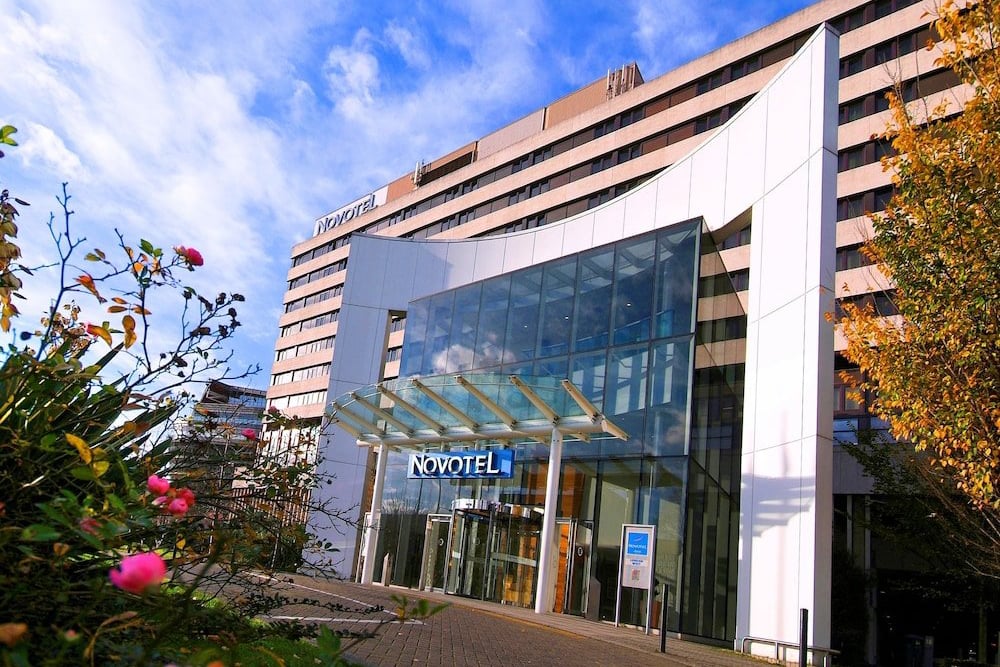
Gaylord Pacific Resort & Convention Center, San Diego, CA
.png?width=685&height=180&name=Biomarkers%20CDx%20Pre%20Med%20US%202026%20Logo%20(Dark).png "Biomarkers CDx Pre Med US 2026 Logo (Dark)")
Programme
Day
Seeing The Signal: Quantitative Imaging Biomarkers As Multimodal Predictors In Radioligand Therapy
Industry Presentation Conference Room 2Quantitative imaging biomarkers provide a non invasive, whole-body readout of tumor burden, target expression, and disease heterogeneity in patients considered for radioligand therapy.
Imaging biomarkers show strong clinical utility for risk stratification, treatment selection, and outcome prediction beyond conventional clinical variables alone.
Combining imaging with clinical and molecular biomarkers enables a multimodal precision-medicine approach that may improve prediction of response, progression, and survival in radioligand therapy.
Translating Biomarkers From Discovery To Clinical Use
Panel Discussion Conference Room 2• Using biomarkers for patient selection
• Choosing and validating biomarker endpoints
• Lessons learnt in oncology for other therapeutics
Integrating Proteomics and Multi-omics to Advance Ovarian Cancer Biomarkers
Solution Provider Presentation Conference Room 2Bodour Salhia will present research exploring how multiomic approaches can improve the detection and biological understanding of ovarian cancer. The presentation begins with OvaPrint, a methylation-based liquid biopsy approach, and the challenges encountered when translating methylation signatures from tissue to blood-based detection. Building on these findings, the team incorporated SomaSeq Discovery proteomics to investigate whether protein-expression profiles could provide complementary biological insights and improve discrimination between benign and malignant adnexal masses.
Beyond Quantification: Accessing The Forgotten Layer Of Biomarker Biology Via Aqueous Two-Phase Systems
Industry Presentation Conference Room 1Structure Beats Volume: Shifting focus from protein concentration to structural conformation captures critical post-translational modifications missed by genomics and standard immunoassays.
Proven Performance: Cleveland Diagnostics’ FDA-approved, $30M+ IsoPSA® platform utilizes ATPS to detect cancer-specific protein alterations, reducing unnecessary biopsies by 55%.
Future Precision: This framework scales beyond cancer detection into patient stratification, therapy monitoring, and biopharma companion diagnostics.
Mapping Killer And Bystander Cell Dynamics To Optimize Cell Therapy
Solution Provider Presentation Conference Room 1Adoptive cell therapy success depends on durable, potent immune cells, yet products contain both active effectors and inactive bystanders. This presentation explores a high-throughput multi-omic strategy to identify, map, and optimize these cell populations.
When Biomarker Assays Disagree
Solution Provider Presentation Conference Room 1A single biomarker sample can score differently on two validated platforms, skewing enrollment cutoffs and misleading AI models. This session traces the hidden root cause and offers a playbook for reliable, explainable assay data.
CDx Development & Clinical Utility
Industry Presentation Conference Room 1Minimal Residual Disease (MRD) In Bladder Cancer
Industry Presentation Conference Room 1• Progress and future promise of MRD in bladder cancer
• Challenges and opportunities for implementation in clinical practice
• Future directions for MRD, including urine-based applications
From Biomarker Signal To Clinical Decision: Lessons From Building An Oncology CDx Strategy
Industry Presentation Conference Room 2Precision oncology programs increasingly depend on biomarkers that must move from exploratory signal to clinical decision, often before all uncertainty is resolved. This presentation will use the development of Cyclin E1 IHC as a companion diagnostic strategy for azenosertib as a case study in translational decision-making. The talk will discuss how biology, assay development, clinical data integration, molecular response, real-world context, and regulatory requirements can be organized into a practical decision system. It will also highlight where AI and translational data science can meaningfully accelerate biomarker development, and where governance, clinical interpretability, and assay robustness remain essential
Harnessing Spatial Transcriptomics To Advance Precision Medicine
Industry Presentation Conference Room 2o Decipher disease biology through single-cell spatial transcriptomics to reveal tissue architecture, cellular interactions, and disease mechanisms.
o Identify clinically actionable biomarkers by integrating spatial transcriptomics with histopathology, protein expression, and clinical data.
o Enable precision medicine through biomarkers for patient stratification, pharmacodynamic assessment, mechanism of action, and therapeutic response.
Discovery to the Clinic: The Journey from LCMS Proteomics Biomarker Discovery to a Clinical Test for Early Lung Cancer Detection
Solution Provider Presentation Conference Room 1A multi-omics discovery study (MOSAIC) identified protein biomarkers for early lung cancer detection, translated across 3 cohorts into a validated, protein-based LDT with strong Stage I sensitivity—now deployed with two health system partners.
Liquid Biopsies: The Evolving Paradigm For Non-Invasive Disease Management
Industry Presentation Conference Room 1Shifting the Diagnostic Landscape: Moving from invasive tissue biopsies to simple blood draws, enabling safer and more frequent sampling for patients.
Tracking Cancer in Real-Time: Utilizing ctDNA and circulating tumor cells to monitor treatment response, detect resistance mutations early, and identify minimal residual disease (MRD).
Personalizing Disease Management: Overcoming the limitations of tumor heterogeneity by capturing a comprehensive, dynamic snapshot of a patient's evolving malignancy.
Translational Biomarkers From Preclinical To Clinical Phase Studies
Industry Presentation Conference Room 2Measuring Target Protein Degradation in Peripheral Blood Mononuclear Cells (PBMCs)
Solution Provider Presentation Conference Room 2• Discovery proteomics identified KIF22 peptides that quantify target abundance directly in PBMCs, and degrader-treated cell models confirmed selective loss of signal — establishing a repeatable, minimally invasive measure of degradation
• Blood collection, PBMC isolation, and sample handling variables were characterized to define the conditions under which KIF22 measurement holds, translating into handling requirements that clinical sites can execute reproducibly
• A targeted PRM assay quantifies KIF22 with high sensitivity and reproducible performance across donor matrices, supporting fit-for-purpose validation and pharmacodynamic assessment in early-phase development
Biomarker Strategies For Novel Cancer Drug Modalities: Does One Size Fit All?
Industry Presentation Conference Room 2• Biomarker strategy should be anchored in modality-specific biology and mechanism of action.
• Emerging modalities require integrated biomarker frameworks spanning target biology, pharmacodynamics, resistance, and longitudinal monitoring.
• Successful translation depends on fit-for-purpose assays and incorporation of tumor, microenvironmental, and host-related context.
Advancing Liquid Biopsy Bioanalysis For Precision Cancer Management
Industry Presentation Conference Room 1Extracellular vesicles (EVs) are emerging as a new modality of liquid biopsy for cancer diagnosis and precision medicine
We will discuss development of advanced microfluidic systems, nanomaterials-based biosensors, and biomolecular assays for molecular profiling of tumor-derived EVs;
We will demonstrate applications of these technologies to clinical profiling of circulating EVs for early diagnosis, therapeutic monitoring, and predicting recurrence of solid tumors
Navigating The Evolving Regulatory Landscape For IVDs In Medicinal Clinical Trials: IVDR Challenges And The Path Forward
Industry Presentation Conference Room 1Current IVDR Performance Study Application (PSA) Challenges: An examination of the regulatory hurdles sponsors face under the IVDR when conducting performance studies in the context of medicinal clinical trials.
EU Proposed Rule – Integrating IVD Submissions into the Clinical Trial Regulation (CTR): An overview of the European Commission's proposal to streamline IVD regulatory submissions by aligning them with the CTR framework, and its potential impact on sponsor strategies and timelines.
EU Combined Pilot: Insights from the ongoing EU pilot initiative combining IVDR and CTR review processes, early learnings, and what sponsors can anticipate as this approach matures.
Towards Virtual Patient: AI For Accelerating Medical Discovery
KeynoteToday, medical discovery is extremely slow and expensive, which is clearly not sustainable for the precision health era. I’ll present exciting progress in advancing multimodal generative AI to learn the language of multimodal patient journeys and create a virtual patient world model as digital twin to synthesize population-scale real-world evidence and accelerate medical discovery through AI-powered virtual clinical trials.
Building The Next Generation Of Precision Transplant Medicine
Industry Presentation Conference Room 2Organ transplantation is entering a new era in which precision diagnostics and artificial intelligence are transforming the detection, prediction, and treatment of allograft injury. Traditional approaches rely on serum creatinine and invasive biopsies that often detect injury only after irreversible damage has occurred. Our work has focused on developing an integrated precision medicine platform that combines non-invasive molecular diagnostics, multi-omics, systems biology, and computational drug discovery to enable earlier intervention and individualized therapeutic strategies.
Drug Sensitivity Tests As Universal Personalized Biomarkers
Industry Presentation Conference Room 2Pros and Cons of cellular drug sensitivity biomarkers vs. genomic biomarkers:
- Pros: Cellular biomarkers can be measured for almost all patients and almost all drugs
- Cons: Live cancer cells are much harder to collect, ship, and test than dead cancer cells
Single-Cell MRD Assessment in AML: Advancing Beyond Standard Care
Solution Provider Presentation Conference Room 2Standard measurable residual disease (MRD) assays miss critical insights for relapse detection. See how single-cell multiomics overcomes these limitations to accurately predict relapse and optimize treatment strategies with precise, actionable data.
Precision Medicine, Genomics, Proteomics And Problem Solving
Industry Presentation Conference Room 1Translating LINE-1 Biomarkers Into Clinical Practice For Lung Cancer
Industry Presentation Conference Room 2• The highly invasive procedures typically required to obtain specimens for the clinical evaluation of lung cancers pose significant risks and delays in patient care.
• Long INterspersed Element-1 (LINE-1) mRNA is readily detectable in plasma exosomes across all non-small cell lung cancer stages and correlates with histological subtype, tumor stage, tumor size, lymph node involvement, distant metastasis, and smoking status in both males and females.
• The strong diagnostic and prognostic performance of this liquid biopsy platform underscore its potential to advance the clinical evaluation of patients with lung cancer.
Harnessing Power Of Genomics At Bulk, Single-Cell And Spatial Levels For Biomarker Discovery In Cancer Research
Industry Presentation Conference Room 2The advancements in single cell and spatial omics have revolutionized our understanding of cellular behaviour within complex tissues, offering unprecedented insights into the intricacies of development and complex diseases. Specifically, spatial biology approaches have opened new avenues to elucidate cellular heterogeneity within tumor ecosystem while preserving tissue structure, leading to discoveries with high potentials for clinical applications.
Our research program leverages integrative analyses of bulk and spatially-resolved transcriptome and proteome profiles of solid tumors to identify novel therapeutic targets and biomarkers for personalized medicine in cancer. We develop and use patient-derived organoid and xenograft models for functional validation of our discoveries, and non-invasive screening and monitoring methods to facilitate the translation of our findings into clinical applications. Recent outcomes of our research on renal cell carcinoma, the most common form of kidney cancer, will be presented at the workshop.
The Celsus Approach: State Representations And Interpretable Multi-Omics Models For Predicting Cancer Response To Therapeutic Interventions
Keynote Conference Room 1• Understanding the nature of the oncogenic state and how individual cancer cells respond to different therapeutic interventions, demands a highly sophisticated and comprehensive conceptual and modeling framework that can effectively capture and summarize complex molecular data across a group of cancers at multiple levels.
• We propose a cancer modeling strategy focused on learning state representations at the cellular and tumor population levels to reduce dimensionality and manage the complexity of cancer by encoding relevant information about the system's components and their relationships in a structured and compact manner.
• Celsus' strategy is to first generate high-level multi-omics features (unsupervised) that either summarize overall behavior or represent specific hallmarks of a universe of cancer samples, and then select some of them, as determined by Information-Theoretic metrics, as input to Bayesian Weight of Evidence (WoE) predictive models.
A New Class of Predictive Biomarkers: Advancing Translational Programs with Quantitative Interactomics
Solution Provider Presentation Conference Room 1Precision medicine often relies on protein expression to guide treatment selection. Yet limited response rates highlight the need for biomarkers that better capture the functional biology targeted by therapies. QF-Pro® quantifies protein–protein interactions directly in FFPE patient tissue, enabling the development of predictive biomarkers tailored to therapeutic mechanisms. Published studies in NSCLC show that the quantification of PD-1/PD-L1 engagement outperforms PD-L1 expression profiles, thus better stratifying responders to ICI therapies. Combined assessment with CTLA-4/CD80 further improved stratification, whilst exploratory melanoma findings identify LAG-3/MHC-II as a novel candidate biomarker. These examples illustrate a broader opportunity: translating protein interactions into quantitative patient scores to support biomarker validation, patient selection and companion diagnostic development across therapeutic targets.
IVDR Regulations And Their Impact
Panel Discussion Conference Room 1• Overview of IVDR Compliance requirements
• Impact on Companion Diagnostics Development
• Challenges and Opportunities for Industry Stakeholders
Precision Strategies Targeting Claudin18.2 In Patients With Gastric Cancer
Industry Presentation Conference Room 2Novel pathology programs have been developed to facilitate implementation of Claudin18.2 testing into clinical practice
Claudin18.2 has become a validated target for the treatment of patients with advanced/metastatic gastric and gastroesophageal cancers
A multidisciplinary approach to testing is necessary for successful incorporation of a novel targeted therapy
From Bench To Bedside: Unifying Biomarker Translation Through A Connected Data Platform And Agentic AI
Industry Presentation Conference Room 1- The biomarker translation bottleneck is a data and handoff problem, not a science problem.
- A unified platform brings biomarker, PK/PD, and multi-omics data science under one governed, reproducible environment.
- Agentic AI closes the discovery-to-decision loop — turning a plain-language question into a governed, reproducible insight in minutes.
Advanced Computing for Biomedical Research and Discovery
Keynote Conference Room 1Therapeutic discovery remains constrained by long timelines, high costs, and limited clinical success. Recent advances in generative and agentic AI are enabling multi-scale representations of human biology and unprecedented in-silico experimentation. This talk will explore biomedical foundation models for multi-omics and other biomedical entities, emerging real-world applications, and future directions toward accelerating target discovery, mechanistic understanding, and development of more effective therapies.
Diagnostic Strategy For Drug Development
Industry Presentation Conference Room 1• Diagnostic strategy and diagnostic operating models in drug development are related but distinct concepts.
• Pharmaceutical companies must own Dx strategy because the optimal strategy for drug development often differs from the optimal strategy for a standalone diagnostics business.
• This presentation proposes a pharmaceutical Dx strategy framework centered on preserving optionality deep into development, fit-for-purpose approaches, and commercialization readiness.
Connecting the Biomarker Journey: Integrating Multi-Omic Discovery, Quantitative Bioanalysis & Clinical Translation
Solution Provider Presentation Conference Room 1Biomarker science has evolved from measuring a handful of analytes to interrogating complex biological systems. The challenge is no longer simply generating more data—it is selecting the right technologies, integrating the data, and translating those findings into actionable decisions.
Building Integrated Precision Diagnostics Of The Future – Uniting Biomarkers, CDx, Spatial Biology & AI
Panel Discussion Conference Room 1• Integrating pathology, spatial and multi-omics data
• AI and foundation models for multi-modal diagnostics
• Bridging discovery, CDx and clinical deployment
Liquid Biopsies In Oncology Drug Development - The Past, Present & Future Outlook
Industry Presentation Conference Room 1Transforming the Landscape: How liquid biopsy has fundamentally altered the oncology drug development paradigm over the past decade.
Paving the Future: Strategies for operationalizing our decade of collective expertise to streamline clinical trials and improve patient outcomes in the coming decade.
Enhancing Collaboration & Harmonization In Liquid Biopsy: A BLOODPAC Perspective
Industry Presentation Conference Room 1• An introduction to BLOODPAC, including our mission, membership, and working groups
• An overview of BLOODPAC’s efforts to advance analytical validation and promote greater consistency across liquid biopsy assays
• A summary of BLOODPAC’s work to harmonize terminology and establish common language across the liquid biopsy field
Sotorasib CDx Journey: Lessons From The CRC sPMA Filing
Industry Presentation Conference Room 1• Sotorasib is a first-in-class small molecule targeting KRAS G12C mutated protein first approved for treatment of 2L+ NSCLC in 2021 followed by 3L+ CRC in 2025
• During the CRC sPMA filing, questions were raised from the FDA on potential selection bias based on the use of local pre-screening prior to central confirmation of the KRASm result for study inclusion
• Amgen successfully addressed these concerns by providing datasets indicating concordance between local and central test and providing other relevant information, resulting in FDA approval
Navigating The Life Science Investment Landscape - Funding Priorities And Partnership Models
Roundtable Discussion Conference Room 1• Building investable med tech & therapeutic companies
• Investor appetite – What is fundable & why
• What investors are looking for – the non-negotiables
• Building partnerships that work
• The role of AI as an enabler
• Success stories and lessons learnt
Blood Biomarkers To Reflect Health State Transitions
Keynote Conference Room 2New very powerful approaches to identifying potential drug targets for each of the three states of human health—wellness, transitions of state, and disease
Accelerating Drug Discovery With Modular Spatial Proteomics and Multi-Omics Workflows On COMET
Industry Presentation Conference Room 2We will present our approach integrating COMET spatial proteomics and multiomics assays in our transformational drug discovery workflows at Genentech, highlighting some recent real datasets.
From Bench to Bedside: Application of Clinically Useful Biomarkers for the Detection and Management of Bladder Cancer
Solution Provider Presentation Conference Room 2Charles Rosser traces the phased development of a 10-protein urine multiplex immunoassay for bladder cancer, from biomarker discovery to clinical validation and real-world utility, and how it can reduce reliance on invasive cystoscopy.
Regional Pathways, Global Evidence: Advancing NGS-Based CDx Development
Industry Presentation Conference Room 1-Global NGS product portfolio supporting biomarker testing across multiregional clinical trials.
-Explore regional CDx development approaches informed by experience across China, Japan, and Europe.
-Integrated capabilities supporting consistent evidence generation across regions and global CDx development.
Accelerating Biomarker Assay Development with SPEAR Technology
Solution Provider Presentation Conference Room 1Learn how SPEAR, a homogeneous, wash-free immunoassay technology, combines attomolar sensitivity, precision, and minimal sample requirements to enable earlier testing in clinical samples, better assay-development decisions, and faster development.
AI-Augmented Drug Discovery and Companion Diagnostics: Integrating Biology, Computation, and Clinical Translation
Industry Presentation Conference Room 1Authors: Dee Wu, Ian Wu, Josh Garton , Caroline Preskitt
Artificial/Augmented intelligence (AI) is reshaping how new therapies and companion diagnostics are discovered and developed. By accelerating knowledge of discovery, target identification, molecular design, and computational analysis, AI is reducing the time, cost, and resources required during the earliest stages of innovation. Activities that once required large teams can increasingly be performed by smaller, highly capable groups supported by AI-driven tools. Pipeline technology alone is not enough. Success still depends on selecting the right clinical problems, identifying the right patients, developing meaningful biomarkers, navigating regulatory requirements, and validating solutions in real-world healthcare settings.
This presentation examines where AI is creating the greatest impact across the innovation pipeline and where human expertise remains indispensable. Using a framework centered on five questions- Why (disease need), Where (target selection), What (therapeutic design), Which (AI-guided decision-making), and How (validation and translation) we explore how organizations can leverage AI to accelerate discovery while maintaining a strong focus on patient outcomes. A key message is that as AI automates many technical and computational tasks, competitive advantage increasingly shifts toward translational insight: understanding diseases, identifying clinically meaningful opportunities, developing biomarker and companion diagnostic strategies.
The translational component is uniquely valuable because it resides within the clinical environment, where real-world patient care, treatment decisions, and unmet needs can be directly observed, providing insights that are often difficult for industry and basic science organizations to access. As a result, clinicians, physician-scientists, and translational researchers play a critical role in ensuring that innovation remains both scientifically rigorous and clinically relevant. At the same time, advances in AI are lowering barriers to early-stage discovery, enabling smaller, highly skilled teams to generate insights that once required substantially larger organizations. By combining clinical expertise, scientific knowledge, computational methods, and laboratory validation, these agile teams can rapidly identify high-value opportunities, evaluate risks, and guide development strategies before significant investments are made. As discovery becomes increasingly democratized, competitive advantage lies in the ability to bridge science and medicine, translating real-world clinical observations into actionable therapeutic and companion diagnostic strategies that accelerate innovation, reduce costs, and help industry partners efficiently advance the most promising opportunities toward meaningful patient benefit.
Liquid Biopsy Case Study
Industry Presentation Conference Room 2Beyond The Microscope: Leveraging Digital Pathology And Artificial Intelligence To Transform Research And Clinical Trials
Solution Provider Presentation Conference Room 2 - Highlight CellCarta Digital Pathology and AI Consortium
- Touch on the SPARTA Framework
- Provide an example out of Lake Forest of a interesting project that leveraged AI driven data sets
RNA Liquid Biopsy: Biological Intelligence for Precision Oncology
Industry Presentation Conference Room 2- RNA liquid biopsy captures dynamic tumor and host biology beyond genomic alterations
- Cell-free RNA expands the biomarker landscape for translational and clinical decision-making
- RNA adds a functional biological layer to next-generation liquid biopsy strategies
Spatial Transcriptomic Analysis In Fibrosis
Industry Presentation Conference Room 3-Spatial characterization of fibrotic lung tissue
-Identification of disease-associated cell states, niches, and multicellular interactions
-Validation of therapeutic target expression, specificity, and spatial localization
-Discovery and prioritization of novel targets linked to fibrosis progression and pathogenic tissue remodeling
From Data Deluge To Decision: Are Spatial And Multimodal Biomarker Signatures Ready For Routine Use
Panel Discussion Conference Room 3• Translating spatial and multimodal data into clinically actionable biomarker signatures
• Readiness for routine use: validation standards and clinical integration
Elucidate Biotechnologies Presentation
Solution Provider Presentation Conference Room 3From Tissue Context to Translational Confidence: The Impact of Spatial-Omics Across the Drug Discovery Pipeline
Industry Presentation Conference Room 3Spatial niches are the superpower of spatial-omics — resolving molecularly-defined tissue context in which disease biology is occurring. Leveraging spatial niches impacts the drug discovery pipeline from early target discovery and disease linkage, to in vitro target validation, to late-stage disease-cluster expansion, grounding pipeline decisions in human tissue context.
HisToSpatialCNV: An Interpretable Deep Learning Method Predicting Spatial Copy Number Variations From Histopathology Images
Industry Presentation Conference Room 3We introduce HisToSpatialCNV, a multi-scale deep learning framework that integrates histopathological features from H&E-stained images to infer spatial CNV patterns.
HisToSpatialCNV outperformed existing methods in a variety of cancer datasets for spatial gene expression inference and showed strong concordance between predicted CNVs and gene expression.
By connecting histopathology to spatial genomics, HisToSpatialCNV offers a powerful, cost-effective tool for studying intratumor heterogeneity using only routine pathology images.
Beyond the Tissue Section: Volumetric Spatial Biology for Biomarker & Drug Discovery
Solution Provider Presentation Conference Room 4TBD
Getting The Whole Story: The Power of Multiomic Context
Solution Provider Presentation Conference Room 3Discover how the G4X™ platform and Singular Genomics Spatial Services combine fH&E, transcript, protein, and spatial genomic analyses to uncover tissue biology with unprecedented context, sensitivity, and multiomic insight.
Addressing The Future Needs Of Spatial Multi-Omics
Panel Discussion Conference Room 4• Moving towards the practical implementation of spatial findings
• How to translate into precision medicine
High-Plex Spatial Proteomics For Clinical Trials: From Analytical Validation To Actionable Biomarker Insights
Solution Provider Presentation Conference Room 3Precision therapeutics depend on understanding the tumor microenvironment to assess drug target expression and immune response. Multiplex immunofluorescence enables comprehensive biomarker profiling from limited clinical biopsy tissue. This presentation introduces the Orion™ spatial proteomics platform, which simultaneously measures up to 18 protein biomarkers in a single staining and imaging round, preserving tissue integrity and generating quantitative, reproducible biomarker data. Analytical validation of a tumor–immune assay demonstrates its precision, reproducibility, and sensitivity, followed by a clinical trial case study showcasing spatial patterns of immune infiltration, cellular organization, and biomarker co-expression to inform biomarker development and patient stratification.
Multiomics Integration: Methods And Caveats
Industry Presentation Conference Room 3Integrating genomics, transcriptomics, and proteomics promises a fuller picture of biology—but that’s where the hard part starts.
This talk surveys the major integration approaches (fusion methods, matrix factorization, deep learning) and the pitfalls that trip people up: batch effects, mismatched scales, missing modalities, and patterns that look real but aren’t.
You’ll leave knowing what multiomics integration can deliver, where it breaks down, and how to tell the difference.
Toward Better Biomarkers And Patient Stratification: Whole-Transcriptome Spatial Biology At Single-Cell Resolution
Solution Provider Presentation Conference Room 4Bring whole transcriptome breadth, resolution, sensitivity and scale into a single experiment. Measure in fixed samples with throughput sufficient for cohort-scale studies, and data of a depth and structure suited to the multimodal, AI-driven workflows now shaping precision medicine.
From Photons to Phenotypes: Hamamatsu in Spatial Biology
Solution Provider Presentation Conference Room 3Hamamatsu Photonics is a world-leading Japanese manufacturer of optical sensors, light sources, and imaging devices used in scientific, medical, and industrial marketplaces. Come learn about Hamamatsu's deep foundations in life science imaging and how our unique capabilities are transforming multispectral imaging and streamlining spatial biology for research and clinical applications.
Advancing Precision Medicine Through Pre-Existing Clinically Actionable Biomarkers Using Multi-Omic And Spatial Data
Industry Presentation Conference Room 3• This talk will demonstrate how quantitative assessment of established clinically actionable biomarkers can improve patient stratification beyond conventional binary classification.
• Show how integrating digital pathology, transcriptomic, and genomic data can be used to identify biologically distinct patient subgroups and uncover prognostic signatures that may not be apparent using single-modality biomarker assessment alone.
• Use spatial transcriptomic technologies to resolve the tumour microenvironment and validate biomarker-associated gene signatures, to provide new insight into tumour-immune interactions and support the future refinement of precision medicine strategies.
The Biomarker Patent Journey From Discovery To Protection
Roundtable Discussion Conference Room 3This roundtable takes a practical, data-driven approach to what evidence supports patentable biomarker claims in the U.S. Many applications fail under §101 post-Mayo and Ariosa for lacking actionable use. We will discuss how tying biomarkers to patient stratification, dosing, and therapeutic selection—and generating the right supporting data—can enable patent-eligible biomarker claims.
Exploring The Potential Of AI & Image Analysis In Spatial Biology Research
Panel Discussion Conference Room 4• AI-powered biological insights – from image to usable data
• Image analysis workflows
• Preclinical to clinical development
• Challenges to implementation
• Using AI to address challenges – validation & quality of data, normalisation of dataset from platform technology
To Be Announced
Industry Presentation Conference Room 3Completing The Biomarker Journey: From Spatial Discovery To Clinical Translation
Solution Provider Presentation Conference Room 3Despite advances in spatial biology, many promising biomarker discoveries never reach clinical application. Using examples from oncology and immunotherapy, we will demonstrate how ultrahigh-plex spatial proteomics uncovered predictive cellular neighborhoods, revealed tumor ecosystems associated with treatment response, and enabled the development of streamlined spatial biomarker signatures. Learn how these discoveries can be connected to ultrasensitive blood-based biomarkers to support translational research, clinical development, and precision medicine.
AI-Powered Precision Medicine
Panel Discussion Conference Room 3• AI transforming precision medicine from data to biological insight
• Accelerating drug discovery & clinical development with AI
• Where can clinical impact be delivered?
• What does the next decade of AI in precision medicine hold?
Enabling Precision Medicine Through Combining Spatial Biology with ADCs and Bispecifics
Industry Presentation Conference Room 4ADC and bispecific selection still relies on a single-antigen categorical IHC call
Three tissue properties have each been associated with ADC outcome in patients: antigen quantity, its spatial localization, and the surrounding microenvironment. None has yet been prospectively tested
Spatial inference from routine H&E at population scale, linked to treatment outcomes, will make this possible at scale
Are We Talking About AI More Than Using It?
Roundtable Discussion Conference Room 3Start Up Zone Presentations x5
Industry Presentation Conference Room 4The Start-Up Zone at Biomarkers, CDx & Precision Medicine US gives early-stage companies a platform inside one of North America's most significant drug discovery and formulation gatherings, not a side room, not a satellite event. A ten-minute pitch on the main Start-Up Stage, an exhibition space in the heart of the event, and two days alongside over 600 senior scientists, R&D leaders, business developers and investors from pharma and biotech.
If you are building something that belongs in this field, this is where you introduce it.
AI In Multi-Omics Case Study
Industry Presentation Conference Room 3Spatial Biology Image Analysis Dealing With Overlapping Cells As Spatial Spillover Of Protein Markers
Industry Presentation Conference Room 4-Microscopy projects light from 3D tissue sections into a 2D images. 3D cells become overlapping 2D objects. Segmentation that explicitly allows these overlaps preserves the morphology of the cells (overlap removal distorts morphology).
-This results in morphology and texture measures more accurately predicting patient outcomes in a large 600 core lung cohort study. Resulted in detection of biologically relevant sex-based differences in lung tissue (molecularly verified).
-Knowing which parts of nuclei and cells overlap enables more accurate correction for cell marker spillover, improving recognition of nuclei, cell types and spatial neighbourhoods in highly multiplexed data sets.
Quantum Information Approaches To Understanding And Interpreting Multi-Modal, Multi-Scale Biology
Industry Presentation Conference Room 3Biological systems operate through interacting networks of molecular programs, cellular states, and spatially organized processes that are increasingly measurable through single-cell, spatial, imaging, and multi-omic technologies.
In this talk, I will introduce ideas from quantum information processing that may provide useful new perspectives on these challenges. Rather than focusing narrowly on specific algorithms, the presentation will explore how concepts such as state representations, interaction operators, and Hamiltonian models can be used to think about network inference, multimodal coupling, and spatial organization in biology.
From Diseased Tissue Profiling To Target Discovery For Cardiovascular Disease
Industry Presentation Conference Room 4Transcriptomic analysis and single-cell sequencing experiences for cardiac tissue samples
Heart failure (HF) disease tissue profiling to reveal disease biology hypotheses
HF Variant-to-Enhancer-to-Gene (V2E2G) validation by using single-cell perturbation sequencing
Building Reproducible Multi-Omics Pipelines For Translational Biomarker Analysis In Clinical Trials
Industry Presentation Conference Room 4Fireside Chat with Google Health: AI Reshaping the Future of Precision Medicine
Fireside Chat Conference Room 3• How multimodal foundation models and representation learning are unifying fragmented data—from multi-omics and imaging to continuous wearable telemetry—to uncover novel biological insights
• Strategies for translating AI breakthroughs from research into safe, equitable, and trusted real-world tools across model validation, clinical workflow integration, and health systems alignment
• The next decade of precision health, from agentic scientific discovery to continuous, hyper-individualized preventative care
Decoding p53’s Role In Therapy Response & Resistance Across Multiple Cancers
Industry Presentation Conference Room 4• Spatial Biology Reveals new targetable pathways for p53 mutant cancers
• Technologies – GEMMs/Preclinical Models, GLASS-AI, MALDI, Alpenglow
- Mutant p53/TAp73 inhibit anti-tumor immunity
- Mutant p53/TAp73 regulate tumor progression signature revealed by GLASS-AI
Spatial Transcriptomics for Neuro Mouse Models
Industry Presentation Conference Room 3Multi-Modal Bioinformatics & AI Driven Biomarker Insights
Industry Presentation Conference Room 3Combining RNA, protein, imaging, spatial, and clinical data provides a more complete view of cell states, tissue context, mechanisms of response/resistance, and patient biology.
Machine learning, spatial analytics, and emerging foundation models can improve biomarker discovery, patient stratification, mechanistic understanding, and prediction of safety and efficacy outcomes.
Integrating longitudinal, cross-trial multimodal data into a FAIR, reusable ecosystem creates the foundation for predictive analytics, generative AI, and increasingly agentic approaches across the drug-development lifecycle.
Spatial Multi-Omic Analysis For The Identification Of Novel Biomarkers And Therapeutic Targets In EGFR-Mutant NSCLC
Industry Presentation Conference Room 4• Advances in spatial multi-omics including proteomics and transcriptomics allow for the analysis of an unprecedented number of single-cell spatial features.
• The spatial integration of proteomics and transcriptomics allows for the identification of novel biomarkers with direct therapeutic potential.
• This presentation will demonstrate the utilization of highly multiplex spatial transcriptomics and proteomics for the identification of novel therapeutic biomarkers in EGFR-mutant NSCLC.
Start Up Presentation: Synthia Labs
Industry Presentation Conference Room 4Start Up Zone Presentation: Strand AI
Industry Presentation Conference Room 4Precision Therapeutics for Kidney Disease: Guided by Spatial Metabolomics
Industry Presentation Conference Room 4Pathologic features are a key criteria of kidney disease and spatial metabolomics is an ideal platform to identify key markers leading to new diagnostics and therapeutic targets.
Start Up Zone Presentation: STEP: Custom Ultrasensitive Assays Built to Easily Scale
Industry Presentation Conference Room 4Start Up Zone Presentation: The Data Supply Chain Problem: Solved Where Linkage Happens
Solution Provider Presentation Conference Room 4Start Up Zone Presentation: AI-Powered Spatial Biology
Industry Presentation Conference Room 4Gestalt Presentation: Spatial Instruction Of Cancer Immunity
Industry Presentation Conference Room 4Gestalt Presentation: : Single Cell & Spatial Drivers of Kidney Disease
Industry Presentation Conference Room 3Foundation Models In Drug Development: Where Are We Now And Where Are We Going?
Industry Presentation Conference Room 5Discuss image-based foundation models in the context of unimodal and multimodal pathology use cases
Discuss how foundation models might be deployed within agentic frameworks to support drug development
Scaling Expert Pathology: Global Networks Meet Bespoke AI for Pharma Partners
Solution Provider Presentation Conference Room 5Access to expert pathology at scale is a growing bottleneck for pharma sponsors. This talk explores how a global pathologist network combined with bespoke AI helps sponsors move faster, without compromising quality or oversight.
Computational Tissue Phenotyping From Unstained FFPE Tissue
Industry Presentation Conference Room 5• Intrinsic autofluorescence contains rich biological information.
• Virtual histology and multiplex biomarkers can be generated from unstained tissue.
• Virtual and physical measurements show strong agreement.
Building the Future of Pathology AI
Solution Provider Presentation Conference Room 5Computational pathology is moving beyond traditional image analysis toward AI systems that understand tissue context at a deeper, more clinically meaningful level. This talk explores how next-generation foundation models, enriched with semantic understanding, are opening new possibilities for biomarker discovery, companion diagnostic development, and clinical trial support. Drawing on real-world applications across precision medicine, the session will discuss how these approaches can accelerate translational research while maintaining the rigor needed for regulated environments. Attendees will come away with a clearer picture of where AI-driven pathology is heading and what it means for pharma and CDx partners.
Developing AI/ML-Enabled Computational Pathology-Based Biomarker, A Regulatory Journey
Industry Presentation Conference Room 6The presentation traces the regulatory journey from IHC CDx and pathologist-aid devices to whole slide imaging and computational pathology devices, toward the development of an AI/ML computational pathology-based predictive biomarker. It also considers how foundation models, large language models, and generative AI may derive tissue-based biomarker signals through computational pathology and multimodal approaches, raising regulatory challenges for drug and CDx development.
Quantifying A Picture That Is Worth A Thousand Words: Computational Pathology In Preclinical Drug Discovery And Development
Industry Presentation Conference Room 5Discuss the unique challenges in early stage drug development that involves diverse animal models, highly heterogeneous and sparse data, and rapid turnaround times.
Present case studies to illustrate algorithm development and deployment and show real-world evidence of algorithm performance.
Examine implementation issues, scalability, and life-cycle management.
The New Pathology Playbook: Multimodal Computational Approaches To Enable Precision Medicine-Driven Clinical Trials
Industry Presentation Conference Room 8Computational pathology (CP) is transforming tissue-based biomarker discovery and patient selection in drug development. Real-world examples will highlight the synergy of multimodal data integration across histology, artificial intelligence, spatial omics, and data standards and highlight how pathology can generate deeper insights into tumor biology, support scalable precision medicine, and improve clinical trial design and outcomes.
H&E To Biomarker: AI Pre-Screening On A Platform That Scales
Solution Provider Presentation Conference Room 5Biomarker and CDx teams often need to build or license a new image analysis model for each study, then validate it before it can be used. As pharma runs more programs in parallel, that pattern often becomes a bottleneck, slowing the path from image to insight. This session will explore how foundation models and digital whole slide images are enabling a new generation of AI-based predictive pathology that can pre-screen patients for actionable biomarkers directly from the H&E slide. Using the collaboration between Imagenomix and Proscia as a practical example, the speakers will discuss how foundation model-powered embeddings, together with continuous AI development and orchestration in Concentriq LS, can accelerate the development and refinement of predictive biomarker models, while seamless deployment into Concentriq AP enables those innovations to reach real-world pathology workflows. Attendees will learn how image-based pre-screening changes the economics of biomarker-driven programs — enriching trial populations before molecular testing, reducing sequencing spend, and identifying eligible patients faster.
Regulatory Expectations For AI-Derived Biomarkers, Computational Pathology & CDx Development
Panel Discussion Conference Room 6The panel of current FDA regulators and drug and diagnostic regulatory leaders explores a future in which foundation models, large language models, and generative AI are integrated into computational pathology-based and multimodal approaches. The session will focus on regulatory expectations for establishing analytical and clinical validity of AI-derived predictive biomarkers, and on challenges and approaches for pharma–diagnostic co-development and innovative trial design.
From Pixels to Insights: Advancing Drug Development with Digital Pathology and AI at Johnson & Johnson
Industry Presentation Conference Room 5Use Case #1: Biomarker detection from H&E-stained whole slide images in Bladder Cancer
Use Case #2: Comprehensive featurization of the Tumor Microenvironment from H&E-stained whole slide images
Use Case #3: Automated expression quantification and characterization of IHC-stained tissue samples
Beyond TROP2 NMR – The Future Of Computational Pathology Diagnostics
Industry Presentation Conference Room 5Quantitative Continuous Scoring (QCS) is being leveraged to develop the first computational pathology-based CDx: TROP2 Normalized Membrane Ratio (NMR). However, QCS delivers other human interpretable features beyond Normalized Membrane Ratio (NMR) for IHC biomarker Dx development. We will discuss the future of QCS and AI computational pathology in diagnostic development and deployment.
Multi-Modal Biomarkers For Precision Oncology: Integrating Molecular And Imaging Data To Understand Therapeutic Mechanisms
Industry Presentation Conference Room 5Biomarkers measured in tissue and blood have long supported patient selection and treatment decisions in oncology. Advances in assay digitization, throughput, and AI enable deeper characterization of patient and tumor biology. Integrating diverse biomarker data can provide a more complete view of disease biology and support increasingly precise, targeted treatment strategies.
Pathologist vs. The Machine – Integrating AI And The Human Expert Into The Translational Pathology Lab In Drug Development
Industry Presentation Conference Room 5•Where expert humans (pathologists & technicians) and AI fit into the overall workflow & how they best work together.
•Case studies from Translational Research through First in Human – how AI works with human experts & novel tissue assays to confirm target biology & validation, determine patient populations, screen and select therapeutic candidates, and improve FIH exploratory assays .
•The promise of H&E predictive assays and how they can help expand the scope of translational pathology for drug development.
Deploying Computational Pathology Across The Pharma Pipeline
Panel Discussion Conference Room 5• From discovery to preclinical and clinical
• Embedding DP/CP in standard workflows
• Internal build vs external partnerships
• Future of AI-driven pathology
From Spatial Maps To Actionable Biomarkers: Direct Cell Isolation With SLACS
Solution Provider Presentation Conference Room 6Spatial biology has transformed our understanding of tissue architecture, yet identifying biologically important cells is only the first step. Functional biomarker discovery requires direct molecular characterization of those precise cells. This presentation introduces Spatially Resolved Laser Activated Cell Sorting (SLACS), a technology that enables rapid, image-guided isolation of individual cells or cellular regions from intact tissues while preserving their spatial context for downstream genomics, transcriptomics, proteomics, and multi-omics analyses. Through applications in cancer, immunology, and precision medicine, SLACS bridges the gap between spatial observation and molecular validation, enabling researchers to discover clinically relevant biomarkers that conventional dissociative or imaging-only approaches cannot readily access. The presentation will highlight how spatially targeted cell isolation provides a practical pathway from tissue morphology to actionable biological insights.
Computational Pathology Diagnostic Solution Hackathon: Judges Deliberation & Winners Announcement
Industry Presentation Conference Room 6Overcoming Challenges In Deploying Foundation Models, LLMs And Agentic AI For Real World Pathology Workflows
Panel Discussion Conference Room 5Integrating image, text and workflow models
Validation, governance and clinical trust
Workflow orchestration and human oversight
Designing sustainable AI strategies for the next 5–10 years
Computational Pathology Diagnostic Solution Hackathon: Meet Your Team & Discussion Kick Off
Industry Presentation Conference Room 6The Computational Pathology Diagnostic Solution Hackathon will bring together clinicians, pathologists, AI experts, pharma biomarker teams, diagnostics partners, and regulatory stakeholders to develop practical computational pathology diagnostic solutions for real-world biomarker and clinical decision-making challenges.
The session will focus on five key questions:
1. What unmet patient or diagnostic need are we solving?
2. Is the right data available to build the model?
3. How could the model support biomarker or diagnostic development?
4. What regulatory, workflow, and deployment factors must be considered?
5. Clinical Validity
Structure
• Welcome & Objective by Hackathon Chair (10 mins)
• Team Sprint Challenge Session (50 mins)
• Final team presentations (4 x 10 mins – 40 mins)
• Judging & Feedback (10 mins)
• Next steps – Post event report created by Oxford Global and follow-up opportunities identified
The New Pathology Playbook: Multimodal Computational Approaches To Enable Precision Medicine-Driven Clinical Trials
Industry Presentation Conference Room 6Computational pathology (CP) is transforming tissue-based biomarker discovery and patient selection in drug development. Real-world examples will highlight the synergy of multimodal data integration across histology, artificial intelligence, spatial omics, and data standards and highlight how pathology can generate deeper insights into tumor biology, support scalable precision medicine, and improve clinical trial design and outcomes.
Building Reliable AI For Biomarker Discovery: Training Sets, Trust And Molecular Research Applications
Industry Presentation Conference Room 6AI-Assisted Pathology Workflows: From Model Performance To Pathologist Adoption
Industry PresentationEvaluation Of Quantitative Podocyte Effacement Measurement In Pre-Clinical CKD Models
Industry Presentation Conference Room 5Glomerulosclerosis and proteinuria are established endpoints for evaluating preclinical CKD models.
By comparison, quantitative measurements of podocyte effacement provide distinct insight into structural changes in podocyte morphology.
In this study, we assessed the correlation and value of this new technology for evaluating murine glomerulopathy.
AI-Assisted Cancer Diagnosis In The Real World: What Pathologists Actually Need From Clinical AI
Industry PresentationA Measurement System for Nuclear Chromatin Morphology in Digital Pathology
Industry Presentation Conference Room 5Nuclear morphology is important for cancer diagnosis and grading, yet quantitative measurement systems remain lacking. We present an interpretable mathematical framework for representing nuclear morphology in physical units. We demonstrate its ability to quantify structural differences from benign to malignant tumors across liver, thyroid, lung, and skin tissues, enabling quantitative nuclear morphometry.
Bridging Digital Pathology AI And Sequencing Workflows For Precision Medicine
Industry Presentation Conference Room 6Explore how Paige Predict, a biomarker prediction application, helps inform diagnostics testing strategies across modalities
Learn how digital pathology and multimodal AI can be applied to identify novel signatures of efficacy, sensitivity, and resistance
Examine how novel AI applications can be successfully brought to clinical practice
Transform Pathology Practice From Traditional H&E Slide To Direct-To-Digital MUSE (Microscopy Utilizing Ultraviolet Surface Excitation) Technology
Industry Presentation Conference Room 6-Introduce MUSE technology
-Comparing pathological diagnosis for MUSE vs regular HE for breast tissue – preliminary studies
-Comparing MUSE processed tissue vs paraffin embedded tissue for DNA/RNA extraction on prostatic specimen
-Discuss potential applications of MUSE
Opportunities And Challenges In Clinical Translation Of Artificial Intelligence In Computational Pathology
Industry Presentation Conference Room 6AI-Enabled Companion Diagnostics: Evidence & Commercialization
Panel Discussion Conference Room 6• Computational pathology and machine learning to stratify patients for targeted therapies
• Platform agnostic deployment
• Streamlined global commercialization frameworks
From Silos To Alliances – Rethinking Collaboration In Precision Medicine
Panel Discussion Conference Room 5• How pharma, diagnostics, academia, hospitals, vendors and CROs work together
• What makes collaborations succeed or fail
• Strategies to build sustainable, high-impact partnerships
A Multi-Cancer Stratification Test (MCaST) To Tailor Cancer Screening Based On Personalized Risk Profile
Industry Presentation Conference Room 5Computational Pathology Diagnostics Hackathon: Group Presentations
Industry Presentation Conference Room 6Hackathon: Team Discussions & Presentation Prep
Industry Presentation Conference Room 6AI & Data Zone Presentation: Decode Biology, De-Risk Drug Development with Nexomic's Clinically Actionable OMICs Foundational Model, DeepOmic
Solution Provider Presentation Conference Room 5AI & Data Zone Presentation: Beyond the Genome: Redefining Prognostic Biomarkers with an FDA-Cleared Digital Pathology Test
Solution Provider Presentation Conference Room 5
Afternoon Break & Refreshments

End of Event

Lunch Break
Morning Break & Refreshments
Lunch Break
Morning Break & Refreshments
Biomarkers USA - 10-year Celebration
Registration Opens



















































































.jpg?length=600&name=1048e2c3-e8c7-4b49-9c34-abc9914eac2c-2-11764368speaker_photo-Jutta-Eichler-(2).jpg)


















































































.png?length=600&name=1.GenScriptCorporation_Logo_EN_Horizontal_FullColor%20(2).png)

.png?length=600&name=9eaa81ee-5bbe-4b99-86f7-23f16ccb27a8-2-5668375logo-PersonalisCorporateLogo-(2).png)



























































.jpg?length=600&name=74dfee8e-75c7-46e0-9f51-31b709af2ede-2-5668375logo-Nanion_logo_black_RGB_300dpi-(2).jpg)



















.jpg?width=2819&height=1174&name=74dfee8e-75c7-46e0-9f51-31b709af2ede-2-5668375logo-Nanion_logo_black_RGB_300dpi-(2).jpg)