


Breaking Down Silos. Connecting Expertise. Accelerating Patient Impact.
The Multi-Omics Development & Applications program covers how genomic, proteomic and wider multi-omics data is generated and used in drug discovery and development. It is for multi-omics teams, spatial biology experts, translational scientists and technology providers.
Session Themes
Innovations in Spatial Multi-Omics
New spatial technologies and methods for combining molecular data with tissue architecture to reveal cellular interactions and disease mechanisms.
Multi-Omics Applications in Drug Discovery, Translational Development & the Clinic
Using integrated omics data to speed discovery, strengthen translational research, validate biomarkers and support clinical decisions.
Integrated Spatial Biology & Single Cell Analysis
Combining spatial and single-cell methods to map tissue microenvironments, cellular diversity and cell-to-cell interactions.
Featured Sessions
Mapping the Path to Clinical Implementation of Multi-Omics · Achieving Integrated Single Cell & Spatial Analysis Studies · Implementing Alternative Models in Spatial Research (panel)
Multi-omics in San Diego
An expanded program for 2027, Multi-Omics at Precision Medicine West showcases innovation from global tech hubs, including the Bay Area and Silicon Valley, with a focus on AI-driven multi-omics, computational biology, data integration and next-generation biotechnology platforms.
Technology innovators, biotech pioneers and research leaders explore how AI, advanced analytics and molecular science are accelerating discovery.

The questions shaping multi-omics in 2027
Multi-omics has moved past generating more data. Higher-resolution biology, including 3D molecular profiling, is showing disease in new detail, and AI is connecting molecular layers with imaging and clinical data.
The question is no longer whether these approaches reveal more, but whether they can reliably inform clinical decisions. At Precision Medicine West, this program runs alongside Biomarkers & CDx; Computational Pathology, AI & Precision Diagnostics; and AI, Data & Analysis, so omics scientists, data teams and clinical researchers can work through those questions together.
Who should attend
Omics teams
Translational scientists
Bioinformaticians
Spatial biology specialists
Single-cell experts
Clinical genomics teams
Genomic biomarker researchers
Proteomics specialists
Technology providers

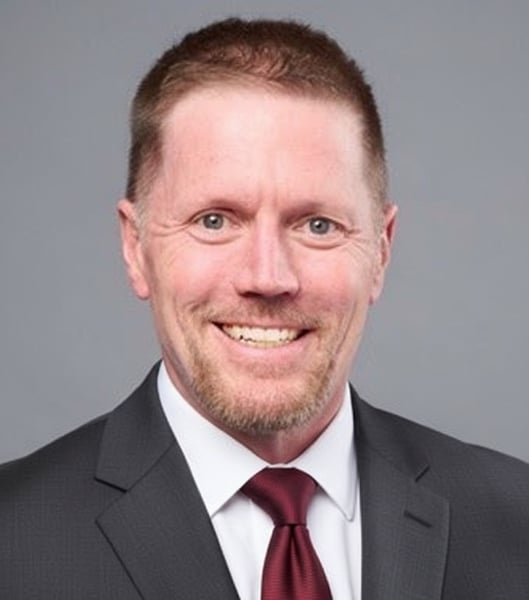
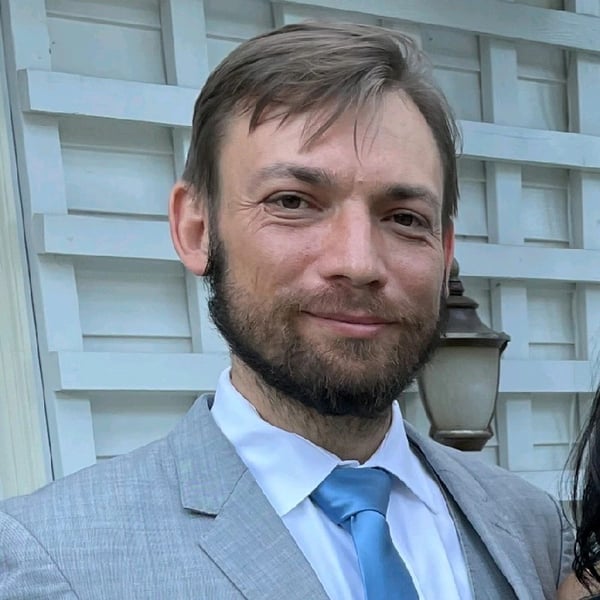
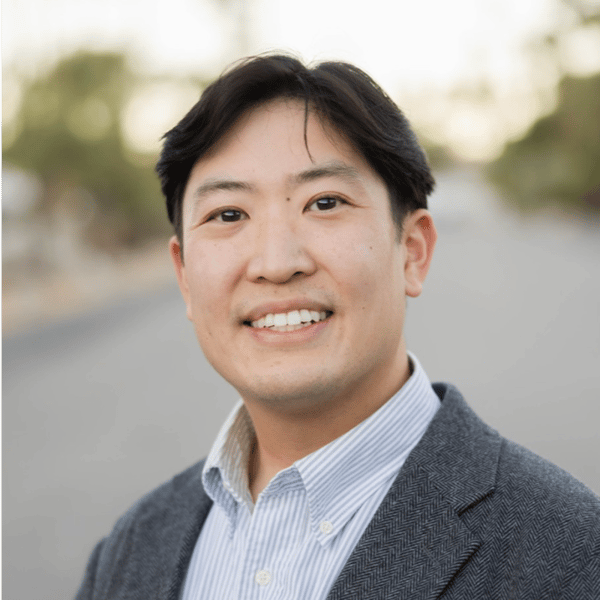
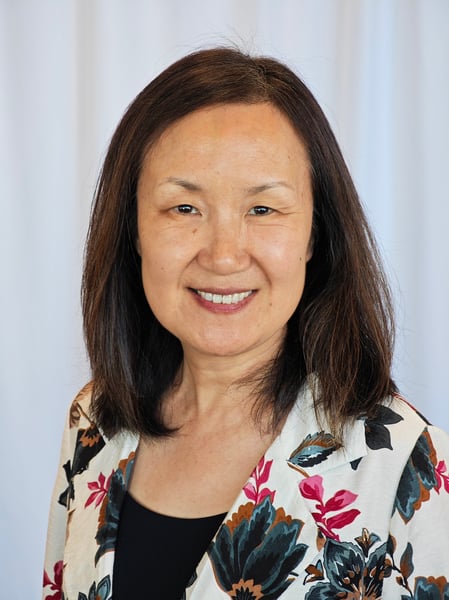
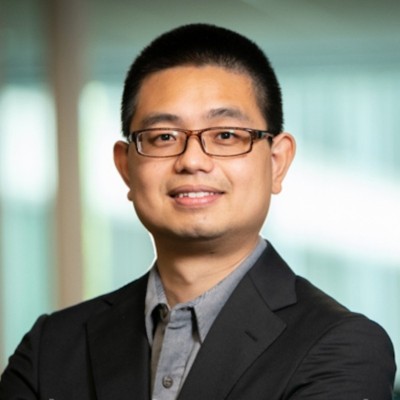
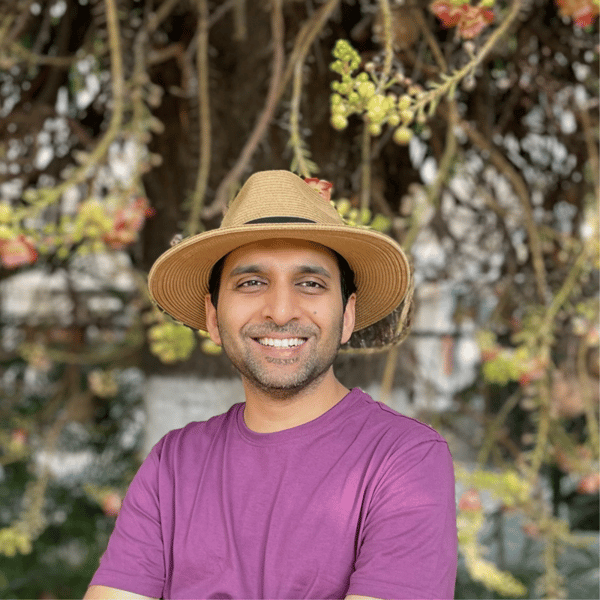
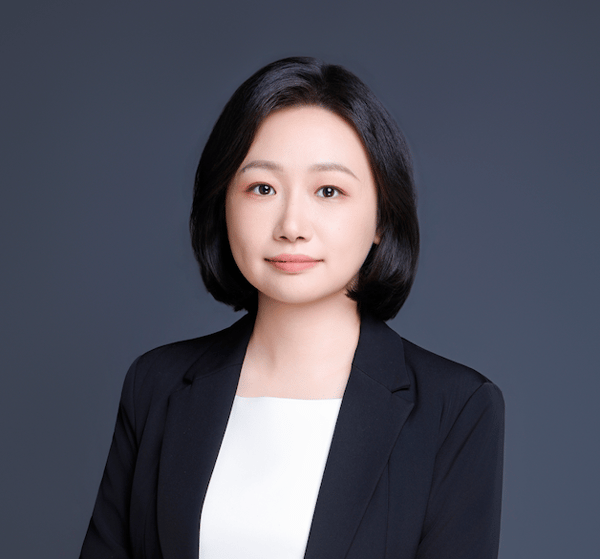
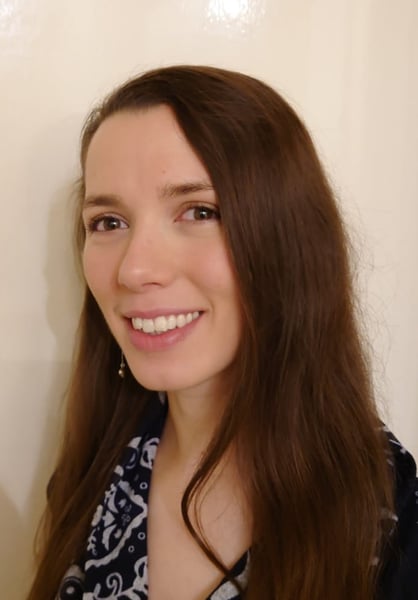
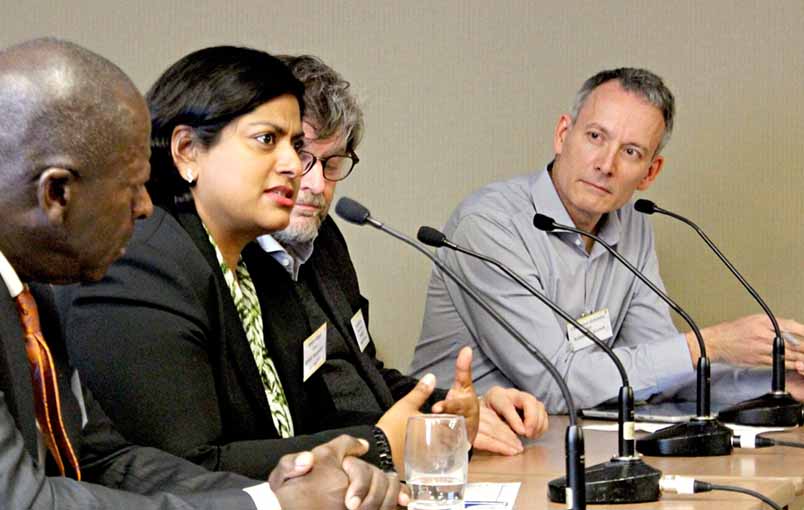
Featured Speakers from Multi-Omics, Spatial & Data US 2026
2027 Program by numbers
17+
Speakers
21+
Sessions
24+
Hours of content
How it connects
Multi-Omics focuses on omics technologies and their applications, and on integrating molecular layers to find new signals and develop them into precision therapeutics. Biomarkers & CDx takes those signals toward validated tests, Computational Pathology adds the tissue view, and AI, Data & Analysis provides the methods to make sense of the data.
Frequently Asked Questions
How do we turn spatial and multi-omics data into clinical decisions?
What are the newest applications of spatial technology?
Where is the value in integrated single-cell and spatial analysis?
How can multi-omics become a core part of pharma R&D?
By moving from one-off studies to scalable, integrated workflows. Sessions cover scaling spatial technologies, tools for spatial samples, integrating platforms, and combining AI with organoid and foundation models, plus how spatial, single-cell and omics data can feed target validation and biomarker development.
When and where is the Multi-omics program at Precision Medicine West?
Be part of the conversations shaping
the future of medicine.
Spatial Multi-Omics 2026 Agenda at a Glance
DAY ONE
Track 2: Emerging Multi-Omics Platforms and Applications: Genomics & Transcriptomics
Track 3: Spatial Biology for Therapeutic Discovery & Development (Oncology & Immunology)
DAY TWO
Track 1: Emerging Multi-Omics Platforms and Applications: Proteomics, Epigenomics & MetabolomicsTrack 2: Spatial Biology for Therapeutic Discovery & Development

.png)