






Precision Medicine West 2027

October 7-8, 2027
Hilton San Diego Bayfront, CA
Hilton San Diego Bayfront, CA
BREAKING DOWN SILOS. CONNECTING EXPERTISE. ACCELERATING PATIENT IMPACT.

Precision Medicine West, formerly Biomarkers, CDx & Precision Medicine US, brings together the scientific disciplines, technologies and decision-makers advancing drug development, clinical research, diagnostics and patient care.
October 7-8, 2027
Hilton San Diego Bayfront, San Diego, CA, USA



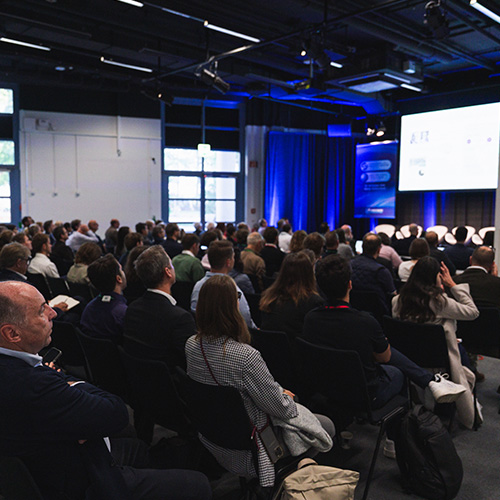


Featured Speakers from Biomarkers, CDx & Precision Medicine US 2026

Ahmed Fadiel
Director, Computational Oncology Unit,
The University of Chicago Comprehensive Cancer Center

Alexander Klimowicz
Principal Scientist,
Boehringer Ingelheim RCV GmbH & Co KG
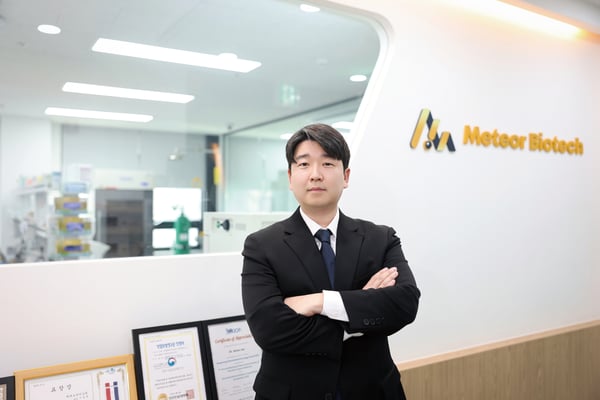
Amos Lee
Chief Executive Officer,
Meteor Biotech

Antreas Hindoyan
Director of Precision Medicine,
Amgen

Arvind Rao
Professor, Computational Medcine and Bioinformatics,
University of Michigan

Bruce Wilcox
Chief Technology Officer,
PrognomiQ

Calum MacAulay
Clinical Associate Professor, Department of Pathology and Laboratory Medicine,
BC Cancer Research Institute

Carlo Bifulco
Chief Medical Officer,
Providence Genomics; Providence Cancer Institute

Carmen Ballesteros-Merino
Senior Principal Scientist,
Bristol Myers Squibb

Catherine Tribouley
Director, Precision Medicine,
Abbvie

Chang-Fu Kuo
Professor, Director of the Center for Artificial Intelligence in Medicine at CGMH & Principal Investigator,
Chang Gung University

Changhong Song
Team Leader, OCEA: Office of Clinical Evidence and Analysis,
FDA

Charles Wang
Director and Professor,
Loma Linda University Center for Genomics

Cheng Cui
Senior Translational Regulatory Affairs Director,
AstraZeneca

Chi-Ming Li
Scientific Associate Director, Discovery Genomics,
Amgen

Clemens Duerrschmid
Senior Manager, Field Applications,
Akoya Biosciences Inc

Clifford Reid
Chief Executive Officer,
Cancer Commons

Coleman Stavish
Chief Technology Officer,
Proscia

Colin McDowell
Senior Manager - Business Development,
Biodesix
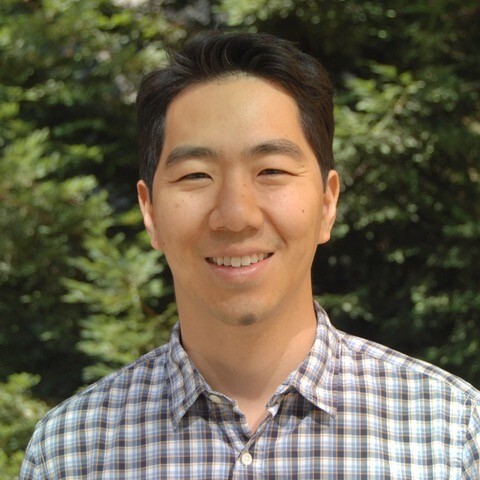
Daniel Kim
Assistant Professor,
University of California, Santa Cruz

David Weingeist
Senior Director,
Johnson & Johnson Innovative Medicine

Dee Wu
Professor,
University of Oklahoma Health Sciences Center

Elsa Flores
Associate Center Director,
Moffitt Cancer Center

Emre Gulturk
COO,
Imagene AI

Erez Podoly
Vice President (R&D),
Cleveland Diagnostics

Eric Peters
Vice President, Translational Medicine Scientific Operations, Diagnostics & Technology Innovation,
Genentech

Evita Sadimin
Associate Professor, Pathology Informatics and Urological Pathology; Division Chief, Pathology Informatics and Data Science,
City of Hope National Medical Center

Fernando Cruz-Guilloty
Director - Precision Medicine & Diagnostics,
Johnson & Johnson

Gary Davis
Business Development Manager,
Hamamatsu

Georgia Cresswell
Research Services Business Development Manager,
Patholytix

Guneet Walia
Senior Director, Data Science & Digital Health,
ex-Johnson & Johnson Innovative Medicine

Gustavo Rohde
Mac Wade Professor of Engineering,
University of Virginia

Hebe Sun
Associate Director, Regulatory Affairs CDx,
Regeneron

Ivan Lebedev
President,
Verdant Center for Spatial Biology

Janell Cleveland
Senior Patent Agent,
MCCIP

Jason Wan
Co-Founder,
Taudia

Javier Perez
Senior Director, Precision Medicine Dx and Digital Pathology (DP/AI) Strategy - Oncology,
Regeneron

Jennifer Giltnane, MD, PhD
Executive Director (Distinguished Scientist) - Translational Pathology & Digital Pathology Strategy,
Merck

Jessica Perer
Associate Director, Translational Pathology,
Amgen

Jianying Hu
IBM Fellow, Director, HCLS Research, Global Science Leader, AI for Healthcare,
IBM

Jianyu Rao
Professor of Pathology and Epidemiology, Vice Chair, Diagnostic Technology Innovation,
University of California, Los Angeles

Jordan Kardos
Head of Computational Biology,
Arda Therapeutics

Joseph Lownik
Hematopathologist & Associate Director, Spatial Molecular Profiling Core,
Cedars-Sinai Medical Center

Julia Ross
Director of Product Management,
ArteraAI

Karen McCullough
Vice President, Oncology Regulatory Strategy,
AstraZeneca

Karthik Ramasubramanian
Venture Associate,
Black Opal Ventures

Katherine Chou
Vice President of Product Development ,
Google Research

Kenneth Ramos
Executive Director,
Texas A&M University

Kirsty Maclean
Global Head, Research & Development,
Cerba Research

Komal Sane
IVD and Digital Health Regulatory Affairs,
Regeneron Pharmaceuticals

Kristopher Standish
Senior Director, Data Science, AI/Computer Vision,
Johnson & Johnson

Kumar Sharma
Director, Center for Precision Medicine,
UTHSCSA

Lana Garmire
Professor and Vice Chair of Research,
University of Alabama at Birmingham

Lauren Leiman
Executive Director,
BLOODPAC

Lauri Diehl
Executive Director Pathobiology,
Gilead Sciences

Lindsay Darling
Director, Clinical Laboratory & Diagnostic Delivery,
Regeneron Pharmaceuticals

Mark Gustavson
Senior Director, Computational Pathology,
AstraZeneca

Merlinda-Loriane Sewavi
CEO,
Syntheia Labs

Miguel Reina-Campos
Assistant Professor,
La Jolla Institute for Immunology

Ming Tang
Director of Bioinformatics,
AstraZeneca

Mini Manchanda
Senior Director, Precision Medicine: Clinical Biomarker and Diagnostics,
Kura Oncology

Minnie Sarwal
Professor,
University of California San Francisco

Nann Green
Vice President Business Developmennt,
Frontage Laboratories

Olivier Harismendy
Vice President,
Zentalis Pharmaceuticals

Pablo Tamayo
Professor, Division of Genomics and Precision Medicine,
UC San Diego

Patrick Reese
Vice President, Operations,
CellCarta

Petar Pop-Damkov
Director, Bioanalytical Strategy Lead, AstraZeneca,
CRUK AstraZeneca Antibody Alliance Laboratory

Prasun Mishra
Chief Executive Officer,
Longevica Therapeutics

Preyas Shah
Director, Computational Biology,
10x Genomics

Rajashree Thakare
Associate Director IVD and Companion Diagnostic,
AbbVie

Razik Yousfi
SVP and GM of AI Products,
Tempus

Reena Philip
Executive Director, Regulatory Liaison, Companion Diagnostics / In Vitro Diagnostics,
Merck

Robert Getzenberg
Head of Gastric Cancer, US MA,
Astellas Pharma

Samir M. Hanash
Professor, Clinical Cancer Prevention,
MD Anderson Cancer Center

Sandro José de Souza
Chief Scientific Officer & Professor of Bioinformatics ,
DNA GTX Group & Federal University of Rio Grande do Norte

Sanjay Jain
Professor of Medicine, Pediatrics, and Pathology & Immunology,
Washington University School of Medicine in St. Louis

Sapna Yadavilli
Executive Director, Oncology Translational Medicine,
GSK

Scott Palmer
Head of Business Development,
Perception Medicine

Shiya Song
Senior Principal Scientist,
Amgen

Soma Ghosh
Division Director, DMGP, Office of In Vitro Diagnostics ,
FDA
Sponsors of Biomarkers, CDx & Precision Medicine US 2026 included

10x Genomics
Gold Sponsor
Disease is heterogeneous and dynamic, with subpopulations of cells that influence whether therapies work or fail. Consequently, building hypotheses, selecting biomarkers, and developing stratification strategies based on incomplete information risks misdirecting programs and costly pivots later in development.
10x Genomics' single cell and spatial technologies close the gap between what’s needed to understand disease and what’s actually measurable. By characterizing transcriptomic, epigenetic, proteomic, and immune patterns, researchers can uncover the cellular and molecular mechanisms that drive disease and treatment response at a scale and resolution not possible on other platforms. The more complete the disease model, the stronger the foundation for clinical advancement.

ABS Bio
Network & Programme Sponsor
ABS Bio provides human biospecimens, cell culture, histology, and specialized laboratory services that accelerate drug discovery, diagnostics development and translational research. Partnering with pharmaceutical, biotechnology, and diagnostic organizations, ABS Bio delivers high-quality specimens, scientific expertise, and customized solutions that help researchers generate reliable data and advance new therapies.

Almac Group
Network & Programme Sponsor
Almac Diagnostic Services
We are a precision medicine company specialising in biomarker driven clinical trials. Our global CLIA and CAP accredited laboratories cover UK, Europe, USA and APAC regions. Our core services include:
Genomic Services - We offer a range of genomics platform and chemistry options, alongside expert data sciences support & a specialty central lab service.
Clinical Biomarker & CDx Development - Custom Clinical Biomarker & CDx development, validation & delivery service from our CLIA & CAP accredited laboratories in USA, Europe and APAC.
Clinical Testing - Global clinical trial testing service from our clinical laboratories, including a menu of platforms & assays and an integrated specimen collection & logistics service.
Find out more at www.almacgroup.com/diagnostics

Barco
Network & Programme Sponsor
Barco’s extensive line of high-precision medical displays delivers exceptional accuracy and efficiency across a wide range of healthcare specialties—including Radiology, Mammography, Digital Pathology, Clinical Review, and Dentistry.
Among the highlights is an ultra-high-definition, medical-grade display designed exclusively for Digital Pathology. With regulatory clearances for use including primary diagnosis, it’s the first display that you can confidently integrate into your workflow with multiple whole slide imaging systems. You will be able to work with superior imaging technology and analyze your histological samples confidently, with unprecedented visual richness.
To ensure consistent performance, Barco’s displays are supported by QAWeb Enterprise, our cloud-based quality assurance platform. It automates calibration, testing, and reporting—maintaining stable image quality throughout the display’s entire lifecycle, so you can focus on what matters most.
By delivering the most complete and accurate visual information, Barco empowers medical professionals to make better-informed decisions—precisely when and where they matter most.
Barco is a global technology leader in networked visualization solutions, serving the entertainment, enterprise, and healthcare markets. Our innovations create visible impact across industries worldwide.

Becton Dickinson
Network & Programme Sponsor
BD is a global leader in specimen collection and preanalytical solutions, helping researchers and clinicians generate reliable, high-quality data through innovative blood collection and sample management technologies. The BD Vacutainer® Cell and Biomarker Preservation portfolio supports closed-system blood collection, processing, and transport, enhancing sample quality with consistency, safety, and convenience. Widely used in clinical and preclinical research, these tubes enable diverse molecular, proteomic, and cellular applications.

Bio-Techne Spatial
Bronze Sponsor
Bio-Techne’s leading spatial biology brands, Advanced Cell Diagnostics and Lunaphore, are transforming the future of research and precision medicine. From low-plex chromogenic to high-plex fluorescent assays, the scalable platforms and fully automated same-section multiomics workflows bring unmatched performance and flexibility to scientists. Powered by the gold-standard RNAscope™ technology and Lunaphore’s flagship end-to-end fully-automated COMET™ product suite, Bio-Techne equip researchers with the right tools to drive breakthroughs and accelerate the journey from discovery to clinic. (595 spaces)

Biodesix
Silver Sponsor
Biodesix is a leading diagnostics solutions company specializing in assay development, validation, and clinical sample testing. We have a proven track record supporting biopharma research across diverse sample types and target molecules, with extensive expertise in characterizing circulating tumor DNA (ctDNA) and other genomic biomarkers. In addition to our industry-leading ddPCR™ and NGS testing platforms, Biodesix offers robust proteomic capabilities, including targeted and untargeted mass spectrometry and immunoassay-based approaches. These complementary genomic and proteomic services enable a multi-omic strategy for biomarker discovery, validation, and clinical trial support, helping our partners accelerate therapeutic development and improve patient outcomes.

BioIVT
Network & Programme Sponsor
Join BioIVT at the Biomarkers, CDx & Precision Medicine US 2026, taking place September 23-24, 2026, at the Gaylord Pacific Resort & Convention Center in San Diego, CA. BioIVT offers a comprehensive range of biospecimen products and research services to support drug metabolism, pharmacokinetics, toxicology, and precision medicine programs. Stop by Booth #8 to learn how our solutions can help advance your research. Schedule a meeting with our team in advance through our Meeting Request form. We look forward to connecting with you in San Diego!

BioLizard
Network & Programme Sponsor
BioLizard is a leading multi-national data analytics and data management consulting company supporting digital transformation in the life sciences industry by offering bespoke, tailored solutions. From data analytics and bioinformatics, to software development and AI, we support biopharma and biotech companies in accessing vital, data-driven insights that can be turned into actions and drive your life sciences research forward.
Our team of experienced bioengineers, software engineers and computer science experts combines extensive data science expertise with deep biological knowledge to provide solutions that are tailored to your needs and in line with your unique strategic goals. We have a proven ability to support companies from discovery to pre- & early clinical phases, enabling data-driven R&D. Our expertise spans drug and biomarker discovery and development, in-silico screening, target identification, development of companion diagnostics, mechanism-of-action studies, process automation, data strategy, and more.
No matter where you are, we’re ready to help you leverage data to keep your competitive edge. Reach out to BioLizard today to get the most out of your data.


Burning Rock Dx LLC
Silver Sponsor
Burning Rock Dx (NASDAQ: BNR) is a global precision oncology leader specializing in NGS-based diagnostics for both tissue and liquid biopsy. With internationally accredited labs (CLIA, CAP, ISO15189, ISO13485) and deep NGS expertise, the company offers a broad portfolio of in-house assays and integrated solutions across the oncology development cycle. Burning Rock supports pharmaceutical development and decentralized clinical implementation, partnering with biopharma and clinical labs to advance trials, biomarker research, and real-world diagnostics. Key milestones include Multiple NMPA-approved IVD kits, four CE-marked assays, one PMDA-approved CDx System and Breakthrough Device Designations from both the FDA and NMPA for its multi-cancer early detection test.
www.brbiotech.com

CellCarta
Network & Programme Sponsor
CellCarta is a leading global CRO laboratory to the biopharmaceutical and biotechnology industries, partnering with translational medicine, biomarker, and clinical development teams to generate reliable, regulatory-ready data for complex clinical programs. With fully owned and harmonized laboratory operations across North America, Europe, Australia, and China, CellCarta delivers integrated capabilities spanning immunology, histopathology, proteomics, and genomics, supported by comprehensive sample management and logistics solutions. Combining deep scientific expertise with globally consistent execution, CellCarta supports highly customized biomarker strategies and large-scale global studies across the full biomarker continuum — from translational research through clinical development and companion diagnostic (CDx) advancement. For more information, visit cellcarta.com and connect with CellCarta on LinkedIn and X.

Cerba Research
Bronze Sponsor
Cerba Research is a global specialty laboratory and biomarker solutions partner supporting the development of precision medicines from discovery through commercialization. Combining deep scientific expertise across biomarkers, genomics, flow cytometry, histopathology and bioanalysis with integrated central laboratory management, Cerba Research helps biopharma companies generate high-quality, actionable data at scale. Its global laboratory network and centralized operational model provide harmonized testing, sample logistics, project management and scientific oversight across multinational clinical trials. By uniting specialist science with operational excellence, Cerba Research enables sponsors to accelerate biomarker-driven development, improve study efficiency and advance personalized healthcare worldwide


DNAnexus
AI & Digitalisation Sponsor
DNAnexus is the enterprise platform for Omics and AI. Our mission is to accelerate the development, approval, and delivery of personalized treatments — and we do it by removing the barriers that slow biomarker research down.
Genomic, multi-omic, and real-world data rarely live in one place, and moving them is expensive, slow, and risky. DNAnexus gives research and clinical teams a single connected environment where that data is accessible, actionable, and secure: petabyte-scale storage, validated bioinformatics pipelines, and collaboration across institutional and geographic boundaries, all within a compliance framework built for regulated work.
Biopharma companies, diagnostic developers, health systems, and government programs use DNAnexus to run large-scale discovery, qualify and validate biomarkers, and carry results through regulatory submission. Today the platform supports thousands of scientists and some of the largest population-scale datasets in the world. Stop by to talk about how your team can move from raw sequence to actionable insight faster.


Frontage Laboratories
Network & Programme Sponsor
Frontage Laboratories is a global contract research organization (CRO) that provides integrated drug development services to the pharmaceutical, biotechnology, and life sciences industries. The company supports clients from early discovery through late-stage clinical development and regulatory approval, offering scientific expertise across bioanalytical sciences, central laboratory services, drug metabolism and pharmacokinetics (DMPK), clinical trial support, and pharmaceutical development.
Our Core Laboratory Services Capabilities include:
Bioanalytical Services: Small molecule LC-MS/MS, ligand-binding assays, immunogenicity (ADA/NAb), pharmacokinetics (PK), pharmacodynamics (PD), biomarkers, genomics, and cell and gene therapy bioanalysis.
Biomarker & Omics Solutions: Multiplex protein biomarker analysis, digital immunoassays (including Alamar NULISA), genomics, transcriptomics, and companion diagnostic support.
Central Laboratory Services: Global clinical trial sample management, safety testing, kit production, biorepository, logistics, and specialty laboratory testing including pathology and advanced imaging.

Hamamatsu
Bronze Sponsor
Hamamatsu Corporation, the North American subsidiary of Hamamatsu Photonics K.K., is a photonics leader with over 70 years of expertise in medical and life science imaging. Known for high-performance sensors, detectors, cameras, and light sources, Hamamatsu delivers trusted imaging technologies for scientific and clinical applications, supporting both OEM partners and laboratories worldwide. Building on this legacy, Hamamatsu developed MoxiePlex™, an automated multispectral imaging system designed to streamline multi-omics and spatial biology workflows. MoxiePlex™ provides a reliable imaging foundation for exploratory research and preclinical development, reinforcing Hamamatsu’s commitment to advancing scientific discovery and precision medicine.

Hawk Biosystems
Bronze Sponsor
HAWK Biosystems is a biotech company filling a critical gap in precision medicine by establishing a category that did not exist before: functional protein biomarkers.
Conventional biomarkers tell us which mutations are present, or how much of a protein is expressed. Neither tells us whether the target of a therapy is actually engaged. HAWK's proprietary QF-Pro® Technology answers that question by quantifying protein–protein interactions and activation states directly in routine FFPE patient samples.
This opens an entirely new space for biomarker discovery. Pharmaceutical companies can define biomarkers tied directly to a drug's mechanism of action, identify the patients in whom the relevant target or pathway is functionally active, and translate that insight into patient-selection strategies.
HAWK partners with pharmaceutical and diagnostic companies from early discovery and validation, through clinical trials, to companion diagnostic development.
Illumina
Gold Sponsor
At Illumina, we are empowering researchers to unlock deeper biological insights through innovative proteomics solutions designed for scale, specificity, and reproducibility. Built on a shared SOMAmer™ technology foundation, Illumina SomaSeq™ Discovery and Illumina SomaScan™ Discovery enable large-scale proteomic profiling, supporting applications ranging from biomarker discovery to population-scale research. By delivering consistent, high-quality data and broad proteome coverage, our proteomics portfolio helps researchers better understand disease biology, cellular function, and therapeutic response. Together with genomics and other multiomics approaches, Illumina proteomics solutions are helping drive the next generation of scientific discovery and precision medicine.

Imagene AI
Bespoke Sponsorship
Imagene AI delivers precision Oncology Intelligence through robust multimodal foundation models and proprietary real-world data, accelerating biomarker discovery, patient stratification, response prediction, and companion diagnostic development. From H&E-based molecular profiling to AI-IHC companion diagnostics, Imagene AI develops AI-powered pathology assays that translate biological insight into patient selection and diagnostic strategies. LungOI®, the first AI-based NSCLC multi-gene biomarker panel to receive a PLA code and CMS payment rate, was developed, validated, and deployed across multiple centers and laboratories globally. We collaborate with leading biopharma organizations to advance biomarker-driven programs from discovery through clinical development and deployment.
Leica Microsystems
Network & Programme Sponsor
Leica Microsystems, a Danaher company, provides integrated imaging and analysis solutions that enable the generation of insight from complex imaging to support faster, informed decisions across life science, medical, and industrial applications. Guided by our purpose to reveal what is invisible, we partner with customers to turn this insight into impact, contributing to a better and healthier world.
Our portfolio spans workflows from sample preparation to AI-enabled analysis, built on more than 175 years of microscopy experience and a culture of continuous improvement, customer focus, and innovation.
Headquartered in Wetzlar, Germany, we operate globally with manufacturing and development sites and serve customers in more than 100 countries.

Meteor Biotech
Bronze Sponsor
Meteor Biotech, headquartered in Seoul, South Korea, is at the forefront of innovation in the realm of spatial omics, specializing in advanced technologies that revolutionize the study of complex biological systems. As a trailblazer in the field, our flagship product, the CosmoSort device, leverages our proprietary Spatially-resolved Laser Activated Cell Sorting (SLACS) technology. This cutting-edge tool provides unparalleled precision in cell isolation, enabling detailed genomic, transcriptomic, and proteomic analyses with spatial context. Founded and led by a team of engineers and scientists, Meteor Biotech combines rigorous scientific expertise with a commitment to advancing biomedical research. Our multidisciplinary team comprises renowned experts dedicated to developing solutions that address the critical challenges in translational medicine, cancer research, neurodevelopmental studies, and beyond. At Meteor Biotech, we are not just creating tools;we are empowering scientists and researchers around the globe with the ability to unlock the mysteries of cellular heterogeneity and molecular interactions. Our presence at the Biomarkers & Precision Medicine conference is an opportunity to connect with the scientific community, share insights, and foster collaborations that will shape the future of spatial omics research.

Mission Bio
Bronze Sponsor
Mission Bio is the single-cell multi-omics leader. The company’s Tapestri Platform is unique in its capabilities, offering an unparalleled level of granularity and precision that is critical for complex research areas such as cancer studies, pharmaceutical development, and advanced cell and gene therapies. Unlike traditional standard-of-care methods, Tapestri provides a level of precision that opens the door for more tailored and effective treatment strategies, notably by advancing the clinical utility of measurable residual disease (MRD) monitoring in diseases like acute myeloid leukemia (AML). Researchers globally depend on Tapestri to identify rare cell populations, understand mechanisms of therapeutic resistance and response, and establish key quality metrics for next-generation medical treatments. With the Tapestri Platform, Mission Bio continued to set the standard in the field, contributing significantly to the progress of personalized medicine and targeted therapies. To learn more about Mission Bio and the Tapestri Platform, please visit missionbio.com.

n6
Network & Programme Sponsor
n6 is a genomics company focused on simplifying sample prep and helping scientists get better data, faster. As genomics scales, we believe workflows should become easier, not harder. Our instruments, icon96™ and icon16, are both powered by iconPCR™ technology and combine multiple workflow steps into one streamlined process, reducing complexity at any throughput. At the core is AutoNorm, the key to NGS scaling and optimization, ensuring every sample meets the highest quality standards. We partner closely with scientists to remove barriers in the lab and build the tools genomics has always needed, but never had.

Nexomic
AI & Digitalisation Sponsor
Nexomic is a Dublin-based precision oncology AI company using advanced artificial intelligence and multi-omic data to decode tumour biology, heterogeneity and treatment resistance. Our work is focused on helping biopharma companies make better-informed oncology development decisions, identify clinically meaningful patient subgroups, strengthen biomarker strategies and increase the probability of technical and regulatory success across cancer drug development programmes. We collaborate with pharmaceutical, biotechnology, clinical and research partners to advance more precise, biology-driven oncology development.

Patholytix
Platinum Sponsor
Patholytix is an end-to-end research and clinical trial pathology partner, combining world-class pathology expertise, advanced services, a flexible image management system, and AI to help pharmaceutical companies unlock more value from tissue data.
From early translational research to large, complex clinical trials, we bring together specialist pathologists, scalable global workflows, and the Patholytix IMS to accelerate delivery, improve consistency, and generate high-quality, decision-ready insights.
Patholytix also uses CipherX, Deciphex’s AI engine for pathology, to interrogate complex imaging data, identify meaningful patterns, and answer questions that traditional tools and workflows cannot address efficiently.
Whether you are running a major clinical trial, developing a companion diagnostic, validating a digital biomarker, or exploring a complex research question, Patholytix combines expert pathology and purpose-built technology to help you find the answer.
PBL Assay Science
Bronze Sponsor
PBL Assay Science brings 35 years of immunoassay experience to discovery, translational, and clinical biomarker programs.
Our newest NULISA assay platform delivers high-plex biomarker profiling with ultrasensitive detection and flexible plexing across hundreds of analytes per assay, using far less sample than traditional multiplex methods require. It's well suited to programs where sample volume is limited or the biology calls for a broader biomarker view.
Our established platforms, Simoa, SMCxPRO, and MSD-ECL, round out the suite with ultrasensitive, single- to multiplex-biomarker quantification across a broad dynamic range, supporting programs from early feasibility through clinical validation.
When a program calls for a reagent that isn't commercially available, our team takes ownership of sourcing or developing it and getting it fully characterized, so the project moves forward instead of stalling on a missing component.
Our senior scientists stay engaged from assay design through data delivery, qualifying assays around your specific decision points, so results carry the rigor you need to make confident, actionable calls.
Meet with our scientist to discuss how our technical expertise and quality systems can accelerate your program's timeline.

Precursion
Network & Programme Sponsor
Precursion is a CRO specializing in biomarker discovery, translational research, and precision
medicine, offering tailored multi-omics services.
Working with biotechnology and pharmaceutical companies, academic institutions, and
research organizations, Precursion brings together expertise in biobanking, genomics,
proteomics, and bioinformatics. Its technology portfolio includes ctDNA analysis, long-read
sequencing with PacBio Revio, high-throughput proteomics with Olink, transcriptomics,
single-cell analysis, and other multi-omics approaches.
With facilities in France and the United States, Precursion combines advanced multi-omics
technologies with a strong CAP/GCLP and ISO quality environment to generate high-quality
data.
Customized scientific support is embedded in Precursion's DNA. From study design and
sample management to data analysis and biological interpretation, Precursion supports its
clients throughout the entire research process. By providing expert guidance and solutions
tailored to each project's specific needs, Precursion maintains the highest standards of
quality, reliability, and reproducibility.


Proteome Sciences plc
Network & Programme Sponsor
Proteome Sciences is a CRO specialising in the analysis of proteins detected by Mass Spectrometry. We offer various Discovery and Targeted Services to characterise proteins and their associated post translational modifications. By using LC-MS2, SysQuant® and TMTcalibratorTM methodologies we can detect up to 8,000 of proteins/sample. With our proprietary bioinformatics software, these can be trimmed down to some tens of proteins that are either up-, or down-regulated with disease progression or drug treatment.
These key protein biomarkers can then be measured in a GCLP accredited Targeted Assay in a clinical trial, via a multiplexed assay of up to 100 proteins/sample.
New! We now offer Solvent Shift chemoproteomic analysis.
New! We have just opened a full service lab in San Diego!
New! New services based on TMT-32 plex available now!

Quanterix
Silver Sponsor
Quanterix is a global leader in precision biomarker science, making biology measurable to deliver earlier insights and support breakthroughs in disease research, diagnostics, and drug development. Its Simoa® technology delivers industry-leading sensitivity, allowing researchers to detect and quantify biomarkers in blood and other fluids at concentrations far below traditional limits. Through the acquisition of Akoya Biosciences, Quanterix Spatial solutions deliver high-plex, quantitative protein analysis in tissue at single-cell resolution. Combined with Accelerator Laboratory services, Quanterix gives researchers the tools and expertise to translate discovery into precision diagnostics. Learn more at www.quanterix.com.

RareCyte
Bronze Sponsor
RareCyte enables high-confidence precision biology through advanced spatial biology and liquid biopsy technologies. Our solutions provide quantitative, high-quality data to help researchers characterize complex disease biology, understand the tumor microenvironment, develop biomarkers, and advance therapeutic development. RareCyte’s Orion™ spatial proteomics platform enables high-plex quantitative analysis of tissue, while our CyteFinder® liquid biopsy technologies enable highly sensitive detection and characterization of rare cells. Together, these complementary technologies provide powerful approaches for advancing biomarker-driven precision medicine.

Seer
Gold Sponsor
Seer, Inc. (Nasdaq: SEER) sets the standard in deep, unbiased proteomics—delivering insights with scale, speed, precision, and reproducibility previously unattainable by other proteomic methods. Seer’s Proteograph Product Suite uniquely integrates proprietary engineered nanoparticles, streamlined automation instrumentation, optimized consumables, and advanced analytical software to solve challenges conventional methods have failed to overcome. Traditional proteomic technologies have struggled with inconsistent data, limited throughput, and prohibitive complexity, but Seer’s robust and scalable workflow consistently reveals biological insights that others do not. Seer’s products are for research use only and are not intended for diagnostic procedures. For more information about Seer’s differentiated approach and ongoing leadership in proteomics, visit www.seer.bio.

Slide Score
Entry Exhibition
Our company develops Slide Score a web-based digital pathology platform with a case report form. Pathologists view, score, share and annotate whole slide images and TMAs up to 40% faster without having to figure out which slides need to be scored for what. Teachers can create interactive e-learning modules. Come try our QuPath integration. Or let us show you how easy is it to add your own AI workflow.

Spear Bio
Network & Programme Sponsor
Spear Bio, founded in 2021 and headquartered in Woburn, Massachusetts, is a biotechnology company pioneering wash-free ultrasensitive immunoassay technology. Its SPEAR UltraDetect™ assay platform delivers attomolar sensitivity from 1 µL of diluted sample and superior specificity of a homogeneous, wash-free format with readout on standard qPCR instruments.
Built on an ultra-performance approach that integrates sensitivity, specificity, precision, and assay robustness, Spear Bio enables researchers and clinicians to reveal true biology with confidence. By combining exceptional analytical performance with simplified workflows and widely available laboratory infrastructure, the company is expanding access to high-quality protein biomarker insights and accelerating the translation of discoveries into clinical applications.
Synexa Life Sciences Ltd.
Network & Programme Sponsor
Synexa Life Sciences is a specialist biomarker CRO dedicated to advancing precision medicine through innovative biomarker solutions for clinical development and translational research.
With more than 200 scientific experts across laboratories in Manchester (UK), Turku (Finland) and Cape Town (South Africa), Synexa partners with pharmaceutical and biotechnology companies to identify, develop, validate and analyse biomarkers that accelerate drug development and support critical clinical decision-making.
Our expertise spans the full biomarker lifecycle, from biomarker strategy and assay development to validation and global clinical trial sample analysis. We support a broad range of biomarker programmes across immunology, oncology, infectious diseases, rare diseases and other therapeutic areas, delivering actionable insights that help sponsors understand drug activity, patient response, mechanism of action and treatment outcomes.
Synexa offers industry-leading capabilities in soluble biomarker analysis, immunoassays, flow cytometry, ELISpot, Fluorospot and genomic services, enabling the generation of high-quality biomarker data to support translational and clinical research objectives. Our scientific teams are known for solving complex biomarker challenges, transforming innovative ideas into robust, reliable assays that drive successful clinical development programmes.
Visit www.synexagroup.com to learn more.


Vizgen
Bronze Sponsor
Vizgen is at the forefront of spatial biology and multiomics innovation. Co-founded by leaders in single-cell and spatial genomics, including Xiaowei Zhuang, PhD, David Walt, PhD, and Jeffrey Moffitt, PhD, Vizgen builds technologies that equip researchers for discovery in foundational biology and human disease. These include its pioneering MERFISH 2.0™ chemistry and MERSCOPE Ultra™ Platform for in situ single-cell spatial genomics. MERFISH is for research use only. Vizgen is headquartered in Waltham, Massachusetts, with R&D and lab services operations in nearby Cambridge. For more information, visit www.vizgen.com or connect on social media X, LinkedIn and Facebook.

Zifo Technologies
Network & Programme Sponsor
Zifo is the leading global enabler of AI and data driven enterprise informatics for science driven organizations. With extensive solutions and services expertise spanning research, development, manufacturing, and clinical domains, we serve a diverse range of industries, including Pharma, Biotech, Chemicals, Food and Beverage, Oil & Gas, and FMCG. Trusted by over 190 science-focused organizations worldwide, Zifo is the partner of choice for advancing digital scientific innovation.


Dr. Elaine Joseph
Director, Precision Medicine,
AstraZeneca

Enrico Mossotto
Senior Director,
MeiraGTx

Giorgio Gaglia
Senior Principal Scientist,
Sanofi

Jing He
Associate Director,
Novo Nordisk

Zora Modrusan
Senior Director of Genomics,
Genentech

Aarno Palotie
Research Director of the Human Genomics Program,
The University of Helsinki, Institute for Molecular Medicine Finland FIMM

Aaron Berlin
Chief Technology Officer,
Singular Genomics

Abeer Obaid
Senior Scientist,
Abbvie

Aditi Singh
Director of Bioinformatics,
Wayne State University

Ahmet Coskun
Professor of Biomedical Engineering,
Georgia Institute of Technology

Alex Tamburino
Director, Spatial & Single Cell Multiomics,
Merck & Co
Ali Ebrahimi
Associate Director,
Takeda

Alina Ainbinder
Principal Scientist,
Takeda

Amanda Dy
Reseacher,
Toronto Metropolitan University

Amit Mitra
Associate Professor,
Auburn University

Andrew Owens
Application Scientist,
Mission Bio

Anita Bansal
Associate Director, Lead Translational Bioinformatics,
UCB Pharma
Arutha Kulasinghe
Associate Professor,
The University of Queensland

Ashot Harutyunyan
Academic Associate,
McGill University

Aziz Al'Khafaji
Director, Molecular R&D - Genomics Platform,
Broad Institute of MIT and Harvard

Banishree Saha
Associate Director, Global Biomarker and Assay Analytical Lead,
Takeda Pharmaceuticals

Bharat Thyagarajan
Associate Professor,
University of Minnesota

Carina Emery
Lead Product Manager,
Miltenyi Biotec

Carol Hu
Senior Scientist,
Merck Research Laboratories

Chandra Saravanan
Pathologist,
Novartis Pharma

Chanyoung Park
Research Scientist,
Stellaromics

Colles Price
Co-Founder & Chief Executive Officer,
TALOX

Daniel Carney
Sales Director,
Fovus

Daniel Jones
Staff Scientist,
Fred Hutchinson Cancer Research Center
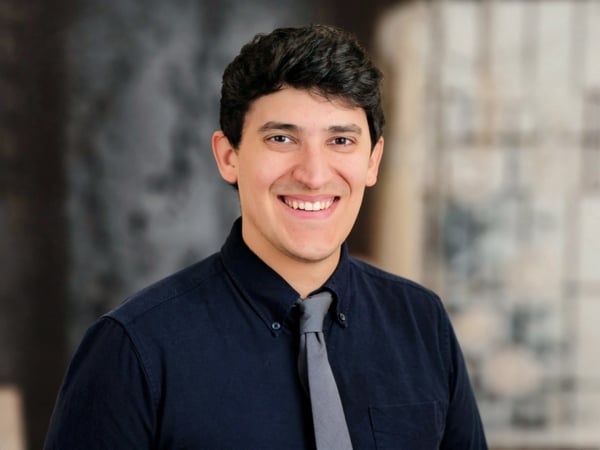
David Gallegos
Senior Scientist,
Takeda

Di He
Senior Scientist,
Merck

Dr. Deepak Veeregowda
Chief Executive Officer,
QT Sense

Dulguun Amgalan
Staff Scientist,
Illumina AI Lab

Emre Arslan
Associate Director,
Takeda

Eugenia Lyashenko
Senior Principal Scientist, Lab Head,
Sanofi

Fei Chen
Principal Investigator & Assistant Professor,
Broad Institute

Fei Zou
Professor,
University of North Carolina

Fengbo Ren
Founder and CEO,
Fovus

Gabor Balazsi
Henry Laufer Professor,
Stony Brook University

Gervaise Henry
Vice President, Solutions Engineering,
Manifold AI

Gloria Pryhuber
Professor, Department of Pediatrics, Neonatology (SMD),
URMC

Greg Warner
Senior Field Applications Scientist,
Cell Signaling Technology
Gregory Mendez
Principal Scientist,
Sanofi

Gulpreet Kaur
Chief Businesss Officer,
Elucidate Bio

Hagai Marmor-Kollet
Investment Associate,
aMoon Fund
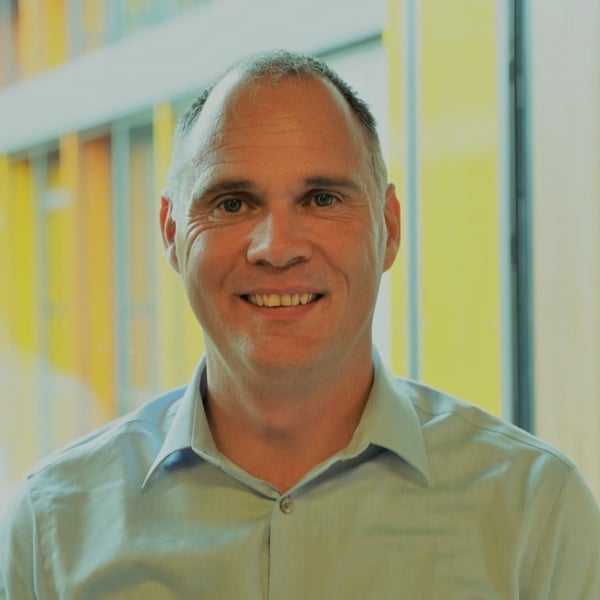
Hansueli Meyer
Senior Director, Site Leader and Head of Systems Integration Spatial Technologies,
Miltenyi Biotec

Heather Knight
Senior Scientist I,
Abbvie

Hua Li
Director of Computational Biology,
Stowers Institute for Medical Research

Ioannis Ragoussis
Professor,
McGill University

Irene Ghobrial
Professor of Medicine, Senior Vice President of Experimental Therapy, Lavine Family Chair for Preventative Cancer Therapy,
Dana-Farber Cancer Institute

Isabella Polic
Graduate Student,
The University of Texas MD Anderson Cancer Center

Iulian Pruteanu-Malinici
Senior Director Bioinformatics,
Flagship Pioneering/Pioneering Medicines

Ivan Lebedev
President,
Verdant Center for Spatial Biology

Jackson Brougher
Assistant Professor & Space Health Research Scientist,
Translational Research Institute For Space Health

Jan Schejbal
Senior Scientist II,
AbbVie

Jeff Byland
Senior Science & Technology Advisor,
10x Genomics

Jeff June
Chief Executive Officer,
Ischemia Care

Jennifer Frahm
Director, Field Application Scientist,
Standard BioTools Inc.

Jia-Ren Lin
Technical Director of Tissue Imaging,
Harvard Medical School

Jiang He
Vice President, R&D, Reagents,
Vizgen

Jiwoon Park
Founder of the Spatial Atlas of Human Anatomy,
Weill Cornell Medicine

Joann Arce
Assistant Professor,
Boston Children's Hospital, Harvard Medical School

Jochen Lennerz
Chair,
EFLM Task Group on Integrated Diagnostics

Joseph Beechem
CSO & Sr. VP of Research & Development,
Bruker Spatial Biology

Kisha Sivanathan
Senior Scientist,
AstraZeneca

Leonard Lipovich
adjunct professor,
Kean University

Madhumala Sadanandappa
Scientist,
Dartmouth Health

Mahmud Hossain
Senior Scientist II,
Sanofi

Manisha Brahmachary
Associate Director,
Sanofi USA

Manoj Kandpal
Director of Research Bioinformatics,
Rockefeller University

Maria Forero
Senior Advisor,
Accelmed

Nicolas Fernandez
Senior Computational Scientist,
Broad Institute of MIT and Harvard
Nir Ben Chetrit
Assistant Professor,
Weill Cornell Medicine

Pei Chen
Principal Scientist,
BMS

Qingqing Wang
Associate Director,
Regeneron

Rea Dabelic
Sr Staff Product Manager,
Illumina

Sahil Seth
Principal Scientist,
Bristol Myers Squibb

Samouil Farhi
Director, Spatial Technology Platform,
Broad Institute

Samuel Harrison
Technology and Application Science,
Miltenyi Biotec

Sara Hamon
Executive Director, Precision Medicine,
Regeneron Pharmaceuticals

Saum Ghodoussipour
Associate Professor,
Rutgers University

Shanye Yin
Assistant Professor,
Albert Einstein College of Medicine

Sharvari Gujja
Data Scientist, Abbvie,
Abbvie Inc.

Shoh Asano
Senior Principal Scientist,
Pfizer

Silvia Siso
Pathologist,
Abbvie
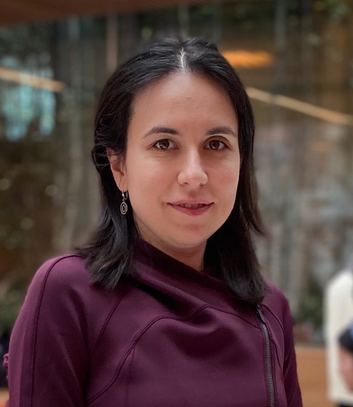
Simona Cristea
Head of Genomics and AI,
Dana-Farber Cancer Institute

Sindi Nexhipi
PostDoc,
DKFZ

Sophia George
Professor,
University of Miami

Soumya Negi
Senior Advisor,
Eli Lilly

Sourav Choudhury
Group Head, Distinguished Scientist,
Sanofi

Stephen Baylin
Head of the Cancer Genetics and Epigenetics Program,
Sidney Kimmel Comprehensive Cancer Center at Johns Hopkins

Steven Barthel
Assistant Professor of Dermatology,
Harvard Medical Scool, Mass General Brigham

Suhas Vasaikar
Associate Director,
Pfizer Ltd

Sunhwa Kim
Associate Scientific Director,
AbbVie

Terry Melim
Sr Research Analyst,
Abbvie

Tes Mersha
Professor,
Indiana University School of Medicine
Tad Geroge
Sr VP Biology R&D,
RareCyte Inc

Tibby Duan
Senior STOmics Product Manager,
Complete Genomics

Tim Harris
Venture Partner,
SV Health Investors

Unsubscribe me
Chief Executive Officer,
AmberGen

Uttiya Basu
Professor,
Columbia University

Vinay Mohta
Chief Executive Officer & Co-Founder,
Manifold AI

Virginia Savova
Board director,
Scailyte

Vitalay Fomin
CEO,
Numenos

William Henley
Co-Founder and VP of Research & Innovation,
Codetta Bio

Xian Wang
Research Project Manager,
University of Pittsburgh

Xuyu Qian
Assistant Professor, Department of Pediatrics, Division of Neurology,
Children’s Hospital of Philadelphia, Perelman School of Medicine, University of Pennsylvania

Yea Jin Kaeser-Woo
Senior Director,
Eli Lilly and Company

Yufei Huang
Professor,
University of Pittsburgh

Zongmei Gao
senior scientist ii,
abbvie
Our Esteemed Sponsors for NextGen Omics & Spatial Biology US 2025
Platinum Sponsors

10x Genomics
Platinum Sponsor
10x Genomics was founded on the vision that this century will bring advances in biomedicine and transform the way we understand and treat disease. We deliver powerful, reliable tools that fuel scientific discoveries and drive exponential progress to master biology to advance human health. Our end-to-end single cell and spatial solutions include instruments, consumables, and intuitive software, letting you unravel highly intricate biological systems, while bringing into focus the details that matter most.
Bruker Spatial Biology
Platinum Sponsor
Bruker Spatial Biology, a division of Bruker Corporation, provides advanced spatial molecular biology solutions, including instruments, assays, software, and services to support life sciences research. By integrating technologies from NanoString and Canopy Biosciences, Bruker offers an extensive portfolio designed to meet the diverse needs of global researchers exploring spatial biology.
The CosMx® Spatial Molecular Imager (SMI) enables high-plex detection and analysis of over 6,000 RNAs with single-cell resolution and precise cell segmentation, supported by the cloud-based AtoMx™ Spatial Informatics Platform. The GeoMx® Digital Spatial Profiler is a leading platform for whole-tissue exploration, providing whole transcriptomics and high-plex proteomic readouts. The CellScape™ Precise Spatial Proteomics platform allows for high-plex protein expression analysis at single-cell resolution, using versatile, open-sourced reagents. The nCounter® Analysis System enables rapid quantification of profiling of gene and miRNA expression with high sensitivity.
Together, Bruker Spatial Biology’s solutions are supported by a strong team of scientists, sales, and service associates, along with Canopy Multiomic Services for biopharmaceutical research, assay development, and clinical sample testing.
For more information, visit www.BrukerSpatialBiology.com.
Gold Sponsors

ariadne.ai
Gold Sponsor
ariadne.ai ag is your partner for biomedical image analysis. Our cloud-based, worry-free SPATIAL platform enables the analysis of multiplexed spatial proteomics, transcriptomics and multi-omics data, including precise stitching, registration, segmentation and statistical analyses of cellular neighborhoods. SPATIAL works with any data type, whether you have fluorescence or histopathological staining, 2d or 3d data, or complex cell types such as neurons. Our experienced team of annotators and software engineers will design and implement custom solutions to any image analysis challenge, no matter the tissue, device or assay.
Cell Signaling Technology
Gold Sponsor
CST® is a privately-owned, global company headquartered in Danvers, Mass., USA. Founded in 1999 and still led by research scientists. We are actively engaged in the development of products and technologies that facilitate signaling analysis and mechanistic cell biology and cancer research.
Miltenyi Biotec, Ltd.
Gold Sponsor
For over 30 years, Miltenyi Biotec has been a leader in the development of products that empower the advancement of biomedical research and enable cell and gene therapy. We provide innovative tools to help with your sample preparation, cell isolation, cell culture, and cell analysis needs. Our solutions are designed to support everything from basic research to translational research and clinical application for immunology, stem cell biology, neuroscience, and cancer.

Quantum-Si
Gold Sponsor
Quantum-Si, The Protein Sequencing Company™, is focused on revolutionizing the growing field of proteomics. The Company’s Platinum® Pro benchtop instrument enables Next-Generation Protein Sequencing™ that advances proteomic research, drug discovery, and diagnostics beyond what has been possible with existing proteomic tools. Detecting single amino acids through binding kinetics, the innovative Platinum® Pro benchtop sequencer is highly sensitive to protein variants, enabling deep interrogation of proteins to deliver breakthrough insights.

Singular Genomics
Gold Sponsor
Our recently launched G4X Spatial Sequencer, which is an upgrade to the G4 Sequencing Platform, is designed to offer high throughput in situ direct sequencing of RNA (Direct-Seq™), targeted transcriptomics, and proteomics profiling from formalin-fixed, paraffin-embedded (FFPE) tissues

Vizgen
Gold Sponsor
Vizgen is at the forefront of spatial biology and multi-omics innovation. Through its pioneering MERFISH technology and MERSCOPE® Platform for in situ single-cell spatial genomics and its high-fidelity InSituPlex® protein assays and AI-driven STARVUE™ spatial image analysis technology, Vizgen delivers unmatched tools that enable researchers to uncover deep insights into human biology and achieve breakthroughs in understanding mechanisms of complex diseases. Vizgen’s technology delivers high-confidence, quantitative data with exceptional accuracy, robustness, sensitivity and deep insights that power foundational and clinical research. Vizgen is headquartered in Cambridge, Massachusetts, and can be found online at www.vizgen.com and www.ultivue.com. Connect on social media Twitter, LinkedIn and Facebook.
Silver Sponsors
ACD, Bio-Techne
Silver Sponsor
ACD - a Bio-Techne brand, is a pioneer and leader in the advancement of spatial genomics and clinical applications by unlocking the power of RNA and developing cell- and tissue-based research and diagnostic tests for personalized medicine.
Based in Silicon Valley, ACD’s proprietary RNAscope™ technology, the first multiplex fluorescent and chromogenic in situ hybridization platform, enables detection and quantification of single RNA molecules in situ. Our portfolio includes, RNAscope, BaseScope™, miRNAscope™ and HiPlex™ v2. With over 50,000 probes and our Professional Assay Services, we enable rapid assessment of unique targets. Since launch in 2011, the technology boasts 10,000+ citations, with new peer reviewed publications daily.
Based on proprietary technology, ACD’s RNAscope Technology, the first multiplex fluorescent and chromogenic in situ hybridization platform enables detection and quantification of RNA in situ at single molecule sensitivity.

Ardigen S.A.
Silver Sponsor
Ardigen is a leading AI Contract Research Organisation (CRO) dedicated to increasing the success rate of drug discovery. Recognized among the top 5% of AI in drug discovery companies worldwide, Ardigen integrates expertise in biology, bioinformatics, machine learning, and software engineering to deliver advanced computational solutions exclusively tailored for the biotechnology and pharmaceutical sectors. Over the past 10 years, we have earned the trust of over 120 clients, including 15 major pharmaceutical companies, by providing exceptional in silico research and data engineering services.

Complete Genomics
Silver Sponsor
Complete Genomics is a pioneering life sciences company offering innovative, comprehensive sequencing solutions, including sample/library preparation, lab automation, sequencing, and data analysis. Our sequencing portfolio features a full range of sequencers designed to meet low, medium, and high throughput needs, all powered by our proprietary DNBSEQ technology. To date, over 9,700 publications have utilized DNBSEQ technology across a broad spectrum of applications.
As the exclusive distributor of STOmics products in North America, Complete Genomics provides access to Stereo-seq technology—the only spatial transcriptomics solution worldwide capable of exploring the entire transcriptome at true single-cell resolution.
To learn more, visit https://www.completegenomics.com
GENEWIZ from Azenta Life Sciences
Silver Sponsor
As a global leader in R&D genomics services, GENEWIZ from Azenta Life Sciences, leads the way in providing superior data quality with unparalleled technical support to enable researchers around the world to advance their scientific discoveries faster than ever before.
Our customers at top-tier pharmaceutical, biotechnology, and academic institutions, as well as cutting-edge start-ups, rely on our proprietary technologies for consistent, reliable, high-quality data, even on the most difficult projects. A full-service provider, we provides Sanger DNA sequencing, gene synthesis, molecular biology, high throughput/next generation sequencing, bioinformatics, and GLP regulatory services.

Hamilton
Silver Sponsor
Hamilton Company specializes in the development, manufacturing and customization of precision measurement devices, automated liquid handling workstations, and sample management systems. Hamilton's processes are optimized for quality and flexibility. Whether it's a custom needle with a quick delivery time frame, a special length pH sensor, or a comprehensive solution to fully automate your assay workflow, trust that Hamilton products will always meet your needs.
Hamilton Company has been a leading global manufacturer for more than 60 years, with headquarters in Reno, Nevada;Franklin, Massachusetts;Timișoara, Romania;Bonaduz, Switzerland;and subsidiary offices throughout the world.


Lunaphore Technologies SA, a Bio-Techne company
Silver Sponsor
Lunaphore Technologies S.A. – a Bio-Techne brand, is a Swiss company born in 2014 with the vision of enabling spatial biology in every laboratory. Lunaphore provides solutions based on a game-changing chip technology that can extract spatial proteomic and transcriptomic data from tumors and other tissues, transforming any assay into multiplex spatial biology through a streamlined and easily integrated process. Lunaphore empowers researchers in immunology, immuno-oncology, and neuroscience to push the boundaries of scientific discovery and drug development. Lunaphore’s technology enables the identification of biomarker “signatures” with clinical relevance to support the development of diagnostic tools and streamline clinical trials, to ultimately improve patient outcomes. For further information on Lunaphore and its products, please visit https://lunaphore.com.

Navinci
Silver Sponsor
Navinci is a Swedish biotech company specializing in developing innovative solutions for studying protein interactions. With a focus and a strong legacy in developing in situ proximity ligation assay technology, Navinci has established itself as a center of excellence in the field and has a broad portfolio of products that help researchers study protein interactions in depth.

NeoGenomics Laboratories
Silver Sponsor
NeoGenomics is a premier cancer diagnostics company, specializing in cancer genetics testing and information services. We offer one of the most comprehensive oncology-focused testing menus across the cancer continuum, serving oncologists, pathologists, hospital systems, academic centers, and pharmaceutical firms with innovative diagnostic and predictive testing to help them diagnose and treat cancer. We partner with pharmaceutical clients from discovery to commercialization with broad oncology testing capabilities powered by in-house scientific expertise and dedicated project support teams. Our clients benefit from our state-of-the-art molecular technology, from whole exome sequencing, whole transcriptome sequencing, HLA typing, and the proprietary MultiOmyx™ high-order multiplexing methodology.

Olink
Silver Sponsor
Olink offers an unmatched high-multiplex technique to identify actionable biomarkers, with a strong focus on the human plasma proteome. Using minimal sample volume we provide quantifiable results with high-throughput, exceptional sensitivity and specificity, with coverage across a broad dynamic range. Our mission is to accelerate proteomics together with the scientific community across multiple disease areas to enable new discoveries and better understand complex real-time human biology. We are committed to develop our offering and are continuously expanding our protein coverage for a growing number of biological processes and pathways.
Olink is well-established in Europe (HQ Uppsala, Sweden) and the USA (HQ Boston, MA), with a rapidly developing presence across Asia. We also work with a growing number of core labs around the world offering analysis and support to an expanding global customer base.

Parse Biosciences
Silver Sponsor
Parse Biosciences is a Seattle-based company with the mission of accelerating progress in human health and scientific research. At the core of our company is our pioneering approach for single cell sequencing. Single cell sequencing has already enabled groundbreaking discoveries which have led to new understandings of cancer treatment, tissue repair, stem cell therapy, kidney and liver disease, brain development, and the immune system.

Sapient Bioanalytics
Silver Sponsor
Sapient is a leader in multi-omics discovery, providing bespoke services for proteomics, metabolomics, lipidomics data generation and delivering insights that enable biopharma sponsors to go beyond the genome to accelerate precision drug development.
Utilizing cutting-edge, high throughput mass spectrometry, we make nontargeted and targeted measurements to capture thousands of dynamic biomarkers – including proteins, metabolites, and lipids – per sample, across thousands of samples at a time. We pair this with advanced biocomputational frameworks enabling comprehensive biomarker-phenotype mapping and integrative analyses with other omics and real-world data.
Aided by our proprietary Human Biology Database — comprising data from tens of thousands of samples in which we can mine for and validate biomarkers and targets — we can support rapid drug target identification, biomarker discovery and validation, and translational insights across all stages of drug development, including clinical trials.

Scale Biosciences
Silver Sponsor
Scale Biosciences is at the forefront of a new era in single cell research, providing scientists with the tools they need to push the boundaries of biological discovery. Our innovative platforms combine accessibility, flexibility, and scalability, allowing researchers to design experiments that fit their unique scientific objectives without compromising on quality or results. By enabling the analysis of up to millions of cells and the multiplexing of hundreds of samples, Scale Bio empowers scientists to generate rich, comprehensive datasets that can unlock new insights into complex biological systems. We are dedicated to collaborating with the scientific community to drive innovation and accelerate breakthroughs in single cell-omics. Join Scale Bio on this transformative journey and help unleash the full potential of single cell research today.

Single Cell Discoveries
Silver Sponsor
Single Cell Discoveries is a Contract Research Organization (CRO) specializing in innovative single-cell sequencing technologies, multi-omic applications, and spatial transcriptomics. Single Cell Discoveries delivers high-impact insights to biopharmaceutical companies, healthcare systems, and academic research centers worldwide. Single Cell Discoveries' mission is to accelerate groundbreaking research by developing and providing state-of-the-art single-cell technologies as a service.

Standard BioTools
Silver Sponsor
Standard BioTools™, previously known as Fluidigm®, is driven by a bold vision – Unleashing tools to accelerate breakthroughs in human health. Standard BioTools provides an established portfolio of essential, standardized technologies that empower customers to scale and accelerate their life sciences research. From interrogating cell function and cancer-immune cell interactions to confidently determining new biomarkers or integrity of samples, Standard BioTools promotes the development of breakthrough medicines faster and better through the delivery of consistent, reliable and repeatable results.
Bronze Sponsors

Aspect Analytics
Bronze Sponsor
Aspect Analytics develops enterprise software to analyze and integrate spatial omics data. Spatial technologies are steadily maturing into a key enabler in drug development, biomarker discovery, and life science research. With spatial omics datasets commonly generating tens to hundreds of gigabytes of complex data in a single experiment, data analysis is becoming a critical bottleneck in the adoption of this emerging technology. Aspect Analytics bridges the gap between algorithmic development in bioinformatics research and enterprise-grade software platforms to support key spatial omics-based applications. Our software can (i) extract maximal knowledge from spatial data, including co-registration with different modalities, (ii) scale up for high-throughput applications and (iii) provide integrated data management, traceability and more. Aspect Analytics enables breakthrough research and facilitates cross-disciplinary teamwork by bringing spatial multi-omics data into a single view, collaborative platform.

Atrandi Biosciences
Bronze Sponsor
Atrandi Biosciences is a pioneering life sciences tool company transforming single-cell analysis with Semi-Permeable Capsule (SPC) technology. SPCs redefine how single-cell research is done, enabling multi-step, high-throughput workflows while maintaining true single-cell resolution. Unlike conventional methods, SPCs allow researchers to perform multiomic assays seamlessly, unlocking deeper insights into biology. Founded by leading scientists and driven by a mission to simplify research and advance discovery, Atrandi is shaping the future of single-cell analysis and empowering scientists worldwide.

Beckman Coulter
Bronze Sponsor
We are a life sciences company that provides an extensive portfolio of solutions for workflow innovation, lab automation of routine tasks/complex methods, and software solutions to advance your research.
Our lab automation solutions and genomic reagents portfolio facilitate seamless processes for DNA/RNA clean-up, size selection, extraction, and sample preparation for NGS, RNA-seq, and single-cell transcriptomics. By integrating our advanced solutions into your lab, you can achieve high-quality, reproducible data, empowering your AI and machine learning models.

Becton Dickinson Biosciences
Bronze Sponsor
BD is a leading medical technology company that benefits countless lives worldwide. We advance health by improving the ways that discovery, diagnostics and delivery of care are conducted. With 45,000 employees at work in more than 50 countries, we work in close collaboration with customers and partners to develop innovative products and solutions that enhance outcomes, better manage healthcare delivery costs, increase efficiencies, improve healthcare safety, and expand access to health. Because we’ve been doing this for over 100 years, our portfolio, leadership and partnerships make a difference for global healthcare. For more information, please visit: www.bdbiosciences.com

CS Genetics
Bronze Sponsor
CS Genetics delivers simplicity in a world of complex, time-consuming and expensive single cell genomics workflows. Our nimble, experienced team understands that tomorrow’s discoveries require technology that is simple to adopt and easy to use with near-limitless scalability.
Our transformative new technology for single cell genomics replaces complex hardware and manual time-consuming workflows with a simple, instrument-free, solution-based, Kinetic Confinement assay that plugs seamlessly into any molecular biology laboratory. This simplicity also enables an affordable price point so researchers will no longer have to limit the scale of their studies.

Hawk Biosystems
Bronze Sponsor
HAWK Biosystems is an innovative biotechnology company based in Bilbao, Spain, and a spin-off from prestigious institutions such as Cancer Research UK (CRUK) and the Francis Crick Institute in London. Founded in 2018 by an exceptional team of scientists and business leaders, HAWK has rapidly positioned itself at the forefront of spatial biology, providing ground-breaking solutions for the analysis of protein functions in tissue.
At HAWK Biosystems, our mission is to develop advanced diagnostic systems that accelerate the progress of personalized medicine, focusing on critical diseases such as cancer. Our cutting-edge technology, QF-Pro®, is a revolutionary platform that enables precise, quantitative analysis of protein functions at a sub-pixel resolution. Unlike traditional techniques, QF-Pro® is capable of identifying protein-protein interactions and post-translational modifications within tissue samples at a resolution of less than 10 nanometers. This innovation provides clinicians and researchers with reproducible, robust, and unbiased data, which has demonstrated significant clinical value. For instance, QF-Pro® has been validated in a study to predict patient response to PD-1/PD-L1 inhibitors in lung cancer, demonstrating its potential to significantly improve treatment outcomes by potentially tripling response rates and doubling survival rates.
Leica Microsystems & Leica Biosystems
Bronze Sponsor
Leica Microsystems develops and manufactures microscopes and scientific instruments for
the analysis of microstructures and nanostructures. Widely recognized for optical precision
and innovative technology, the company is one of the market leaders in compound and stereo
microscopy, digital microscopy, confocal laser scanning and super-resolution microscopy.
Leica Biosystems (LeicaBiosystems.com) is a global leader in cancer diagnostics with the most comprehensive portfolio from biopsy to diagnosis. Our mission of “Advancing Cancer Diagnostics, Improving Lives” is at the heart of our corporate culture. Our easy-to-use and consistently reliable offerings help improve workflow efficiency and diagnostic confidence.

Levitasbio
Bronze Sponsor
LevitasBio is dedicated to advancing science and
human health by providing researchers with new
and powerful methods for sample preparation and
characterization. The LeviCell platform is a
first-in-class cell enrichment solution powered
by a proprietary, label-free, and gentle Levitation
Technology. Our unique solution generates
high-quality samples while preserving the cells’
native state, enabling researchers across multiple
scientific disciplines to uncover true biology.
Accelerate Scientific Discovery With the Power of
Levitation Technology
RareCyte
Bronze Sponsor
RareCyte provides Precision Biology™ products and services for discovery, translational research and clinical diagnostics. The Orion™ spatial biology platform enables whole-slide highly multiplexed tissue analysis for multiple samples per day. Comprehensive liquid biopsy offerings enable CTC and other rare cell characterization and single cell retrieval for molecular analysis and CDx development.

Zifo Technologies
Bronze Sponsor
Zifo is a global specialist scientific and process informatics service provider working across research, development, manufacturing and clinical domains with expertise in over 90 partner technologies and platforms. We serve customers from Pharma/Biotech/CRO, Industrial chemicals and Food & Bev, to Consumer Goods and Oil and Gas. Our “Glocal” approach leverages remote delivery to ensure cost-effective delivery and solutions coupled with dedicated local support to ensure engagement, success and qualit
Network & Programme Sponsors

Aliri Bioanalysis
Network & Programme Sponsor
We provide a range of bioanalysis lab, spatial bioanalysis, and spatial biology solutions that will help you advance your molecule from discovery through clinical development and NDA approval, while being backed by a network of technical experts and seasoned scientists.

BioLizard
Network & Programme Sponsor
At BioLizard, we “think data” and “speak biology”, partnering with our clients to transform lives. Our expert team combines deep biological knowledge with cutting-edge AI and bioinformatics to tackle complex data challenges in human and animal health. Through our AI-native Bio|Verse platform, we accelerate biomarker discovery and enable actionable insights for modern drug development. With a global presence, we deliver tailored solutions in data management, bioinformatics, and AI to drive your data-driven strategy to biotech, pharma and diagnostic companies. Let’s shape the future of life sciences together—connect with BioLizard today!

Discovery Life Sciences
Network & Programme Sponsor
Discovery Life Sciences is a global leader in biospecimens and specialty lab services, enabling the discovery and development of groundbreaking therapeutics and diagnostics. With a robust portfolio of human biospecimens and cellular starting material, preclinical ADME-tox solutions, and cutting-edge specialty lab services, we provide our partners with the tools, data and expertise they need to succeed. From genomics and proteomics to cell biology and molecular pathology, our comprehensive service offerings support every phase of the scientific journey, from research through clinical trials. For more information, visit www.dls.com.

Elucidate Biotechnologies
Network & Programme Sponsor
Elucidate Bio provides multi-modal spatial biology services, enabling same-tissue imaging of DNA, RNA, and protein with single-cell spatial resolution. Powered by technology licensed from Sizun Jiang at Harvard Medical School/BIDMC, we specialize in single-slide spatial proteomic, transcriptomic, and genomic data
generation and analysis. With rigorous quality control, we deliver high-quality data, detailed analysis, and actionable insights to advance biomarker discovery, therapeutic development, and precision medicine. Contact Elucidate Bio to explore innovative spatial pipelines tailored to your program needs.

Psomagen
Network & Programme Sponsor
Psomagen, Inc., formerly Macrogen U.S.A., is a North American integrative omics solutions and contract laboratory services provider. The company makes cutting-edge technology and data analysis accessible to the academic, pharma, biotech and clinical markets. With both CLIA-certified and CAP-accredited facilities, its team delivers the highest-quality multiomics data using best-in-class DNA, RNA, and protein analysis systems. In conjunction with its bioinformatics capabilities, Psomagen offers a path to insights that is both simple and affordable. Learn more at psomagen.com.

Scailyte
Network & Programme Sponsor
Scailyte is an ETH Zürich spin-off with a best-in-class artificial intelligence platform for the discovery of complex molecular and cellular patterns from single-cell data. Our solution provides unprecedented insight into the disease and patients’ biology and enables the discovery of new clinically-relevant biomarker signatures by uncovering human’s hidden “single-cell” secrets.
Scailyte’s proprietary best-in-class data analysis platform ScaiVision™ associates multimodal single-cell datasets (scRNA-seq, CITE-seq, CyTOF, TCR-/BCR-seq, etc.) with clinical endpoints, such as disease progression, severity, treatment response and toxicity response to identify ultra-sensitive biomarker signatures and cell functionality states. Our discoveries elucidate drug MoA and inform on the risk benefit ratio.
The performance and clinically-relevant applications of Scailyte’s platform ScaiVision have been demonstrated in various clinical projects in immunology and oncology.

Stellaromics
Network & Programme Sponsor
Stellaromics is dedicated to pioneering breakthroughs in 3D spatial multi-omics. The company's mission is to empower researchers with cutting-edge tools that illuminate the complexities of biological systems, enabling groundbreaking discoveries that improve human health.
The Stellaromics Pyxa platform enables researchers to visualize and analyze the spatial organization of cells and molecules within thick tissue samples at an unprecedented resolution. These breakthroughs, based on the company's STARmap and RIBOmap technologies, greatly expand upon applications of traditional 2D methods by offering a true 3D perspective, providing researchers with a deeper understanding of tissue organization, cellular interactions, and disease mechanisms.

Via Scientific
Network & Programme Sponsor
Via Scientific: AI-Powered Acceleration for Multi-Omics & Spatial Biology
AI-Driven Bioinformatics Innovation: Via Foundry, Via Scientific’s AI-powered platform, accelerates multi-omics research by eliminating bioinformatics bottlenecks. It enables research teams to build custom analysis pipelines without coding, automating data processing so scientists can focus on discovery. Foundry acts as a “force multiplier” for biomedical research, dramatically reducing time to insights.
Unified Multi-Omics & Spatial Insights: Designed for multi-omics and spatial biology, Via Foundry integrates genomics, transcriptomics, proteomics, and spatial data into a single platform. This fusion reveals deep biological insights missed by siloed analyses. With advanced visualization tools, Foundry handles large, complex datasets—accelerating discovery and development.
Empowering Next-Gen Research Collaboration: Built by scientists for scientists, Via Foundry upholds rigorous standards while enabling seamless collaboration across teams and long-term studies. With flexible deployment in the cloud or on-premises, it is trusted across academia, biotech, pharma, and healthcare. Combining AI-driven technology with an intuitive design, Via Scientific empowers researchers to unlock insights faster, more reliably, and at scale.

Visiopharm
Network & Programme Sponsor
Visiopharm® is a leading provider of AI-driven precision pathology software for research and diagnostics. In research, it is a technology leader providing tools that help scientists, pathologists, and image analysis experts produce accurate data for all types of tissue-based research. In diagnostics, it is a leader within clinical applications, with no less than eight diagnostic algorithms cleared under IVDR for EU and UK customers. These applications provide diagnostic decision support and can be easily activated and integrated into existing lab workflows.
Founded in 2002, Visiopharm is privately owned and operates internationally with over 750 customer accounts in more than 40 countries. The company's headquarters are located in Denmark's Medicon Valley, with legal entities in Sweden, the UK, Germany, the Netherlands, and the United States, and local representation in France and China.

Washington University
Network & Programme Sponsor
The McDonnell Genome Institute integrates cutting-edge ‘omics technologies and over 30 years of expertise to support your needs as your trusted partner. Explore our comprehensive solutions, including NGS, gene editing, stem cell biology, proteomics, and high-content imaging — custom-tailored to advance your research.