


.png)



.png?width=750&height=188&name=Cell%20Hackathon%20logo%20(light).png "Cell Hackathon logo (light)")



Anna Perdrix
co-CEO,
Sixfold Bioscience

Fernando Albericio
Research Professor,
University of KwaZulu-Natal

Kelly Loyet
Director and Distinguished Scientist,
Genentech
Kevin Fitzgerald
Chief Scientific Officer,
Epsilogen

Livija Deban
Chief Scientific Officer,
Prokarium
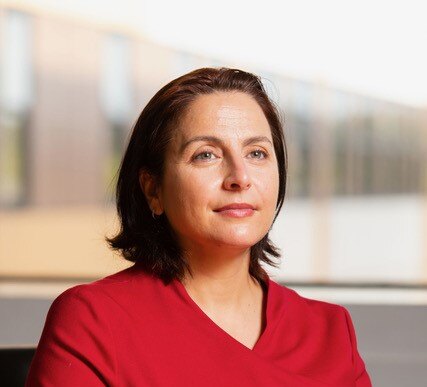
Maria Koufali
Director,
UK Vaccine Innovation Pathway

Marta Amaral
Head High Throughput Protein Engineering in Large Molecules Research,
Sanofi

Nazneen Dewji
CEO,
Cenna Biosciences Inc.
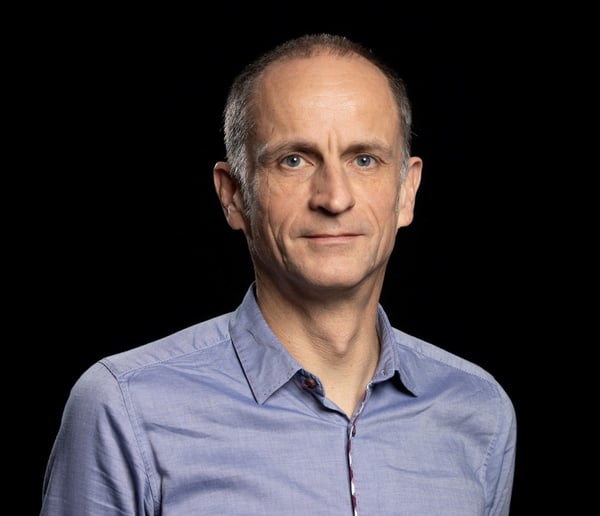
Philip Beer
CSO,
Step Pharma

Rick Hibbert
Vice President & Head of CMC Science & Technologies,
Genmab

Sudhir Agrawal
Founder,
Arnay Sciences

Tristan Vaughan
Vice President Protein Engineering,
Immunocore

Sandor Batkai
Freelance Consultant,
Cardior Pharmaceuticals
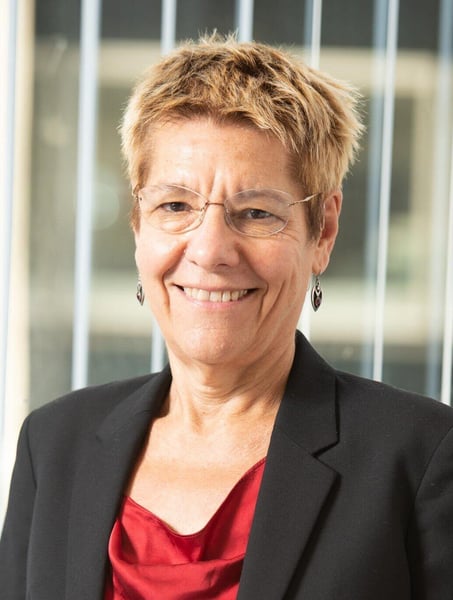
Kerry Chester
Professor of Molecular Medicine, Research Department of Oncology - University College London, Director at The Antibody Society,
The Antibody Society

Dorothy Bray
Director of Clinical Affairs,
Celtic Biotech Ltd

Aaron John Balana
Scientist III,
Genentech
Aikaterini Gatsiou
Assistant Professor,
Lancaster University

Alain Wagner
Research Director,
Strasbourg University

Alastair Lawson
Fellow,
UCB

alessandra tolomelli
professor,
university of Bologna
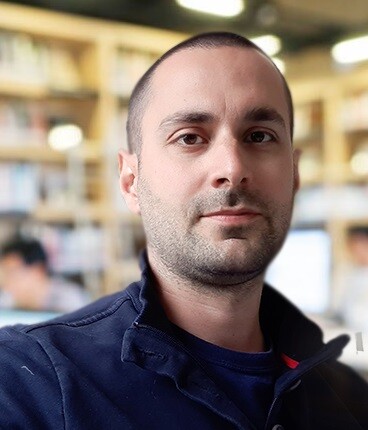
Alessandro Gori
Group Leader,
National Research Council of Italy

Alexandria Cogdill
Head of Strategic Initiatives, Global Business Development,
Daiichi Sankyo, Inc
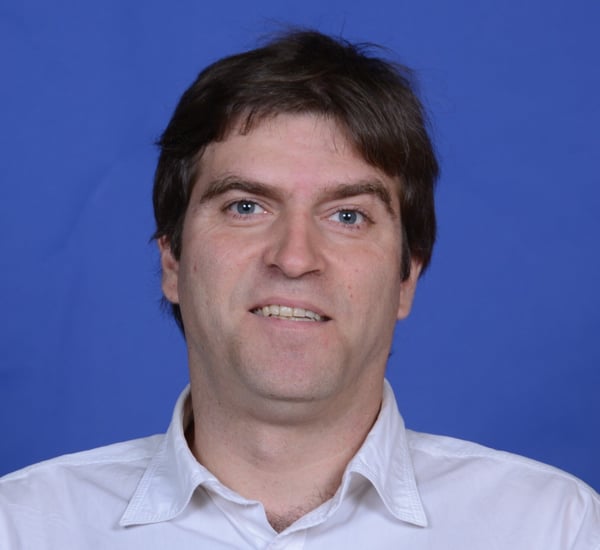
Álvaro Enríquez García
Medicinal Chemist,
Eli Lilly
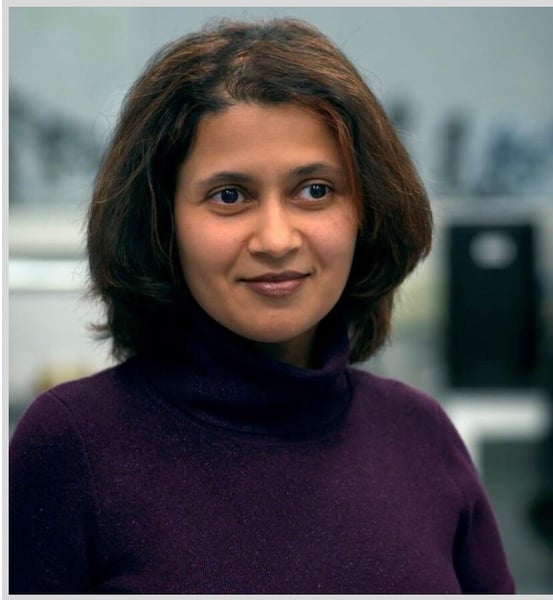
Amita Vaidya
Principal Scientist,
Sanofi

Ammar Ahmed
Senior Scientist,
Imperial College London
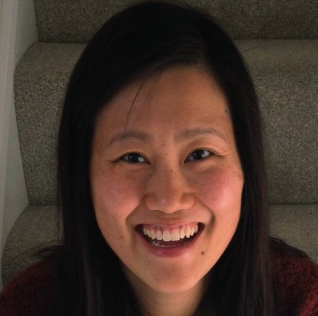
Amy Li
Director, Drug Discovery,
T-Therapeutics Ltd

Anand Kumar
Senior Scientist,
Sanofi
Andreas Midbøe Hoff
Head of In Silico & AI Department,
Nykode

Andreas Reichel
Vice President, Head of Research Pharmacokinetics,
Bayer

Andrew Buchanan
Scientist,
AstraZeneca

Andrew Creese
Scientific Director, Analytical Development at Immunocore,
Immunocore
Andrew Jamieson
Professor Of Chemical Biology ,
University of Glasgow

Andrew Slee
Chief Operating Officer,
AgenusBio

Andri Vasou
Head of Platform Development,
Bioarchitech

Aneesh Karatt Vellatt
Chief Scientific Officer,
Maxion Therapeutics
Anna Hine
Professor of Protein Engineering,
Aston University

Anna Maria Papini
Professor, Interdepartmental Research Unit of Peptide and Protein Chemistry and Biology, Department of Chemistry "Ugo Schiff",
University of Florence

Annelise Vuidepot, PhD
SVP CTO - Head of Pipeline & Platform Research and UK site Head,
Immunocore

Antonio Postigo
Chief Scientific Officer,
Stratosvir

Aswin Doekhie
Chief Technology Officer,
Ensilicated Technologies Ltd
Baldur Sveinbjørnsson
Chief Scientific Officer,
Lytix Biopharma

Bassam Hallis
Deputy Director of Research and Evaluation,
UK Health Security Agency
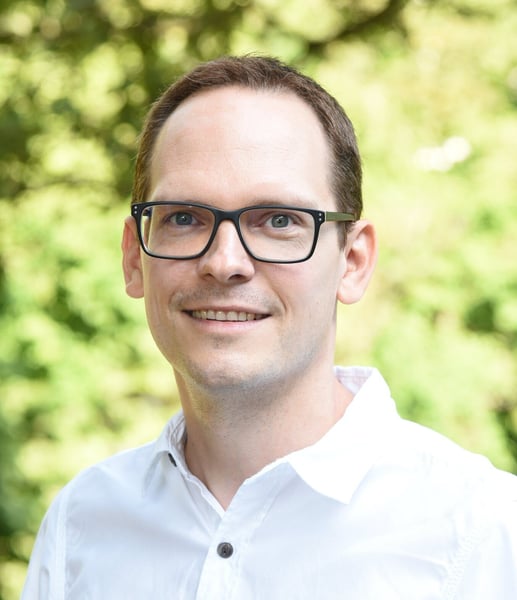
Benjamin Lindner
Data Scientist,
Boehringer Ingelheim RCV GmbH & Co KG

Berit Olsen Krogh
Senior Research Fellow,
Lundbeck
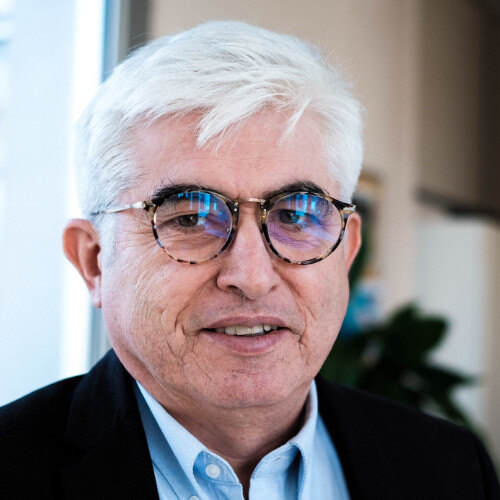
Bernard Maillere
Head of Laboratory,
CEA

Bjorn Onfelt
Professor of Applied Physics,
Royal Institute of Technology

Caleb McClain
Chief Executive Officer,
ANUNA (AI+BIO)

Callum Scott
Head of Development,
Scancell Ltd

Carla Vinals
Vice President, Global Regulatory Product Strategy,
Moderna Therapeutics
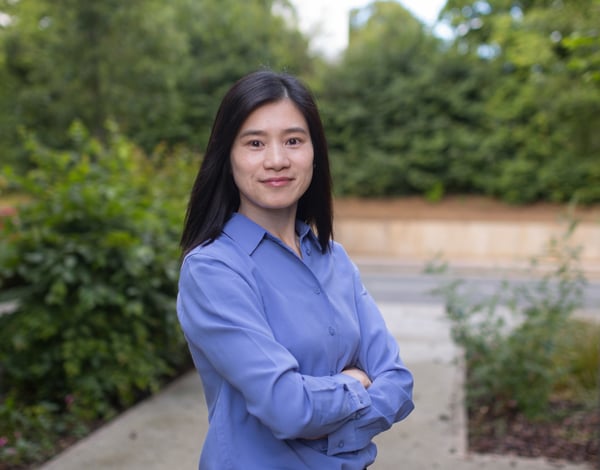
Carol Sze Ki Leung
Principal Investigator ,
Ludwig Institute, Oxford University

Charlotte Vernhes
Scientific and Medical Affairs Director,
Vaccines Europe
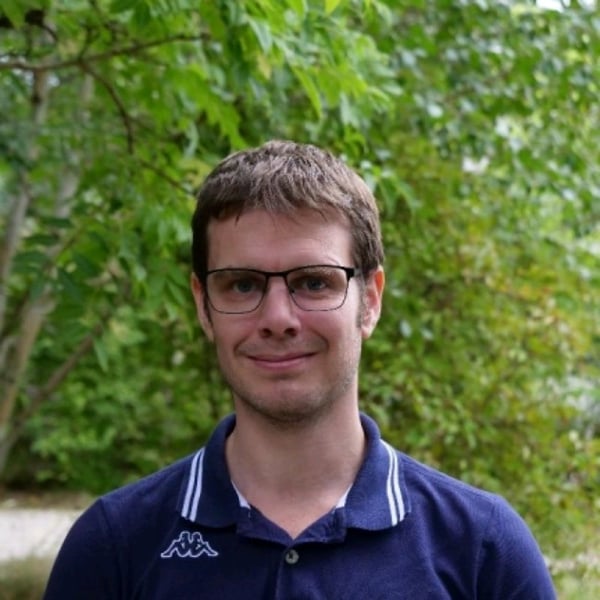
Christian Garde
Scientific Director, Bioinformatics,
Evaxion A/S

Christopher Scott
Professor,
Queen's University Belfast

Dan Hardy
CEO,
Microsol

Daniel Fonseca
Senior Research Scientist I ‑ Experimental Immunology,
Immunocore

Daniel Larocque
Innovation Leader,
Sanofi

Daniel Sejer Pedersen
Chemical Development Specialist,
Novo Nordisk A/S

David Brockwell
Professor,
University of Leeds

David Craik
Professor,
The University of Queensland

David Pejoski
Co-founder, Co-Chief Executive Officer, Chief Operating Officer, & Board Member,
Adoram Therapeutics
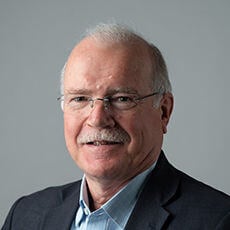
David Wraith
Professor,
UNIVERSITY OF BIRMINGHAM

Denise Steckel
Industry Clinical Collaborations Lead,
Genentech
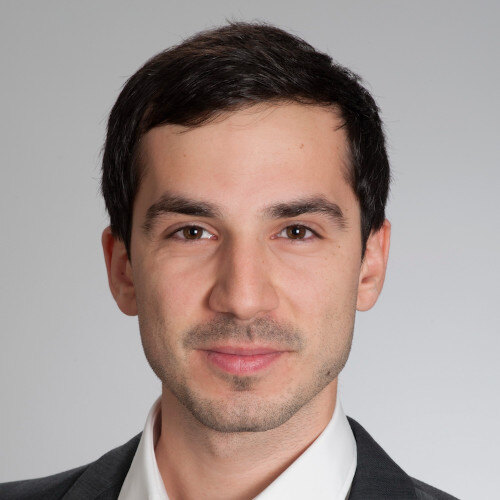
Deniz Eris
Principal Scientist,
Novartis

Ed Tate
Professor,
Imperial College London

Eef Dirksen
Head of Department (Analytical Validation and Quality Control),
Byondis
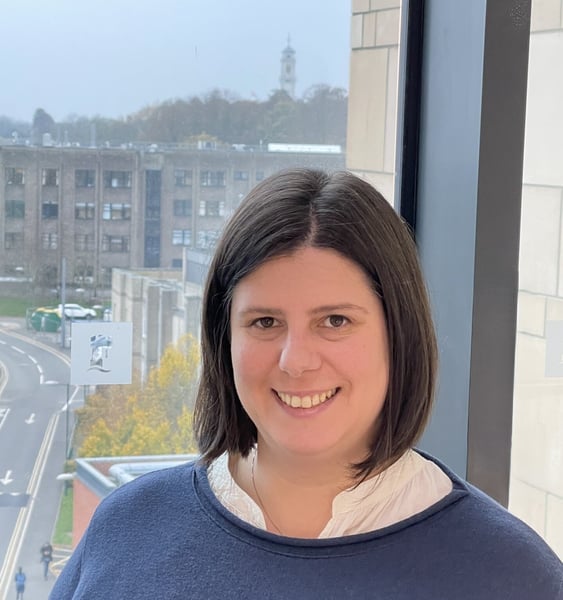
Elisa Marelli
Research Scientist,
Scancell

Elizabeth Boulter
Senior Scientist,
AstraZeneca

Erik Vernet
VP,
Novo Nordisk

Ernst Weber
Head of Molecular Design & Engineering & Bayer Science Fellow,
Bayer AG

Etienne Matous
Sr. Principal Scientist - Antibody Discovery and Engineering – Head of Lead Optimization,
IGI - Ichnos - Glenmark Innovation
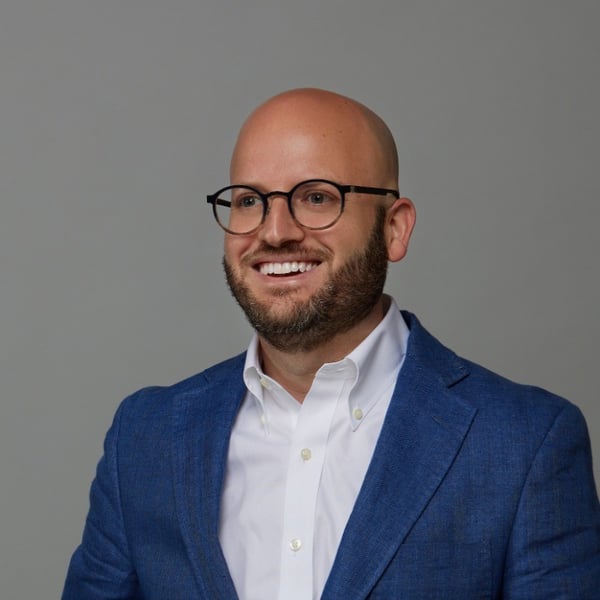
Evan Gomes
Principal Scientist,
Sanofi

Fazel Shabanpoor
Lab Head Peptide And Oligonucleotide Therapeutics,
The Florey Institute of Neuroscience and Mental Health
Felix Schumacher
Program Leader Targeted Therapeutics,
Roche
Francisca Wollerton
Senior Director,
AstraZeneca
Gabriel Wong
Senior Medical Director,
AstraZeneca
Georgios Skretas
Director,
Biomedical Sciences Research Center "Alexander Fleming"

Giulio Russo
Senior Scientist,
Merus
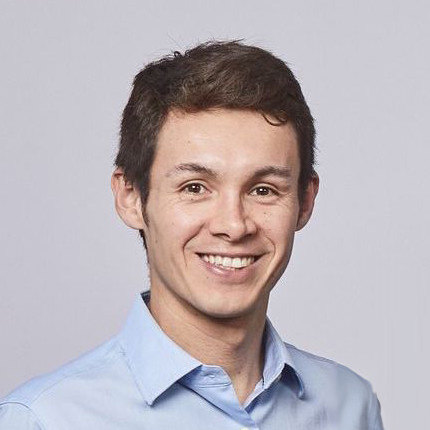
Hans Melo
Chief Executive Officer,
Menten Biotechnology Labs

Hans van der Vliet
Professor, Medical Oncologist,
LAVA Therapeutics

Helen Bright
Chief Scientific Officer,
Centauri Therapeutics
Helene Kaplon
Translational Scientist,
Servier
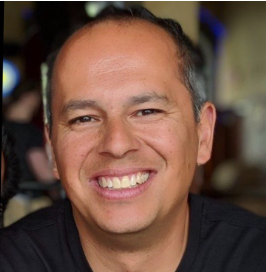
Henry Maun
Staff Scientist,
Genentech

Hester Van Zeeburg
Project Manager Immune & Disease Monitoring,
Mendus AB

Ian Hamley
Professor of Physical Chemistry,
University of Reading

Ijeoma Uchegbu
Professor of Pharmaceutical Nanoscience,
University College London
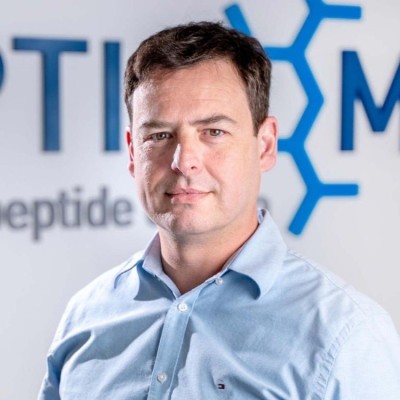
Immanuel Lerner
Chief Executive Officer,
Pepticom
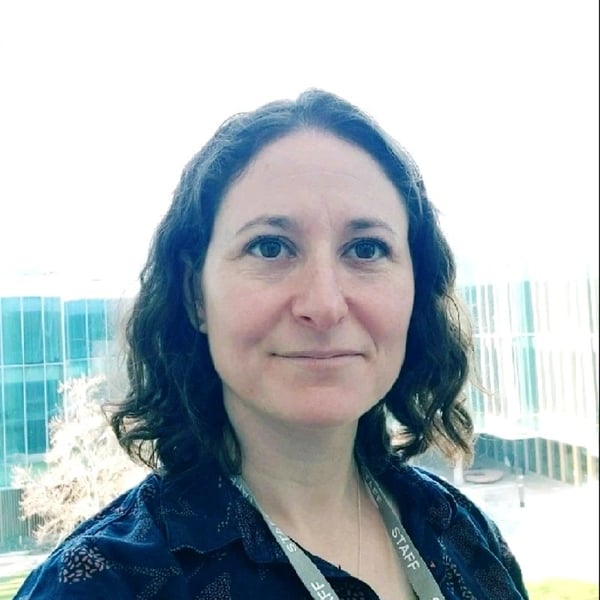
Isabelle Sermadiras
Principal Scientist,
AstraZeneca

Itishri Sahu
Program Lead Therapeutics,
Ziphius Vaccines

Iulia Oita
CMC Manager,
Ziphius Vaccines
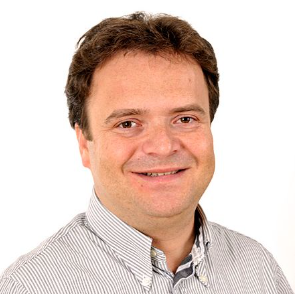
Janos Tibor Kodra
Principal Scientist,
Novo Nordisk
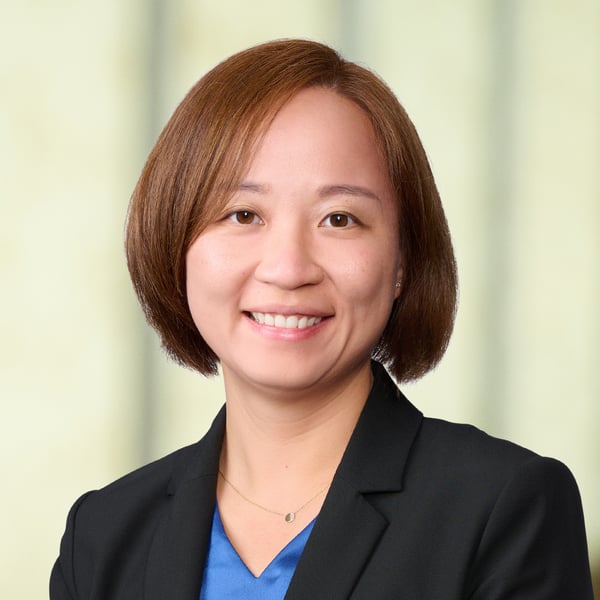
Jean Ge
Patent Attorney,
Wolf Greenfield

Jennifer Percival-Alwyn
Scientific Leader,
GSK

John Maher
Chief Scientific Officer,
Leucid Bio

Jonathan Kwok
Chief Executive Officer,
Infinitopes

Joost Uitdehaag
Head of Biology,
Crossfire Oncology B.V.

Jörg Wischhusen
Professor,
University Hospital Würzburg
.jpg?length=600&name=1048e2c3-e8c7-4b49-9c34-abc9914eac2c-2-11764368speaker_photo-Jutta-Eichler-(2).jpg)
Jutta Eichler
Professor Medicinal Chemistry,
University of Erlangen-Nurnberg

Karen Silence
Vice President,
Argenx BVBA
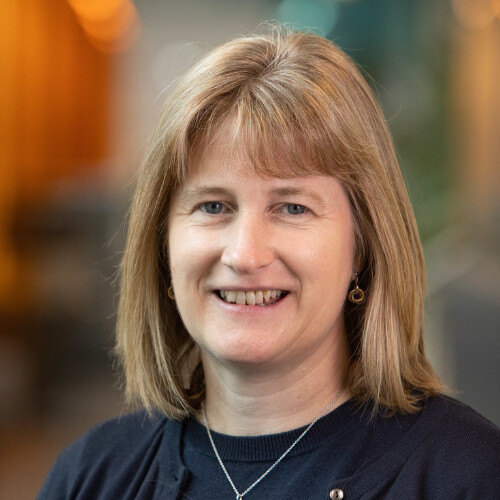
Kate Smith
UK Head Protein And Cell Sciences,
GlaxoSmithKline

Ken Chow
Health Tech Counsel,
Flanders Investment & Trade

Kevin Maskell
Research Director,
Bioarchitech

Knud Jørgen Jensen
Professor,
Copenhagen University

Kuda Muchandibaya
Lecturer for Supply Chain Management & Logistics,
Rhine-Waal University of Applied Sciences

Laura Collins
Director Bioinformatics,
Immunocore

Laura Starkie
Director,
UCB

Leonardo De Maria
Principal Scientist,
AstraZeneca

Louis Diorazio
Senior Principal Scientist, New Modalities,
AstraZeneca

Lucia Ferrazzano
Junior Assistant Professor,
University of Bologna

Lukas Pekar
Lab Head,
Merck
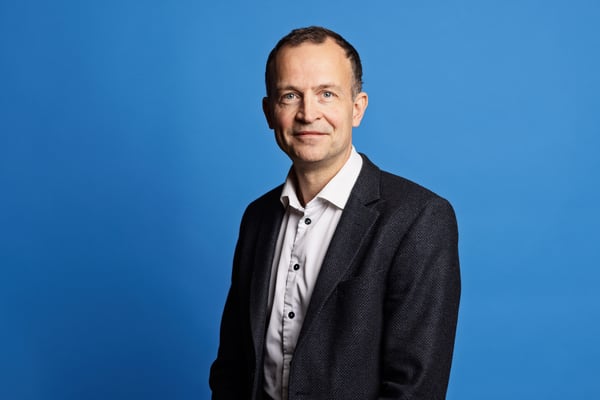
Mads Hald Andersen
Professor,
National Centre For Cancer Immune Therapy (CCIT-dk)

Mani Mudaliar
Director, Quantitative Biomarkers,
Recursion
Marc Vendrell Escobar
Professor of Translational Chemistry,
University of Edinburgh

Maria Fawaz
Associate Principal Scientist,
MSD
Marie McAvoy
Chief Scientific Officer,
Nanosyrinx

Marina Fedorova
Scientific Investigator,
GSK

Mark Eccleston
Director,
ValiRx Animal Health
Markus Templin
Head Cellular And Molecular Biology,
NMI

Martina Ochs
Project Leader,
CEPI
Mathieu Cinier
Scientific Director,
Affilogic

Matthew Burrell
Associate Director,
AstraZeneca
Mattias Malm
Senior Scientist,
Ferring Pharmaceuticals

Micaela Graglia
Analytical Chemist, Molecular Design,
Silence Therapeutics

Michael Delaney
Senior Principal Scientist,
Novo Nordisk

Mihaela Bozic
Scientist,
T-Therapeutics Ltd
Mikhail Kuravskiy
Proncipal Scientist,
UCB
Naomi Coombes
Senior project team leader,
UKHSA
Nathan Alves
Research Director,
Indiana University School of Medicine
Nesrine Chakroun
Associate Director,
Merus NV
Nicola Ferrari
Director,
AstraZeneca

Norbert Furtmann
Head of Computational and High-Throughput Protein Engineering,
Sanofi

Obinna C Ubah
Principal Scientist/Programme Lead,
Elasmogen Ltd

Owen Vickery
Associate Principal Scientist,
AstraZeneca

Patricia Alves
Head of the Sanofi Satellite Lab & Coordinator of Analytical Services Unit and Mass Spectrometry Unit,
Instituto de Biologia Experimental e Tecnológica

Paul Wassmann
Senior Principal Scientist,
Novartis AG
Pawel Stocki
Vice President,
Ossianix

Peter Sondermann
Chief Executive Officer,
Tacalyx GmbH Privacy Policy Imprint

Prasun Chakraborty
CEO and Founder,
Genevation LTD

RAJ Mehta
CEO,
Adendra Therapeutics

Raymond Tesi
President & Chief Executive Officer,
InMune Bio

Reeta Daswani
Senior Scientist II,
Sixfold Biosciences
Rita Martello
Scientific Director, NBE DMPK Lead,
Merck KGaA
Robert Andrews
Partner,
Mewburn Ellis LLP

Rodrigo Abreu
Principal Scientist,
LifeArc
Russell LaMontagne
Chief Executive Officer,
BITT

Sagar Kathuria
Senior Principal Scientist,
Sanofi

Sandra Tremmel
Microbiology Engineer, Pharma Technical Product Quality- Analytical Sciences,
Roche

Sandrien Janssens
CMC Director,
Mosanna Therapeutics

Santiago Parpal
Principal Scientist,
Sprint Bioscience

Sarah Hindson
Senior Scientist,
GSK

Sarah Stuart
High Throughput Characterisation Team Leader,
GSK

Saurabh Sen
Associate Director, Cell Line Development, Mammalian Platform Biologics,
Sanofi
Sebastian Sten
Associate Principal Scientist,
AstraZeneca
Sevim Ozgur Bruderle
Lab Head,
Sanofi

Shao-An Xue
Honorary professor,
University College London

Silvia Crescioli
Business Intelligence Creator,
The Antibody Society
Simon Hufton
Section Head Molecular Immunology, Division of Biotherapeutics,
MHRA

Simone Friedrich
Director Antibody Discovery & Development,
iOmx Therapeutics

Sonia Macia
Chief Medical Officer,
Aromics Therapeutics

Sonja Merkas
Founder, Creator & Doer,
Livinovea

Sophia Karagiannis
Professor of Translational Cancer Immunology and Immunotherapy,
King's College London
Sritama Bose
Associate Director of Chemistry,
Nucleic Acid Therapy Accelerator, Medical Research Council (UKRI)
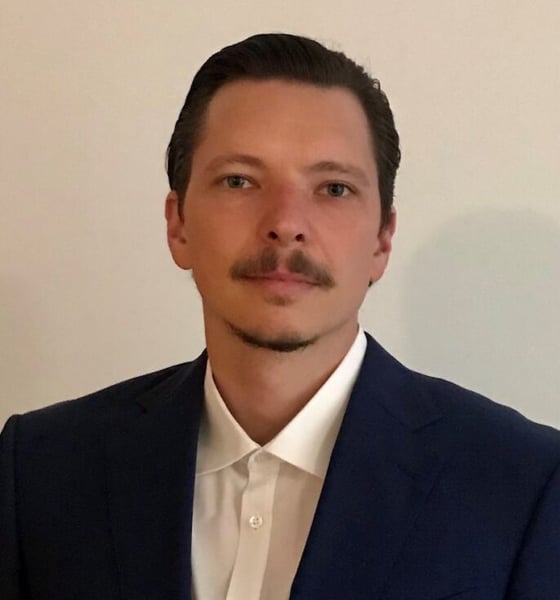
Stefan Zielonka
Senior Director, Global Head of Antibody Discovery & Protein Engineering,
Merck KGaA
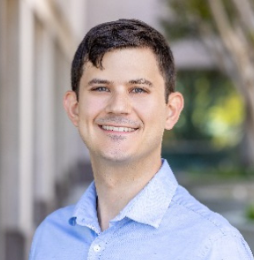
Stephen Miller
Principal Scientist,
Genentech

Steve Hood
Director, Oligonucleotide ADME Strategy, DMPK,,
GSK
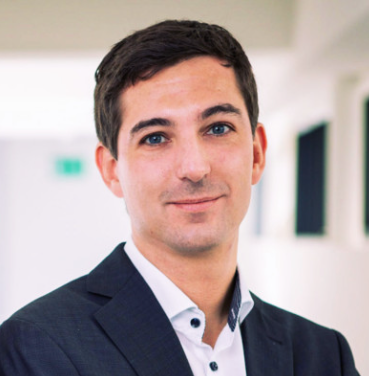
Steven Schmitt
Co-Founder & Chief Executive Officer,
Myria Biosciences

Stine Friis Thorsen
Director Clinical Development,
Evaxion Biotech

Talip Ucar
Senior Director,
AstraZeneca
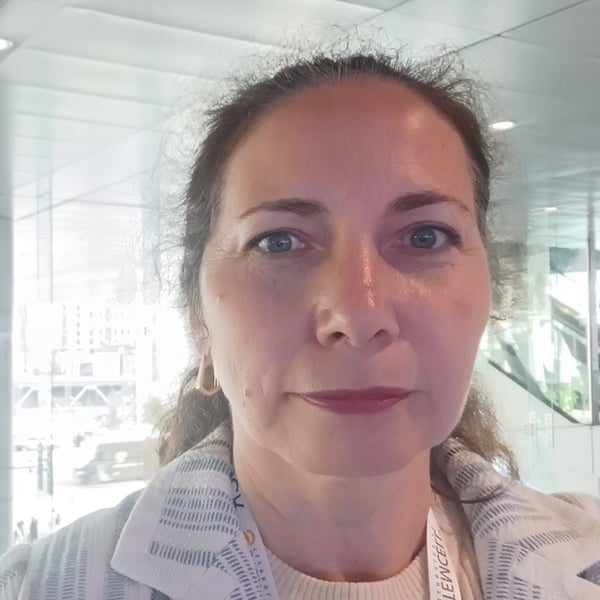
Tatyana Ponomaryov
Principal Scientist,
Plasticell
Thomas Kraft
Principal Scientist,
Roche

Thomas Powell
Senior Scientist,
Immunocore

Timothy Hickling
Immunogenicity Expert Scientist,
Roche

Tomasz Witkos
Associate Director,
AstraZeneca
Trevor Smith
VP Preclinical R&D,
Inovio Pharmaceuticals, Inc
Ulrike Rieder
Scientific Lead & Project Leader Oligonucleotides / New Modalities,
Novartis
Vaios Karanikas
Translational Biomarker Sciences Group Head,
Roche

Victoria Legh-Land
COO,
Microsol Ltd

Vik Reebye
Head of Academic Partnerships,
MiNA Therapeutics Ltd
Vincent Dewar
Head immunoassay analytical research development Belgium,
GSK
Vincenzo de Filippis
Associate Professor Biochemistry,
University of Padova
Walter Cabri
Professor,
University of Bologna

Wen-Hsuan Chang
Associate Vice President, Discovery and Early Development,
AcuraStem

Will Nesbit
Senior Director - Process Chemistry & CMC,
Bicycle Therapeutics
Wolfgang Koch
Senior Scientist,
F-star Therapeutics Inc

Yann Abraham
Associate Director AI for Single Cell,
Johnson & Johnson Innovative Medicine
Yiping Wu
Senior Scientist,
AstraZeneca

Zahra Rattray
Reader,
University of Strathclyde

Zinaida Dedeic
Senior Scientist,
University of Oxford
Anna Perdrix
co-CEO,
Sixfold Bioscience
Fernando Albericio
Research Professor,
University of KwaZulu-Natal
Kelly Loyet
Director and Distinguished Scientist,
Genentech
Kevin Fitzgerald
Chief Scientific Officer,
Epsilogen
Livija Deban
Chief Scientific Officer,
Prokarium
Maria Koufali
Director,
UK Vaccine Innovation Pathway
Marta Amaral
Head High Throughput Protein Engineering in Large Molecules Research,
Sanofi
Nazneen Dewji
CEO,
Cenna Biosciences Inc.
Philip Beer
CSO,
Step Pharma
Rick Hibbert
Vice President & Head of CMC Science & Technologies,
Genmab
Sudhir Agrawal
Founder,
Arnay Sciences
Tristan Vaughan
Vice President Protein Engineering,
Immunocore
Sandor Batkai
Freelance Consultant,
Cardior Pharmaceuticals
Kerry Chester
Professor of Molecular Medicine, Research Department of Oncology - University College London, Director at The Antibody Society,
The Antibody Society
Dorothy Bray
Director of Clinical Affairs,
Celtic Biotech Ltd
Aaron John Balana
Scientist III,
Genentech
Aikaterini Gatsiou
Assistant Professor,
Lancaster University
Alain Wagner
Research Director,
Strasbourg University
Alastair Lawson
Fellow,
UCB
alessandra tolomelli
professor,
university of Bologna
Alessandro Gori
Group Leader,
National Research Council of Italy
Alexandria Cogdill
Head of Strategic Initiatives, Global Business Development,
Daiichi Sankyo, Inc
Álvaro Enríquez García
Medicinal Chemist,
Eli Lilly
Amita Vaidya
Principal Scientist,
Sanofi
Ammar Ahmed
Senior Scientist,
Imperial College London
Amy Li
Director, Drug Discovery,
T-Therapeutics Ltd
Anand Kumar
Senior Scientist,
Sanofi
Andreas Midbøe Hoff
Head of In Silico & AI Department,
Nykode
Andreas Reichel
Vice President, Head of Research Pharmacokinetics,
Bayer
Andrew Buchanan
Scientist,
AstraZeneca
Andrew Creese
Scientific Director, Analytical Development at Immunocore,
Immunocore
Andrew Jamieson
Professor Of Chemical Biology ,
University of Glasgow
Andrew Slee
Chief Operating Officer,
AgenusBio
Andri Vasou
Head of Platform Development,
Bioarchitech
Aneesh Karatt Vellatt
Chief Scientific Officer,
Maxion Therapeutics
Anna Hine
Professor of Protein Engineering,
Aston University
Anna Maria Papini
Professor, Interdepartmental Research Unit of Peptide and Protein Chemistry and Biology, Department of Chemistry "Ugo Schiff",
University of Florence
Annelise Vuidepot, PhD
SVP CTO - Head of Pipeline & Platform Research and UK site Head,
Immunocore
Antonio Postigo
Chief Scientific Officer,
Stratosvir
Aswin Doekhie
Chief Technology Officer,
Ensilicated Technologies Ltd
Baldur Sveinbjørnsson
Chief Scientific Officer,
Lytix Biopharma
Bassam Hallis
Deputy Director of Research and Evaluation,
UK Health Security Agency
Benjamin Lindner
Data Scientist,
Boehringer Ingelheim RCV GmbH & Co KG
Berit Olsen Krogh
Senior Research Fellow,
Lundbeck
Bernard Maillere
Head of Laboratory,
CEA
Bjorn Onfelt
Professor of Applied Physics,
Royal Institute of Technology
Caleb McClain
Chief Executive Officer,
ANUNA (AI+BIO)
Callum Scott
Head of Development,
Scancell Ltd
Carla Vinals
Vice President, Global Regulatory Product Strategy,
Moderna Therapeutics
Carol Sze Ki Leung
Principal Investigator ,
Ludwig Institute, Oxford University
Charlotte Vernhes
Scientific and Medical Affairs Director,
Vaccines Europe
Christian Garde
Scientific Director, Bioinformatics,
Evaxion A/S
Christopher Scott
Professor,
Queen's University Belfast
Dan Hardy
CEO,
Microsol
Daniel Fonseca
Senior Research Scientist I ‑ Experimental Immunology,
Immunocore
Daniel Larocque
Innovation Leader,
Sanofi
Daniel Sejer Pedersen
Chemical Development Specialist,
Novo Nordisk A/S
David Brockwell
Professor,
University of Leeds
David Craik
Professor,
The University of Queensland
David Pejoski
Co-founder, Co-Chief Executive Officer, Chief Operating Officer, & Board Member,
Adoram Therapeutics
David Wraith
Professor,
UNIVERSITY OF BIRMINGHAM
Denise Steckel
Industry Clinical Collaborations Lead,
Genentech
Deniz Eris
Principal Scientist,
Novartis
Ed Tate
Professor,
Imperial College London
Eef Dirksen
Head of Department (Analytical Validation and Quality Control),
Byondis
Elisa Marelli
Research Scientist,
Scancell
Elizabeth Boulter
Senior Scientist,
AstraZeneca
Erik Vernet
VP,
Novo Nordisk
Ernst Weber
Head of Molecular Design & Engineering & Bayer Science Fellow,
Bayer AG
Etienne Matous
Sr. Principal Scientist - Antibody Discovery and Engineering – Head of Lead Optimization,
IGI - Ichnos - Glenmark Innovation
Evan Gomes
Principal Scientist,
Sanofi
Fazel Shabanpoor
Lab Head Peptide And Oligonucleotide Therapeutics,
The Florey Institute of Neuroscience and Mental Health
Felix Schumacher
Program Leader Targeted Therapeutics,
Roche
Francisca Wollerton
Senior Director,
AstraZeneca
Gabriel Wong
Senior Medical Director,
AstraZeneca
Georgios Skretas
Director,
Biomedical Sciences Research Center "Alexander Fleming"
Giulio Russo
Senior Scientist,
Merus
Hans Melo
Chief Executive Officer,
Menten Biotechnology Labs
Hans van der Vliet
Professor, Medical Oncologist,
LAVA Therapeutics
Helen Bright
Chief Scientific Officer,
Centauri Therapeutics
Helene Kaplon
Translational Scientist,
Servier
Henry Maun
Staff Scientist,
Genentech
Hester Van Zeeburg
Project Manager Immune & Disease Monitoring,
Mendus AB
Ian Hamley
Professor of Physical Chemistry,
University of Reading
Ijeoma Uchegbu
Professor of Pharmaceutical Nanoscience,
University College London
Immanuel Lerner
Chief Executive Officer,
Pepticom
Isabelle Sermadiras
Principal Scientist,
AstraZeneca
Itishri Sahu
Program Lead Therapeutics,
Ziphius Vaccines
Iulia Oita
CMC Manager,
Ziphius Vaccines
Janos Tibor Kodra
Principal Scientist,
Novo Nordisk
Jean Ge
Patent Attorney,
Wolf Greenfield
Jennifer Percival-Alwyn
Scientific Leader,
GSK
John Maher
Chief Scientific Officer,
Leucid Bio
Jonathan Kwok
Chief Executive Officer,
Infinitopes
Joost Uitdehaag
Head of Biology,
Crossfire Oncology B.V.
Jörg Wischhusen
Professor,
University Hospital Würzburg
Jutta Eichler
Professor Medicinal Chemistry,
University of Erlangen-Nurnberg
Karen Silence
Vice President,
Argenx BVBA
Kate Smith
UK Head Protein And Cell Sciences,
GlaxoSmithKline
Ken Chow
Health Tech Counsel,
Flanders Investment & Trade
Kevin Maskell
Research Director,
Bioarchitech
Knud Jørgen Jensen
Professor,
Copenhagen University
Kuda Muchandibaya
Lecturer for Supply Chain Management & Logistics,
Rhine-Waal University of Applied Sciences
Laura Collins
Director Bioinformatics,
Immunocore
Laura Starkie
Director,
UCB
Leonardo De Maria
Principal Scientist,
AstraZeneca
Louis Diorazio
Senior Principal Scientist, New Modalities,
AstraZeneca
Lucia Ferrazzano
Junior Assistant Professor,
University of Bologna
Lukas Pekar
Lab Head,
Merck
Mads Hald Andersen
Professor,
National Centre For Cancer Immune Therapy (CCIT-dk)
Mani Mudaliar
Director, Quantitative Biomarkers,
Recursion
Marc Vendrell Escobar
Professor of Translational Chemistry,
University of Edinburgh
Maria Fawaz
Associate Principal Scientist,
MSD
Marie McAvoy
Chief Scientific Officer,
Nanosyrinx
Marina Fedorova
Scientific Investigator,
GSK
Mark Eccleston
Director,
ValiRx Animal Health
Markus Templin
Head Cellular And Molecular Biology,
NMI
Martina Ochs
Project Leader,
CEPI
Mathieu Cinier
Scientific Director,
Affilogic
Matthew Burrell
Associate Director,
AstraZeneca
Mattias Malm
Senior Scientist,
Ferring Pharmaceuticals
Micaela Graglia
Analytical Chemist, Molecular Design,
Silence Therapeutics
Michael Delaney
Senior Principal Scientist,
Novo Nordisk
Mihaela Bozic
Scientist,
T-Therapeutics Ltd
Mikhail Kuravskiy
Proncipal Scientist,
UCB
Naomi Coombes
Senior project team leader,
UKHSA
Nathan Alves
Research Director,
Indiana University School of Medicine
Nesrine Chakroun
Associate Director,
Merus NV
Nicola Ferrari
Director,
AstraZeneca
Norbert Furtmann
Head of Computational and High-Throughput Protein Engineering,
Sanofi
Obinna C Ubah
Principal Scientist/Programme Lead,
Elasmogen Ltd
Owen Vickery
Associate Principal Scientist,
AstraZeneca
Patricia Alves
Head of the Sanofi Satellite Lab & Coordinator of Analytical Services Unit and Mass Spectrometry Unit,
Instituto de Biologia Experimental e Tecnológica
Paul Wassmann
Senior Principal Scientist,
Novartis AG
Pawel Stocki
Vice President,
Ossianix
Peter Sondermann
Chief Executive Officer,
Tacalyx GmbH Privacy Policy Imprint
Prasun Chakraborty
CEO and Founder,
Genevation LTD
RAJ Mehta
CEO,
Adendra Therapeutics
Raymond Tesi
President & Chief Executive Officer,
InMune Bio
Reeta Daswani
Senior Scientist II,
Sixfold Biosciences
Rita Martello
Scientific Director, NBE DMPK Lead,
Merck KGaA
Robert Andrews
Partner,
Mewburn Ellis LLP
Rodrigo Abreu
Principal Scientist,
LifeArc
Russell LaMontagne
Chief Executive Officer,
BITT
Sagar Kathuria
Senior Principal Scientist,
Sanofi
Sandra Tremmel
Microbiology Engineer, Pharma Technical Product Quality- Analytical Sciences,
Roche
Sandrien Janssens
CMC Director,
Mosanna Therapeutics
Santiago Parpal
Principal Scientist,
Sprint Bioscience
Sarah Hindson
Senior Scientist,
GSK
Sarah Stuart
High Throughput Characterisation Team Leader,
GSK
Saurabh Sen
Associate Director, Cell Line Development, Mammalian Platform Biologics,
Sanofi
Sebastian Sten
Associate Principal Scientist,
AstraZeneca
Sevim Ozgur Bruderle
Lab Head,
Sanofi
Shao-An Xue
Honorary professor,
University College London
Silvia Crescioli
Business Intelligence Creator,
The Antibody Society
Simon Hufton
Section Head Molecular Immunology, Division of Biotherapeutics,
MHRA
Simone Friedrich
Director Antibody Discovery & Development,
iOmx Therapeutics
Sonia Macia
Chief Medical Officer,
Aromics Therapeutics
Sonja Merkas
Founder, Creator & Doer,
Livinovea
Sophia Karagiannis
Professor of Translational Cancer Immunology and Immunotherapy,
King's College London
Sritama Bose
Associate Director of Chemistry,
Nucleic Acid Therapy Accelerator, Medical Research Council (UKRI)
Stefan Zielonka
Senior Director, Global Head of Antibody Discovery & Protein Engineering,
Merck KGaA
Stephen Miller
Principal Scientist,
Genentech
Steve Hood
Director, Oligonucleotide ADME Strategy, DMPK,,
GSK
Steven Schmitt
Co-Founder & Chief Executive Officer,
Myria Biosciences
Stine Friis Thorsen
Director Clinical Development,
Evaxion Biotech
Talip Ucar
Senior Director,
AstraZeneca
Tatyana Ponomaryov
Principal Scientist,
Plasticell
Thomas Kraft
Principal Scientist,
Roche
Thomas Powell
Senior Scientist,
Immunocore
Timothy Hickling
Immunogenicity Expert Scientist,
Roche
Tomasz Witkos
Associate Director,
AstraZeneca
Trevor Smith
VP Preclinical R&D,
Inovio Pharmaceuticals, Inc
Ulrike Rieder
Scientific Lead & Project Leader Oligonucleotides / New Modalities,
Novartis
Vaios Karanikas
Translational Biomarker Sciences Group Head,
Roche
Victoria Legh-Land
COO,
Microsol Ltd
Vik Reebye
Head of Academic Partnerships,
MiNA Therapeutics Ltd
Vincent Dewar
Head immunoassay analytical research development Belgium,
GSK
Vincenzo de Filippis
Associate Professor Biochemistry,
University of Padova
Walter Cabri
Professor,
University of Bologna
Wen-Hsuan Chang
Associate Vice President, Discovery and Early Development,
AcuraStem
Will Nesbit
Senior Director - Process Chemistry & CMC,
Bicycle Therapeutics
Wolfgang Koch
Senior Scientist,
F-star Therapeutics Inc
Yann Abraham
Associate Director AI for Single Cell,
Johnson & Johnson Innovative Medicine
Yiping Wu
Senior Scientist,
AstraZeneca
Zahra Rattray
Reader,
University of Strathclyde
Zinaida Dedeic
Senior Scientist,
University of Oxford
Our Esteemed Sponsors for NextGen Biomed 2025
Gold Sponsors

Charles River Laboratories
Gold Sponsor
Charles River provides essential products and services to help pharmaceutical and biotechnology companies, government agencies and leading academic institutions around the globe accelerate their research and drug development efforts. Our dedicated employees are focused on providing clients with exactly what they need to improve and expedite the discovery, early-stage development and safe manufacture of new therapies for the patients who need them. To learn more about our unique portfolio and breadth of services, visit www.criver.com.
Chemical Computing Group
Gold Sponsor
CCG (Chemical Computing Group) is a leading supplier of software solutions for life sciences. With a proven track record in scientific innovation, CCG continues to provide state-of-the-art applications in drug discovery to pharmaceutical, biotechnology and academic researchers. CCG’s software platform is the Molecular Operating Environment (MOE) which is used by computational chemists, medicinal chemists and biologists in the major pharmaceutical and biotechnology companies throughout the world. CCG has a very strong reputation for collaborative scientific support, maintaining support offices in both Europe and North America. Founded in 1994, CCG is headquartered in Montreal, Canada. For more information visit: www.chemcomp.com

Cradle Bio B.V.
Gold Sponsor
Cradle offers a software platform for AI-guided discovery and development of proteins for therapeutic, diagnostic, chemical and agricultural applications. Our customers include 4 out top-20 global pharma (incl. Novo Nordisk and Johnson & Johnson), 2 out of top-5 industrial bio (incl. IFF) and 1 out of top-3 agricultural. Our customers report R&D efficiency gains of 1.5× to 12× (as measured by number of experimental wet lab rounds), along with cost savings of millions of dollars per project.
Cradle's platform is fully automated, targets multiple modalities (antibodies, enzymes, vaccines, cytokines, recombinant proteins, etc.), performs simultaneous multi-property discovery and optimization (affinity, expression, …) and the AI models improve performance round-over-round.
This is offered for a predictable subscription fee. We don’t claim royalties or milestones, and full IP rights stay with customers.
Crown Bioscience
Gold Sponsor
Crown Bioscience, a JSR Life Sciences company and global CRO, specializes in oncology and immuno-oncology drug discovery and development. Partnering with biotech and pharmaceutical companies, we provide preclinical and translational platforms and services to deliver superior drug candidates. We offer over 600 tumor organoid models using Hubrecht Organoid Technology, spanning 22 cancer indications, and the largest commercially available PDX collection. In addition, we maintain an extensive biobank of human biospecimens, complete with clinical histories. With 11 facilities in the US, Europe, and APAC—including laboratories accredited by the College of American Pathologists (CAP) and the International Organization for Standardization (ISO)—we ensure the highest standards of quality and reliability in our research environments.

ENPICOM
Gold Sponsor
ENPICOM is an innovative bioinformatics software engineering company committed to accelerating biologics discovery and development through cutting-edge bioinformatics solutions. With a deep understanding of biology, software engineering, and AI, ENPICOM delivers innovative tools that empower scientists to make groundbreaking discoveries faster and more accurately.

Fluidic Sciences
Gold Sponsor
About Fluidic Sciences and Sphere Bio
Fluidic Sciences develops transformative in‑solution technologies for protein interaction analysis. Its flagship Fluidity One‑M instrument leverages Microfluidic Diffusional Sizing (MDS) to measure binding affinity, stoichiometry, size, and concentration without immobilization—directly in complex backgrounds such as serum, plasma, and lysate.
Sphere Bio is a Fluidic Sciences brand. Its technology develops and manufactures single‑cell analysis and monoclonality assurance systems that enable researchers to find, analyze, and isolate the most valuable cells with speed and precision. Its proprietary picodroplet microfluidics and Cyto‑Mine® Chroma multiplexing platform power applications across antibody discovery, cell line development, cell engineering, and cell therapy.
.png?length=600&name=1.GenScriptCorporation_Logo_EN_Horizontal_FullColor%20(2).png)
GenScript
Gold Sponsor
GenScript Biotech offers life-science services and products supporting research and therapeutic development by providing customized solutions for protein engineering, antibody generation, and related services, enhancing scientific discoveries and innovations.
Founded in 2002 as one of the first commercialize gene synthesis providers, GenScript provides services and products to scientists in over 200 countries worldwide, including complex protein expression, custom antibody development and engineering, gene and gene fragments synthesis, DNA/RNA/NGS/qPRC/tRNA, & siRNA oligos, mRNA & circular RNA synthesis, in vitro/in vivo pharmacology, as well as a variety of other research-focused catalogue products. GenScript Biotech can also offer custom peptides as well as CRISPR services from research use to cGMP needs.
Driven by the corporate mission of “make people and nature healthier through biotechnology”, GenScript strives to become the most trustworthy biotech company in the world.
GenScript offers global support for its loyal customers with dedicated sites in the Netherlands and the UK and a strong global remote workforce.

Lonza
Gold Sponsor
Lonza is one of the world’s largest healthcare manufacturing organizations. Working across five continents, our global community of approximately 18,500 colleagues helps pharmaceutical, biotech and nutrition companies to bring their treatments to market. We support our customers with a combination of technological insight, world-class manufacturing, scientific expertise, process excellence and innovation. Our work enables our customers to develop and commercialize their therapeutic discoveries, allowing their patients to benefit from life-saving and life-enhancing treatments.
Our company generated sales of CHF 6.6 billion with a CORE EBITDA of CHF 1.9 billion in Full-Year 2024. Find out more at www.lonza.com
Follow @Lonza on LinkedIn
Follow @LonzaGroup on X
.png?length=600&name=9eaa81ee-5bbe-4b99-86f7-23f16ccb27a8-2-5668375logo-PersonalisCorporateLogo-(2).png)
Personalis
Gold Sponsor
At Personalis, we are transforming the active management of cancer through breakthrough personalized testing. We aim to drive a new paradigm for cancer management, guiding care from biopsy through the life of the patient. Our highly sensitive assays combine tumor-and-normal profiling with proprietary algorithms to deliver advanced insights even as cancer evolves over time. Our products are designed to detect minimal residual disease (MRD) and recurrence at the earliest timepoints, enable selection of targeted therapies based on ultra-comprehensive genomic profiling, and enhance biomarker strategy for drug development.
PipeBio, a Benchling Company
Gold Sponsor
PipeBio makes biologics discovery easier and faster for scientists by helping them screen and analyze millions of sequences and identify key candidates on a cloud-native platform. PipeBio is part of Benchling’s R&D Cloud, software that powers the biotechnology industry. With Benchling, scientists can accelerate R&D and bring life-changing medicines and products to people faster. More than 200,000 scientists at over 1,300 companies and 7,500 academic and research institutions globally rely on Benchling to convert the complexity of biology into world-changing results. For more, please visit Benchling.com.
Schrödinger
Gold Sponsor
Schrödinger is transforming molecular discovery with its computational platform, which enables the discovery of novel, highly optimized molecules for drug development and materials design. Schrödinger’s software platform is built on more than 30 years of R&D investment and is licensed by biotechnology, pharmaceutical and industrial companies, and academic institutions around the world. Schrödinger also leverages the platform to advance a portfolio of collaborative and proprietary programs and is advancing three clinical-stage oncology programs. Founded in 1990, Schrödinger has approximately 900 employees operating from 15 locations globally. To learn more, visit www.schrodinger.com, follow us on LinkedIn and Instagram, or visit our blog, Extrapolations.com.

SeromYx Systems
Gold Sponsor
SeromYx Systems leverages high-throughput cell and bead-based assays, coupled with machine learning computational analysis, to advance the design and development of therapeutic monoclonal antibodies. By profiling the functional interactions between antibodies and innate immune cells, we enable biotechnology and pharmaceutical companies to develop targeted therapies with precision. Our platform provides the most comprehensive Fc effector function profiling to help identify antibody functions for targeting pathogens, infected cells, or tumors.
We offer an extensive suite of biophysical and functional assays to support the entire lifecycle of monoclonal antibody development, from candidate selection to IND and CMC filing. With a GCLP-certified platform and robust data interpretation, SeromYx is a trusted partner in the development of monoclonal therapies that address critical health challenges and unmet medical needs.

Sphere Bio
Gold Sponsor
Sphere Bio is the Cambridge (UK)-based microfluidics tools company with a range of novel cell encapsulation products for single-cell analysis and isolation. The Sphere Bio proprietary picodroplet microfluidic technology platform is designed specifically for single-cell screening and isolation, allowing users to encapsulate and analyze single cells within a droplet while maintaining viability. Flagship product Cyto-Mine® provides an integrated system with the ability to select, manipulate, analyze, and isolate cells, through an easy to use and intuitive interface that can automatically screen up to 40 million cells in a matter of hours. This unrivaled throughput aids in the acceleration of biopharmaceutical discovery and development, cell therapy, and synthetic biology workflows, easing the journey of discovery in labs globally.
Silver Sponsors

A&M STABTEST Labor für Analytik und Stabilitätsprüfung GmbH
Silver Sponsor
This year marks A&M STABTEST´s 30th anniversary! Since our foundation we have been serving the pharmaceutical and biopharmaceutical industry with GMP-compliant analytical services.
These include method development, method validation / transfer, stability testing, release testing as well as extractable/leachable testing. We aim to offer all relevant analytical services including LC-MS based characterization and full-GMP QC-testing of small molecules, protein-based actives, oligonucleotides and mRNA-nanoparticulate formulations under one roof. This reduces costs and risks associated with sample shipments to different locations, the need to qualifie multiple testing facilities and simplifies the project specific communication with less stakeholders involved.
This strategy enables A&M STABTEST to offer its clients highest-quality analytical services in the heart of Europe at a competitive price. Most of our Key Accounts have been appreciating the reliability and quality of our analytical services for over 25 years.
Do you want to learn what A&M STABTEST can offer to assist your projects?
Please visit our homepage @ www.am-labor.de or contact our CBDO, Steven Watt @ steven.watt@am-labor.de.

Ailux
Silver Sponsor
Ailux Biologics, a division of XtalPi, is an advanced biologics discovery and engineering platform driven by AI. Ailux has developed and seamlessly integrated state-of-the-art wet and dry lab (AIDD & CADD) platforms to tackle the most formidable challenges in biologics discovery and engineering. We recently announced our partnerships with J&J and UCB and are working with many other partners on projects in antibody discovery, affinity modulation, developability optimization, pH sensitivity engineering, and superhumanization, to list a few. We have also developed a select number of assets that are now available for out-licensing.

Ajinomoto Co.,
Silver Sponsor
Ajinomoto Bio-Pharma Services offers comprehensive capabilities for small molecule APIs and biologics production, from process development and cGMP manufacturing to aseptic fill finish, including cytotoxics. As a global CDMO, they provide the adaptive solutions, responsive service, trusted partnership and peace of mind you’ve come to rely on.

Alloy Therapeutics
Silver Sponsor
Alloy Therapeutics accelerates the drug discovery process by providing access to best-in-class foundational drug discovery platforms, services, and company creation capabilities. Alloy Therapeutics has developed novel strains for fully human antibody discovery and created innovative technology to support a multitude of modalities that can help to quickly identify candidates. Leveraging our world class scientists, Alloy therapeutics platforms and services enables you to build a more robust antibody-based therapeutic pipeline.
AmbioPharm, Inc
Silver Sponsor
AmbioPharm, a global peptide CDMO, was founded in 2005 and is headquartered in North Augusta, South Carolina, USA specializing in developing highly efficient manufacturing processes for peptide-based Active Pharmaceutical Ingredients (APIs) at small to very large scales. In our manufacturing facilities in South Carolina, USA and Shanghai, China, we manufacture New Chemical Entities (NCEs) under cGMP for clients worldwide. Both facilities have been inspected multiple times by the FDA with excellent outcomes.
Biopharmaspec
Silver Sponsor
BioPharmaSpec is a global Contract Research Organization specializing in the structural and physicochemical characterization and testing of biopharmaceuticals. From laboratories in the United Kingdom, USA and Europe (Germany, Italy and Lithuania) BioPharmaSpec supports the biopharmaceutical industry in the cost-effective characterization of therapeutic products.
BioPharmaSpec was formed by Prof Howard Morris (founder of the M-Scan group of companies) and Dr Andrew Reason (previously Group Manager of the European M-Scan laboratories).
Scientists who are now part of the BioPharmaSpec team originally pioneered the now well-accepted strategies of mass spectrometric peptide mapping, the use of mass spectrometry in disulfide bridge assignment and the discovery and characterization of important glycosylation in natural and recombinant proteins. They continue to be involved in cutting edge discovery research and development including collaborations with the FDA and academic institutions, such as the work described in a joint publication with Imperial College, London, describing the characterization of the site-specific glycosylation state of the SARS CoV-2 Spike Protein Receptor Binding Doman (RBD).
The technical expertise at BioPharmaSpec includes the structural characterization and biophysical/ physicochemical analysis of recombinant biopharmaceuticals such as biosimilars and biobetters, monoclonal antibodies, Antibody Drug Conjugates (ADCs), gene therapy products (i.e. AAV- based therapies), peptides, oligonucleotides and many more product types, with a focus on discovery, early and pre-clinical phases.
Structural
Primary de novo amino acid sequencing
N and C terminal sequencing
Amino Acid Analysis
Extinction coefficient determination
Peptide mapping
Disulfide bridge analysis
Intact molecular weight
Monosaccharide analysis
Oligosaccharide analysis
Physicochemical and Biophysical
icIEF
CE-SDS
Liquid and spectroscopic profiling
Circular Dichroism
FTIR
Intrinsic Fluorescence
DSC, DLS
SEC-MALS, SV-AUC
1D and 2D NMR
Our analytical data helps our clients understand the structural attributes of their product, provide batch-to-batch comparisons or make innovator to biosimilar comparisons. We support activities such as:
• New, innovative product characterization
• Structural and physicochemical characterization to ICH Q6B
• Comparability studies
• Biosimilarity studies
• Forced degradation studies
• Stability studies
• Product impurity analysis and quantitation, including host cell protein analysis using Mass Spectrometry (HCP-MS).
• Process related residuals and impurity analysis.
With BioPharmaSpec's support, solid development decisions can be made based on quality analytical data and experience.
Concept Life Sciences
Silver Sponsor
Concept Life Sciences is a UK-based drug discovery CRO , helping global pharma and biotech companies accelerate their drug candidate to clinic by offering integrated drug discovery programs as well as high quality solutions in Biology, Chemistry, ADME/ DMPK, Toxicology and GMP manufacturing. Concept Life Sciences has helped pharma and biotech companies accelerate 30 candidates to preclinical stage, 21 candidates to clinic, and 4 candidates to market.
Visit our website to learn more: Concept Life Sciences | From Concept through to Clinic
CPC Scientific
Silver Sponsor
With over 20 years of expertise, CPC Scientific is a trusted partner for leading pharmaceutical and biotechnology companies, as well as distinguished academic institutions worldwide. We specialize in synthetic GMP peptides, oligonucleotides, and peptide-oligonucleotide conjugates (POCs), offering an extensive portfolio of custom and catalog research-grade products. Our comprehensive services cover the entire drug development lifecycle, from early discovery and clinical trials to commercial-scale manufacturing. Adhering to stringent FDA and ICH CGMP guidelines, we provide end-to-end regulatory support for IND and NDA filings in the U.S. and internationally. Our New Chemical Entity (NCE) development program encompasses process and analytical method development, validation, stability studies, and regulatory documentation, ensuring a smooth and efficient pathway to approval for active pharmaceutical ingredients (APIs). CPC Scientific delivers scalable GMP manufacturing solutions, ranging from milligram quantities for discovery to commercial production of up to 100 kilograms. With a robust supply chain, state-of-the-art facilities, and exceptional project integration capabilities, we guarantee timely and efficient delivery. Recognizing the importance of speed, we are equipped to initiate production promptly, offering unmatched flexibility and reliability to meet your development timelines and success milestones.
EuroAPI France
Silver Sponsor
EUROAPI is focused on reinventing active ingredient solutions to sustainably meet customers’ and patients’ needs around the world. We are a leading player in active pharmaceutical ingredients with approximately 200 products in our portfolio, offering a large span of technologies while developing innovative molecules through our Contract Development and Manufacturing Organization (CDMO) activities.
Taking action for health by enabling access to essential therapies inspires our 3,650 people every day. With strong research and development capabilities and six manufacturing sites, all located in Europe, EUROAPI ensures API manufacturing of the highest quality to supply customers in more than 80 countries. Find out more at www.euroapi.com.
Icosagen Cell Factory OU
Silver Sponsor
With over 25 years of experience, we uniquely combine pre-clinical CRO and clinical CDMO capabilities under one roof. We discover, develop and manufacture protein drug candidates from research concepts up to clinical GMP manufacturing. In 2024 we worked together with over 100 pharmaceutical companies, successfully producing over 2100 different proteins. Clients come back to us, because of our devotion to meet their satisfaction with our high-quality services and fast communication.
JANVIER LABS
Silver Sponsor
As a leading global player in biomedical research, JANVIER LABS delivers experimental models of the highest quality standards.
We ensure your models are meticulously cared for, so you can focus entirely on advancing your research. With our state-of-the-art site, the largest and most modern in Europe, we guarantee exceptional breeding conditions that ensure the homogeneity and reproducibility of your experimental results: from SPF and SOPF health status to genetic stability, a single-site microbiota, and a strong commitment to animal welfare.
As a family-owned and independent company, JANVIER LABS is dedicated to availability, responsiveness, and transparency in the quality of our models, products, and services.
Our experts provide comprehensive support throughout the lifecycle of your models, from creation to delivery, including laboratory preparation.
Explore our new models, including CD45.1, NXG, NXG hIL-15, NRG cKit, and a wide range of immunodeficient, ICP, and humanized models.
Through continuous investment and innovation, we offer turnkey solutions designed to meet your evolving needs.

Lunaphore Technologies SA, a Bio-Techne company
Silver Sponsor
Lunaphore Technologies S.A. – a Bio-Techne brand, is a Swiss company born in 2014 with the vision of enabling spatial biology in every laboratory. Lunaphore provides solutions based on a game-changing chip technology that can extract spatial proteomic and transcriptomic data from tumors and other tissues, transforming any assay into multiplex spatial biology through a streamlined and easily integrated process. Lunaphore empowers researchers in immunology, immuno-oncology, and neuroscience to push the boundaries of scientific discovery and drug development. Lunaphore’s technology enables the identification of biomarker “signatures” with clinical relevance to support the development of diagnostic tools and streamline clinical trials, to ultimately improve patient outcomes. For further information on Lunaphore and its products, please visit https://lunaphore.com.

NanoTemper Technologies Ltd
Silver Sponsor
At NanoTemper, our vision is to help create a world where every disease is treatable. For us, that starts by equipping scientists with reliable biophysical tools that bring them the clarity, confidence, and momentum they need to discover and develop future therapies, even difficult ones. Because the path to a disease-free world requires courage, big thinking, and collaboration, we’ll continue to create innovative products that meet our customers’ needs as they face new and difficult challenges.

NOF Europe GmbH
Silver Sponsor
NOF CORPORATION, the leading commercial supplier of drug delivery products through R&D to commercial scale, provides activated PEGs for protein modification, single molecular PEGs for ADCs, Polysorbate 80 for formulation of biological medicines, PEG lipids and ionizable lipids for lipid nanoparticle (LNP) formulations. NOF's LNP platform composed of COATSOME® SS Series, novel biodegradable ionizable lipid, demonstrates superior endosomal escape and provides high protein expression with extremely low systemic toxicity. The platform can be applied to gene delivery, gene editing, nucleic acid vaccine and in vitro transfection. It is capable of encapsulating pDNA, siRNA and mRNA, and delivering these to various organs and tissues. NOF’s LNP platform is becoming adopted in clinical planning by NOF collaborators.

Olink Proteomics
Silver Sponsor
Olink offers an unmatched high-multiplex technique to identify actionable biomarkers, with a strong focus on the human plasma proteome. Using minimal sample volume we provide quantifiable results with high-throughput, exceptional sensitivity and specificity, with coverage across a broad dynamic range. Our mission is to accelerate proteomics together with the scientific community across multiple disease areas to enable new discoveries and better understand complex real-time human biology. We are committed to develop our offering and are continuously expanding our protein coverage for a growing number of biological processes and pathways. Olink is well-established in Europe (HQ Uppsala, Sweden) and the USA (HQ Boston, MA), with a rapidly developing presence across Asia. For more information visit www.olink.com

PolyPeptide Laboratories (Sweden) AB
Silver Sponsor
PolyPeptide Group AG and its consolidated subsidiaries (“PolyPeptide”) is a focused Contract
Development & Manufacturing Organization (CDMO) for peptide- and oligonucleotide-based active pharmaceutical ingredients. By supporting its customers mainly in pharma and biotech, it contributes to the health of millions of patients across the world. PolyPeptide offers products and services from pre-clinical through to commercial stages, including generics. Its active custom projects pipeline reflects the opportunities from novel drug therapies in development to fight both widespread and rare diseases. Dating back to 1952, PolyPeptide today runs a global network of six GMP-certified facilities in Europe, the U.S. and India. PolyPeptide’s shares (SIX: PPGN) are listed on SIX Swiss Exchange.
For more information, please visit www.polypeptide.com.

Quantum-Si
Silver Sponsor
Quantum-Si, The Protein Sequencing Company™, is focused on revolutionizing the growing field of proteomics. The Company’s Platinum® Pro benchtop instrument enables Next-Generation Protein Sequencing™ that advances proteomic research, drug discovery, and diagnostics beyond what has been possible with existing proteomic tools. Detecting single amino acids through binding kinetics, the innovative Platinum® Pro benchtop sequencer is highly sensitive to protein variants, enabling deep interrogation of proteins to deliver breakthrough insights.

Rapid Novor
Silver Sponsor
Antibody sequencing, discovery and characterization services. Rapid Novor helps researchers decode immunity so they can rapidly and effortlessly develop diagnostics, therapies and reagents. We offer unique technology for sequencing antibody proteins, and characterizing their interactions, using Mass Spectrometry and advanced algorithms. Services include Antibody Discovery, Epitope Mapping, SPR, Antibody Sequencing, and LC-MS Antibody Characterization.

Refeyn
Silver Sponsor
Refeyn pioneers analytical instruments that put molecular mass measurement capabilities within easy reach for scientists. Refeyn’s unique products measure the mass of individual proteins, nucleic acids, complexes and viruses – providing vital insights for scientific discovery, R&D and therapeutics production.
Our instruments feature mass photometry technology, which uses light to quantify the mass of single particles in solution without labels. Providing intuitive data in minutes, mass photometry helps scientists solve their research questions, optimize R&D processes and focus on innovation.
Refeyn’s mission is to transform analytical workflows in the life sciences, biopharma and beyond, using the power of light.

Rules-Based Medicine (an IQVIA business)
Silver Sponsor
Rules-Based Medicine (RBM), an IQVIA business, is a leading multiplexed immunoassay testing laboratory offering internally developed multi-analyte profiles (MAPs) on the Luminex platform and ultrasensitive Simoa testing. RBM also performs the Olink Target 48 Cytokine panel with additional Olink testing coming soon. RBM provides reproducible and quantitative data for +300 immunoassays, which provides extensive coverage of numerous pathways and delivers accurate pharmacodynamic and safety assessments from its CLIA-certified biomarker testing laboratory in Austin, TX. RBM also has a novel whole blood immunophenotyping device (TruCulture®). TruCulture enables researchers to reproducibly ascertain information about immune responses to stress or stimulation, including responses to novel therapeutics.

Sapient Bioanalytics
Silver Sponsor
Sapient is a leader in multi-omics discovery, providing bespoke services for proteomics, metabolomics, lipidomics data generation and delivering insights that enable biopharma sponsors to go beyond the genome to accelerate precision drug development.
Utilizing cutting-edge, high throughput mass spectrometry, we make nontargeted and targeted measurements to capture thousands of dynamic biomarkers – including proteins, metabolites, and lipids – per sample, across thousands of samples at a time. We pair this with advanced biocomputational frameworks enabling comprehensive biomarker-phenotype mapping and integrative analyses with other omics and real-world data.
Aided by our proprietary Human Biology Database — comprising data from tens of thousands of samples in which we can mine for and validate biomarkers and targets — we can support rapid drug target identification, biomarker discovery and validation, and translational insights across all stages of drug development, including clinical trials.
SCIEX
Silver Sponsor
SCIEX delivers solutions for the precision detection and quantification of molecules, empowering our customers to protect and advance the wellness and safety of all. Today, as part of the Danaher family of global life science and technology innovators, we continue to pioneer robust solutions in mass spectrometry and capillary electrophoresis.
That’s why thousands of life science experts around the world choose SCIEX to get the answers they can trust to better inform critical decisions that positively impact lives.

Solvias
Silver Sponsor
Solvias is a global provider of chemistry, manufacturing, and control (CMC) analytics to the pharmaceutical and biotech industry. Its team of scientists combine years of experience with regulatory understanding across small molecules, biologics, and cell and gene therapies. The company offers comprehensive solutions from raw materials to drug products to final release testing, as well as API development and manufacturing for small molecules. Headquartered near Basel, Switzerland, Solvias operates six facilities to the highest standards and in accordance with ISO, GMP, GLP and FDA regulations. For more information, visit solvias.com.

Thermo Fisher Scientific
Silver Sponsor
Thermo Fisher Scientific is a fully integrated, end-to-end CDMO and CRO partner, offering comprehensive drug development capabilities for small and mid-size biotechnology companies, as well as large pharmaceutical organizations. Through our Accelerator™ Drug Development approach, we deliver 360° drug development solutions spanning from concept to commercialization.
Whether you’re a small biotech in the pre-IND phase or a mid-size biotech focused on scale-up, we have the equipment and expertise to speed up your journey to market. With our Biologics Path to IND platform, you’ll gain access to a streamlined cell line development process, a nine-month turnaround time from drug substance to drug product, and ongoing clinical trial support.
To learn more about our 360° CDMO and CRO solutions, visit us at booth #25 at NextGen Biomed 2025.

Unchained Labs
Silver Sponsor
Here’s the deal. We’re all about helping biologics and gene therapy researchers break free from tools that just don’t cut it. Unleashing problem-tackling solutions that make a huge difference in the real science they do every day. That’s our mantra, our promise and we own it.

Waters
Silver Sponsor
At Waters, we unlock the potential of science by solving problems that matter. Our software and instruments ensure the safety of the medicines we take, the purity of the food we eat and the water we drink, and the quality and durability of products we use every day. Together with our customers, in labs around the world, we deliver scientific insights to improve human health and well-being, helping to leave the world better than we found it.
Bronze Sponsors
Aralez Bio
Bronze Sponsor
Aralez Bio is a platform technology company harnessing the power of biocatalysis to sustainably generate exceptionally diverse noncanonical amino acids (ncAAs) from milligram to multi-kilogram scales. With the world’s largest collection of novel ncAAs, Aralez Bio provides ultimate atomic-level control of peptide medicinal chemistry.
Bachem
Bronze Sponsor
Bachem is a leading, innovation-driven company specializing in the development and manufacture of peptides and oligonucleotides.
With over 50 years of experience and expertise Bachem provides products for research, clinical development and commercial application to pharmaceutical and biotechnology companies worldwide and offers a comprehensive range of services.
Bachem operates internationally with headquarters in Switzerland and locations in Europe, the US and Asia. The company is listed on the SIX Swiss Exchange. For further information, see www.bachem.com.

Cell Signalling Technology
Bronze Sponsor
Founded by research scientists in 1999, Cell Signaling Technology (CST) is a private,
family-owned company with over 400 employees worldwide. Active in the field of applied
systems biology research, particularly as it relates to cancer, CST understands the
importance of using antibodies with high levels of specificity and lot-to-lot consistency.
That’s why we produce all of our antibodies in house and perform painstaking validations for
multiple applications. And the same CST scientists who produce our antibodies also provide
technical support for customers, helping them design experiments, troubleshoot, and
achieve reliable results.

FyoniBio
Bronze Sponsor
At FyoniBio, we offer biopharmaceutical services across different stages of drug development.
One key area is cell line development for biologics production. FyoniBio’s portfolio includes the human GlycoExpress® platform, as well as CHOnamite® and CHOFlow® platform technologies. Our CHO platforms, combined with biologic-tailored upstream and downstream processes, yield mean titers of 10 g/L for monoclonal antibodies (mAbs). We also provide state-of-the-art CMC analyses, including mass spectrometry, with a focus on glycan and other post-translational modifications (PTMs).
Another key area is supporting preclinical and clinical development of biotherapeutics, ranging from small oligonucleotides to large antibodies. We develop and validate tailored PK, PD, ADA, and biomarker assays, analyzing clinical samples in compliance with GCLP and current ICH, FDA, and EMA guidelines.
Additionally, FyoniBio offers rapid single nucleotide polymorphism (SNP) analysis of clinical trial patient samples using the LightCycler® and DNA melting curve analysis.
GeneFrontier
Bronze Sponsor
GeneFrontier offers a revolutionary cell-free protein expression platform, PUREfrex®. This highly customizable system enables precise control at the molecular level, making it ideal for producing a wide range of proteins including difficult-to-express proteins as well as for high-throughput screening of therapeutic biologics. By seamlessly integrating with AI/ML, PUREfrex® accelerates protein engineering and optimization, driving innovation in the biologics field.

Genovis AB
Bronze Sponsor
Genovis offers SmartEnzymes™, a unique range of rapid and easy-to-use enzymatic tools designed to improve the efficacy and throughput in analytical and preparative workflows for complex biopharmaceuticals. Available worldwide, the enzymes are supplied in innovative formats for the characterization, development, production, and quality control of monoclonal antibodies, Fc-fusion proteins, antibody-drug conjugates, complex glycoproteins, biosimilars, and bispecifics.
The applications of the Genovis SmartEnzymes include antibody digestion, antibody deglycosylation, antibody conjugation, antibody glycan remodeling, N- and O-glycan profiling, affinity purification, and proteomics. The enzymes are compatible with popular analytical techniques, and examples of enzymatic tools included in our SmartEnzymes portfolio are 1) the FabRICATOR® (IdeS) enzyme for below hinge digestion of IgG, 2) the FabALACTICA ® enzyme for above hinge digestion of human lgG1, 3) the OpeRATOR® enzyme for O-Glycan specific protein digestion, 4) Immobilized PNGaseF hydrolysis of N-glycans in convenient spin columns, and 5) TransGLYCIT ™, a platform method for specific lgG glycan remodeling.
genOway
Bronze Sponsor
genOway is a biotechnology company offering preclinical models and solutions, especially genetically-modified mouse, rat and cell line models, to biopharmaceutical companies, CROs and academic institutions worldwide. Its goal is to provide ultimate predictability in preclinical research to help its clients select the best therapeutics to accelerate drug development from bench to bedside.
Gyros Protein Technologies
Bronze Sponsor
Gyros Protein Technologies provides enabling peptide synthesis and bioanalytical solutions helping scientists increase biomolecule performance and productivity in pre-clinical/clinical development and bioprocess applications. The automated Gyrolab® immunoassay platforms and expanding portfolio of kits are used by scientists in leading pharmaceutical, biotech and CRO/CMO companies in the development and manufacturing of biotherapies including cell and gene therapies. Gyrolab immunoassays provide key workflow advantages of speed, automation, and low sample and reagent usage with a wide dynamic range in applications including PK/PD, immunogenicity, titer determination, and analysis of bioprocess-related impurities. Gyros Protein Technologies is a division of Mesa Laboratories.
Jiuzhou Pharmaceuticals
Bronze Sponsor
Jiuzhou Pharma is a leading CDMO, offering one-stop drug development and manufacturing solutions from preclinical to commercialization. Specializing in peptides, small molecules, and drug conjugate APIs, we provide industry-leading solutions to help partners accelerate time to market.

Nexus Bioquest
Bronze Sponsor
At Nexus BioQuest, we offer a premium immunology research portfolio designed to deliver cutting-edge solutions for pre-clinical drug discovery. Our clinically relevant and translational in vitro services support key therapeutic areas, including Immuno-Oncology, Autoimmunity, Inflammation, and Neuro-Inflammation. By leveraging human multicellular assays that replicate disease conditions and in vivo cellular interactions, we provide deeper insights into therapeutic effects on target cells, enhancing translational success.

Promega
Bronze Sponsor
We provide innovative solutions to streamline biologic drug development, from discovery and potency testing to quality control and commercialisation. Our scalable technologies deliver precise, actionable data, ensuring reliability from early research to market readiness. With expertise in assay design, we help you improve efficiency and confidence at every stage of development.

Rouken Bio
Bronze Sponsor
Backed by our brilliant minds, we have turned the traditional CRO model on its head, by fostering a collaborative and personalised approach.
Our mission is simple:
Solve problems. Deliver quality data. Propel your drug discovery breakthroughs.
United by a passion to make sense of complexities and overcome challenges, we apply our specialised knowledge to big-picture thinking. We will explore every option to deliver over and above for your project.
We are thought leaders with a deep understanding of immunology, bioassays, molecular biology and a track record of groundbreaking discoveries and novel cell-based tools.
Twist Bioscience
Bronze Sponsor
Twist Bioscience is a leading and rapidly growing synthetic biology and genomics company that has developed a disruptive DNA synthesis platform to industrialize the engineering of biology. The core of the platform is a proprietary technology that pioneers a new method of manufacturing synthetic DNA by “writing” DNA on a silicon chip. Twist is leveraging its unique technology to manufacture a broad range of synthetic DNA-based products, including synthetic genes, tools for next-generation sequencing (NGS) preparation, and antibody libraries for drug discovery and development. Twist is also pursuing longer-term opportunities in digital data storage in DNA and biologics drug discovery. Twist makes products for use across many industries including healthcare, industrial chemicals, agriculture and academic research.
Network & Programme Sponsors
Abselion
Network & Programme Sponsor
Our mission at Abselion is to simplify protein quantification for the scientists making crucial decisions to accelerate the development of biotherapeutics. Our novel analytical instrumentation and sensor technology helps researchers to develop the medicine of the future and to find the best ways to produce new biomolecules.

Almac
Network & Programme Sponsor
Almac delivers services for all stages of drug development for small molecules and peptides, with expertise including: API supply (pre-clinical to commercial manufacture);drug product development;stable and 14C radiolabelling;physical sciences;and biocatalysis technology.
We have supplied peptides for research and clinical trials for >30 years. Developing personalized cancer vaccines requires a new manufacturing paradigm to ensure high-throughput manufacture of multiple neoantigens in an appropriate timescale to the required quality and regulatory standards. Almac has created a world-leading offering to meet these demands, which can be tailored to satisfy specific client requirements.
We also offer a full suite of analytical testing services across 3 FDA approved laboratories. Encompassing method development, validation, transfer and stability studies on small molecule, biologics, active ingredients and finished products, (including controlled substances). Almac’s team of >250 analysts have the capacity and capability to deliver your project.
Think Almac for your outsourcing services.

Ardigen S.A
Network & Programme Sponsor
Ardigen is a leading AI Contract Research Organisation (CRO) dedicated to increasing the success rate of drug discovery. Recognized among the top 5% of AI in drug discovery companies worldwide, Ardigen integrates expertise in biology, bioinformatics, machine learning, and software engineering to deliver advanced computational solutions exclusively tailored for the biotechnology and pharmaceutical sectors. Over the past 10 years, we have earned the trust of over 120 clients, including 15 major pharmaceutical companies, by providing exceptional in silico research and data engineering services.

Asymchem
Network & Programme Sponsor
Asymchem (Stock Code: 002821.SZ/6821.HK) is a global CDMO leader with 25 years of experience, providing one-stop solutions across the pharmaceutical value chain. Specializing in small molecules, chemical macromolecules, biologics, synthetic biology, and more, Asymchem operates R&D and manufacturing facilities in China, the U.S., and the U.K., supported by a team of 9,000 professionals. Trusted by global pharma and biotech leaders, Asymchem delivers cGMP-compliant, cost-effective services to accelerate drug development and address diverse client needs.

Beckman Coulter
Network & Programme Sponsor
With a relentless mission to empower those seeking answers to life’s important scientific questions, Beckman Coulter Life Sciences is a preferred laboratory partner providing automation and innovation solutions for Centrifugation, Flow Cytometry, Genomics, Particle Analysis, and Liquid Handling workflows. With a legacy dating back to 1935, our technologies reduce manual laboratory processes and can provide greater speed, accuracy, and advanced analytics to accelerate answers with a guiding focus to improve patient care and enable pioneering discoveries. Beckman Coulter Life Sciences is headquartered in Indianapolis, Indiana with 11 operational hubs around the world and employs more than 3,300 associates with more than 300,000 systems installed globally.
Bioassay, a Reaction Biology Company
Network & Programme Sponsor
Bioassay, a Reaction Biology Corporation company, offers GMP potency assays and functional bioassays, both in vitro and in vivo, as well as GLP compliant services. Through our sister company PSL, Peptide Synthesis Services, we can also provide peptide-specific antibody production and neoantigen synthesis. We are a trusted provider of development, validation and routine bioanalytical assays for global players and biotech companies in the pharmaceutical, chemical and cosmetic industries. We develop and perform GMP potency assays for a wide variety of drugs and biologics, including proteins, monoclonal antibodies, vaccines and gene therapies. Our team of experts works with clients to select the most appropriate assay format and design a robust, QC-friendly and sensitive method. We follow GMP and ICH guidelines to validate potency assays, and offer routine GMP potency QC testing to support upscaling and manufacturing validation processes, as well as batch release and stability testing to monitor product potency over time

Biointron Biological Inc
Network & Programme Sponsor
Founded in 2012 and certified to ISO 9001:2015, Biointron is a CRO specializing in antibody discovery, expression, and optimization services for biotech and pharmaceutical companies.
Biointron holds a leading position in the antibody expression service industry. From gene sequence to purified antibodies, our production only takes 2 weeks. We have delivered tens of thousands of recombinant antibodies for more than 2,000 biotech and pharma companies worldwide. Contact us: +1(732)790-8340, or info@biointron.com. Visit our website: www.biointron.com

Carterra
Network & Programme Sponsor
Carterra® is a leading provider of innovative technologies designed to accelerate the discovery of novel therapeutic candidates. Carterra's high throughput LSA, LSA-XT, and Ultra platforms for monoclonal antibody (mAb) and small molecule screening and characterization combine patented microfluidics technology with real-time High-Throughput Surface Plasmon Resonance (HT-SPR) and industry-leading analysis and visualization software. These systems deliver up to 100 times the throughput in 10% of the time while using only 1% of the sample compared to existing label-free platforms. The LSA-XT and Ultra instruments introduce enhancements to Carterra’s flagship product, the LSA, increasing sensitivity and enabling new applications in biotherapeutic discovery and small molecule analysis.
CellCarta
Network & Programme Sponsor
Leading provider of specialized precision medicine laboratory services with integrated platforms in immunology, histopathology, proteomics, genomics, and related specimen collection and logistics services. CellCarta supports the entire drug development cycle, from discovery to late-stage clinical trials, and operates globally with laboratories in Canada, USA, Belgium, Australia, and China.

Deeptope
Network & Programme Sponsor
Deeptope has developed a methodology, using a combination of surface display, flow cytometry and high-throughput sequencing technologies, which allows to
* Substitute each amino acid of a sequence (either an antibody* or an antigen) with the 19 other amino acids,
* Express all the variants (every single mono-mutant),
* Functionally correlate the impact of each single mutation on the mAb* / Ag interaction.
Our offer consists in characterizing antigen / antibody* interactions (epitope / paratope mapping) and optimizing antibodies*.
In the context of molecule development, we provide in short time frames (6/8 weeks) for
* Epitope mapping:
** Data equally reliable whether the epitope is conformational or linear,
** Accurate to the nearest amino acid,
** Prediction of cross reactivity,
** Economies of scale (the same antigen single-mutant library can be re-used for several antibodies).
* Paratope mapping:
** In vitro functional data (customizable parameters: antigen species, off target, temperature, pH),
** Accurate to the nearest amino acid,
** Comprehensive, reliable, robust and reproducible.
* Optimization:
** A 360 screening, via the identification of all mutations of interest (Ex: Modulation of affinity, cross-reactivity, selectivity; pH switch; Improvement of thermal stability; Humanization / hyper-humanization; Suppression of undesirable motifs (PTM))
** A simultaneous multi-parametric process, which allows the identification of an optimized sequence as well as the associated family of variants (IP protection),
** Definitive and comprehensive results.
(* Antibodies are the main therapeutic leads we work with, but many other proteins can be optimized as well)

DNA Script
Network & Programme Sponsor
DNA Script is at the forefront of transforming biological research through advanced enzymatic DNA synthesis technology. We provide pioneering solutions for DNA production, including our cutting-edge SYNTAX® DNA printer and our enzymatic synthesis technology that enables the production of longer and more complex DNA sequences. Our innovations are driving progress across critical scientific domains, including mRNA vaccine development, cell and gene therapy, and broader biomolecular research. By offering researchers unprecedented capabilities to synthesize high-quality DNA sequences, we are accelerating discoveries that have the potential to revolutionize healthcare, biotechnology, and scientific understanding.

Eurogentec S.A
Network & Programme Sponsor
Eurogentec is an international company founded in 1985 and part of Kaneka Corp. since 2010.
Eurogentec is recognized as one of the major suppliers in the field of genomics (Oligonucleotides, qPCR kits & reagents) and proteomics (Custom & catalog antibodies and peptides) as well as a trusted Contract Development and Manufacturing Organization (CDMO) for the production process development and manufacturing of vaccines and medicines (therapeutic oligonucleotides, GMP plasmids, GMP recombinant proteins, mRNA…).
Eurogentec provides products and services to scientists involved in the life science research, molecular diagnostics and therapeutic development.

evitria AG
Network & Programme Sponsor
we make recombinant antibodies, bispecific antibodies, fusion proteins, and other recombinant proteins in transient CHO cells. we provide custom services, and design bespoke project plans to fit your preclinical research needs - use our 15+ years of experience in antibody engineering and expression to accelerate your research!
experienced | collaborative | reliable || evitria AG

GemPharmatech
Network & Programme Sponsor
GemPharmatech is a global contract research organization that provides genetically engineered mouse models and preclinical research services to the scientific community. We have an extensive library of over 25,000 models including KO/cKO mice, humanized mice, immunodeficient mice, and germ-free mice, and continually expand our library to assist our customers in achieving their research goals. To further support our customers, we also offer custom model generation, breeding, and compound efficacy testing in our offices across China and the United States.

Hamilton
Network & Programme Sponsor
Hamilton is a leading global manufacturer providing automated liquid handling workstations and laboratory automation technology to the scientific community. Hamilton Robotics products incorporate patented liquid handling technologies into a portfolio that includes five liquid handling platform lines (Microlab® VANTAGE, Microlab® STAR V, Microlab® STAR, Microlab® NIMBUS and Microlab® Prep), small devices, consumables and OEM liquid handling solutions.
Hamilton Robotics products are well-known in life science, clinical diagnostics, forensics, biotechnology and pharmaceutical industries. Moreover, Hamilton Robotics offers a wide range of solutions for various applications. From ready-to-use solutions (for fast implementation) to fully customized solutions explicitly designed to fulfil the needs of each specific project, Hamilton’s philosophy is to provide customers with a broad range of options.
Hamilton has headquarters in Reno, Nevada;Franklin, Massachusetts;Timișoara, Romania;Bonaduz, Switzerland;and subsidiary offices throughout the world.
https://www.hamiltoncompany.com/automated-liquid-handling
https://robotics.hamiltoncompany.com/fieldscientificcontent

HistologiX
Network & Programme Sponsor
HistologiX is a trusted GLP & GCP compliant CRO for tissue-based analysis - make the most of our expertise.
We help you visualise and understand what your drug or device is doing to your key biomarkers at the cellular and tissue level. Working collaboratively, our experienced scientific team provides a bespoke service allowing you to make the most of our expertise in histology, immunohistochemistry (IHC) including multiplex immunofluorescence (IF), In Situ Hybridisation (ISH) using RNAScope & cutting-edge digital image analysis using Visiopharm.
For each project, our experienced scientists work as an extension of your in-house team to define your bespoke project requirements and customise the study plan to ensure you get the results you need. We provide an excellent quality technical service supporting biomarker evaluation of cutting-edge therapeutics including cell and gene therapies, oncolytic viruses, therapeutic antibodies, small molecules, and RNA modifying enzymes.
www.histologix.com
Immuno Precise Antibodies
Network & Programme Sponsor
IPA (ImmunoPrecise Antibodies) is redefining biotherapeutic technology and research. With decades of expertise and four cutting-edge R&D sites, we lead in antibody discovery and development, partnering with 19 of the top 20 pharmaceutical companies. Our AI-driven in silico capabilities, in vivo and in vitro technologies, and LENSᵃⁱ™ technology accelerate drug discovery while reducing risks, time, and costs. As the Hub of Biotherapeutic Intelligence, we offer customizable, end-to-end bi-specific capabilities, from VHH and scFv generation to immunogenicity assessment and protein production, driving novel biologic breakthroughs and transforming lives globally.
Intavis Peptide Services
Network & Programme Sponsor
Intavis Peptide Services is a leading provider of high-quality peptides, specializing in neoantigen peptide synthesis, customized peptides and peptide libraries for biomedical research and drug discovery. With decades of expertise, we support biotech and pharmaceutical companies in developing the next generation of peptide therapeutics. As a participant in NextGen Biomed 2025, we are excited to connect with industry leaders, showcasing our capabilities for driving advancements in immunotherapy, vaccine development, and personalized medicine. Our commitment to excellence, reliability, and fast turn-around times makes us a trusted partner for biotechs and pharmaceutical companies alike.

JPT Peptide Technologies
Network & Programme Sponsor
JPT Peptide Technologies is the leading manufacturer of custom peptides and innovative peptide-based products for research and clinical applications. For more than 20 years, we have been serving the worldwide biomedical community with science- and quality-driven peptide products and services. Located in our state-of-the-art laboratories in Berlin, Germany, JPT operates according to the most recent ISO 9001:2015 regulations.
As a global leader in peptide innovation, we specialize in a wide range of peptide formats, including linear and cyclic peptides, cell-penetrating peptides (CPPs), stapled peptides, and peptide libraries tailored for medicinal chemistry, drug discovery, and bioconjugation. Our expertise extends to the design and synthesis of peptides for use in targeted drug delivery, protease-resistant therapeutics, and peptide-based diagnostics.
One of our core competencies is the development of peptides and peptide pools (PepMix™) for antigen-specific stimulation of cells, humoral or cellular epitope mapping, and immunomonitoring. These tools play a crucial role in vaccine development, diagnostic assay design, and advanced cell and gene therapy applications, supporting translational research and precision medicine.

LightCast Discovery
Network & Programme Sponsor
Lightcast is developing a novel, droplet-based platform that provides a deeper understanding of cellular function. Compared to standard microfluidic methods, the Lightcast platform offers the ability to run a broader range of assays and to precisely control and track the number, occupancy, location, and movement of each droplet. The unprecedented scalability and flexibility of this approach will help advance translational and basic research as well as streamline development workflows for drugs, therapeutics, and applied biologics.

Merrow Scientific & Nicoya
Network & Programme Sponsor
Merrow Scientific and Nicoya partner to advance surface plasmon resonance (SPR) technology for high-sensitivity biomolecular interaction analysis. Nicoya developed the world’s first digital microfluidics SPR, simplifying workflows, reducing sample consumption, and delivering high-quality kinetic data. With over 21 years of experience, Merrow Scientific supports specialised scientific instruments, bringing innovative technologies to the UK market. Together, we provide researchers with cutting-edge SPR solutions to accelerate biotechnology research.
.jpg?length=600&name=74dfee8e-75c7-46e0-9f51-31b709af2ede-2-5668375logo-Nanion_logo_black_RGB_300dpi-(2).jpg)
Nanion Technologies
Network & Programme Sponsor
For more than 20 years, Nanion Technologies has combined exceptional instrumentation with trusted scientific support, to accelerate successful drug development and scientific discoveries. As a leading provider of automated patch clamp systems with a wide range of throughput capabilities and formats, we have expanded our product range to in vitro systems for membrane pump/transporter, bilayer recordings, contractility and cell analytics measurements.
From studying the biophysical properties and pharmacological profile of ion channels and transporters in native and reconstituted membranes to understanding the effect of their modulation on cell survival and function, our state-of-the-art instrumentation has revolutionized drug discovery, lead optimisation and safety assessment.
Our newest technology, AtlaZ, for high-throughput impedance spectroscopy, enables simultaneous, label-free and time resolved monitoring of diverse cellular responses. With the capability to track live cells in scalable throughput (6x 96-well plate configuration), AtlaZ operates across a range of frequencies (0.1 KHz – 100 KHz), unveiling nuanced information about cell confluence, proliferation and cytotoxicity, cancer immunotherapy as well as formation of tight junctions in epithelial and endothelial cell lines. Our user-oriented interface providing real-time and automated data analysis, offers simplicity you will love.
Applications include: Cell Proliferation, Cytotoxicity, Immune Cell-Mediated Cytotoxicity, Cancer Immunotherapy, Immuno-Oncology, Oncolytic Viruses, Receptor-mediated Signalling.

NeoGenomics Laboratories
21x Meetings Sponsor
NeoGenomics is a premier cancer diagnostics company, specializing in cancer genetics testing and information services. We offer one of the most comprehensive oncology-focused testing menus across the cancer continuum, serving oncologists, pathologists, hospital systems, academic centers, and pharmaceutical firms with innovative diagnostic and predictive testing to help them diagnose and treat cancer. We partner with pharmaceutical clients from discovery to commercialization with broad oncology testing capabilities powered by in-house scientific expertise and dedicated project support teams. Our clients benefit from our state-of-the-art molecular technology, from whole exome sequencing, whole transcriptome sequencing, HLA typing, and the proprietary MultiOmyx™ high-order multiplexing methodology.
Octapharma
Network & Programme Sponsor
Octapharma are the world’s largest privately owned plasma fractionator, with over 40 years of experience in the industry. Octapharma produce a range of GMP grade plasma derived proteins and serum media additives for the Life Sciences sector. Suitable for Cell & Gene Therapy, Vaccine Development, RNA/DNA Therapeutics, In Vitro Diagnostics, Immunoassays, and wider CDMO/CRO/CMO usage.
All proteins are GMP grade, produced to a medicinal standard, and double-pathogen reduced. Bespoke and tailored regulatory documents can also be supplied to support approval body submission where material is listed as an excipient.
With several concentrations available for each product, we can confidently support small-scale laboratory use, right through to end product manufacture, supporting all paces of company scale-up.

PAIA Biotech
Network & Programme Sponsor
Founded in 2014, PAIA Biotech has developed a growing portfolio of high throughput assays for its patented detection technology using special microplates in small volumes.
Several product lines have been launched for the platform, most recently developability assays for antibody discovery. We appreciate the support of our large network of customers and partners in developing these exciting novel assay solutions.
In addition to off-the-shelf assay products PAIA Biotech GmbH offers the first glycan screening assay service that can cope with the sample numbers and turnaround requirements of cell culture labs.
PAIA Biotech GmbH is based in the center of Europe, in Cologne/Germany.

Phenomenex
Network & Programme Sponsor
Phenomenex is a chromatographic consumables leader for biotherapeutic characterization and sample preparation. Based on our award winning core-shell technology and referenced in over 1000+ peer review articles for sample clean up, our Biozen and Clarity portfolio serve as solutions for unmet biotherapeutic analytical needs. In addition, our team of dedicated scientists and field associates provide support for successful method development to method transfer.


Polypure
Network & Programme Sponsor
Polypure AS is a pioneer in high purity Polyethylene Glycol (PEG) chemicals. We specialize in single oligomer PEG derivatives for the biotech and pharmaceutical industries. Our high purity materials are applied in a broad range of research and industrial sectors. Independently held and headquartered in Oslo, Norway, Polypure continues to operate under its founding principles from 1999. The core team has an impressive track record of innovation and product development, which is the basis of Polypure's world class leading products. We are committed to provide our customers the best possible PEG derivatives. By pursuing customer driven product development coupled to a strategically lean size, we have earned a reputation as a nimble and effective collaborator. Our balance of stability, flexibility and scalability ensures that we deliver on complex projects. Polypure has the expertise to provide customized products and services for clients seeking specialized solutions in multi-kilo quantities.
ProteoGenix SAS
Network & Programme Sponsor
ProteoGenix is a leading antibody production company founded in 2003. Our integrated solutions from gene to biotherapeutics & diagnostics make us the preferred partner of pharmaceutical & biotech companies for their custom assay development and therapeutic antibody discovery:
– Antibody generation including antigen design: hybridoma technology or phage display
– Antibody engineering: humanization, affinity maturation, reformatting (bispecific antibodies, ADC…), subtype or isotype switching…
– Antibody production: recombinant monoclonal antibody production, stable cell line development…
– Protein production: E. coli, B. subtilis, yeast, insect cells, mammalian cells
– Custom peptide synthesis
– Custom gene synthesis
Provepharm
Network & Programme Sponsor
Throughout our growth, we have developed two key areas of expertise: chemical and pharmaceutical development and pharmaceutical commercialization.
With 20 years of experience as a CDMO specializing in small molecules and peptide-based candidates, Provepharm Life Solutions develops and manufactures GMP drug substances for use in clinical trials. Leveraging a strong network of Fill & Finish partners across Europe, we also provide aseptic Fill & Finish services for peptide drug products, ensuring the supply of QP-released clinical batches.
Our expertise includes the development of various peptide-based candidates, including long peptides (up to 150 amino acids) and immuno-conjugated peptides (CRM, KLH).
We are avide to build synergies with new partners and welcome any collaboration or co-development opportunities.
We look forward to welcoming you at our booth!

RxBiologics
Network & Programme Sponsor
RxBiologics offers antibody discovery services using our proprietary Galaxy® library platform to generate world-class ‘clinic ready’ antibodies with optimal drug development qualities. We also offer a complete range of biologics drug discovery services, from immune library generation and antibody humanisation through to in silico modelling and NGS analysis.
We make biologics drug discovery accessible to anyone with a great idea. Along with our parent company, RxCelerate, we support your biologics R&D from early discovery through pre-clinical phases. At RxBiologics, we work with you to design bespoke programmes with optimised workflows for accelerated progression to clinic. Find out more at www.rxbiologics.co.uk or send us an email at info@rxcelerate.com.

SGS Vitrology
Network & Programme Sponsor
With over 35 years’ experience as a global contract service organization, SGS provides integrated (bio)pharmaceutical development and testing solutions including clinical research, pharmaceutical development, biologics characterization, biosafety, and quality control testing for small and large molecules, raw materials, containers, and finished products.
SGS provides a comprehensive range of biosafety services such as: virology, cell and molecular biology, microbiology, and TEM. Health Authorities (US FDA and the EMA), require companies to undergo safety testing demonstrating that cell banks, viral banks, raw materials, bulk harvests, and batches of clinical drug are free of bacteria, fungi, mycoplasma, viruses, and other potential contaminants. SGS ensures product safety in satisfying these regulatory requirements.
Sino Biological Europe GmbH
Network & Programme Sponsor
Overview
Sino Biological is a leading global supplier of recombinant proteins, antibodies, and research reagents, offering a comprehensive portfolio to support biopharmaceutical development, diagnostics, and academic research. The company also provides contract research organization (CRO) services, covering antibody development, recombinant protein production, and stable cell line generation.
Key Facts
Founded: 2007
Headquarters: Beijing, China
Global Presence: Offices and facilities in Germany, USA, Japan, and distribution partners in over 90 countries
Certifications: ISO 9001 & ISO 13485 (Quality Management for research and diagnostic reagents)
Product Catalog: Over 14,000 antibodies and 6,500 recombinant proteins
Product Portfolio
1. Recombinant Proteins
Largest validated recombinant protein bank
Produced in HEK293, CHO, insect, and E. coli systems
High purity, low endotoxin, and bioactivity validated
Applications: Drug discovery, structural biology, cell therapy, and diagnostics
2. Antibodies
Monoclonal & polyclonal antibodies, including rabbit, mouse, and nanobody (VHH) formats
Validated for ELISA, Western blot, IHC, flow cytometry, and immunofluorescence
Custom antibody development and engineering services
3. CRO Services
Recombinant Protein Production (Mammalian, insect, and E. coli expression)
Recombinant Antibody Development (Hybridoma, Phage Display, Single B Cell)
Stable Cell Line Development (CHO for assay and manufacturing applications)
Antibody Humanization & Engineering (Affinity maturation, bispecifics, ADCs)
Key Technologies & Platforms
High-throughput expression systems for proteins and antibodies
Membrane protein expression using VLPs, nanodiscs, and detergents
Beacon-based Single B Cell Discovery for rapid antibody screening
SEC-HPLC, SPR/BLI, Mass Spec QC for quality validation
Global Reach & Facilities
Beijing, China: R&D and headquarters
Frankfurt, Germany: European sales, logistics, and reagent inventory
Philadelphia, USA: North American operations
Suzhou & Taizhou, China: High-throughput expression and bioassay R&D
Houston, USA: Bioprocessing & GMP-level production
Strategic Acquisitions
In 2024, Sino Biological acquired SignalChem Biotech Inc., expanding its portfolio to include:
Over 1,000 active kinases, covering more than 90% of the human kinome
Epigenetic enzymes, ubiquitination-related enzymes, and Tau proteins
Assay reagents and substrates for drug discovery research

WuXi Biologics
21x Meetings Sponsor
WuXi Biologics is a leading global CRDMO, with the R represented by our premium-quality CRO Services. With expertise in diverse drug modalities, we deliver comprehensive research services, including antibody discovery, protein production and engineering, and in vitro/in vivo testing, to seamlessly advance our clients’ molecules from concept to CMC development.
Start-Ups

Avigen
Start Up Zone
Avigen is a preclinical Contract Research Organisation dedicated to accelerating the development of cell-based immunotherapies for cancer by measuring cellular avidity, the binding strength between immune and cancer cells. The company’s proprietary platform enables high-throughput testing, sorting, and isolation of immune cells, allowing the rapid identification of therapeutic leads from millions of candidates.
Avigen’s services support the discovery, optimisation, and translation of immunotherapies with reduced risk and shorter development timelines. The company partners with biotechnology and pharmaceutical organisations across multiple modalities, including but not limited to CAR-T, TCR-T, NK, CAR-NK, and cell engager therapies.
Avigen equips cell therapy innovators with fundamental, actionable insights that enable the rapid development of safe and effective cancer treatments.








.jpg?width=2819&height=1174&name=74dfee8e-75c7-46e0-9f51-31b709af2ede-2-5668375logo-Nanion_logo_black_RGB_300dpi-(2).jpg)