


Breaking Down Silos. Connecting Expertise. Accelerating Patient Impact.
The Multi-Omics Development & Applications program covers how genomic, proteomic and wider multi-omics data is generated and used in drug discovery and development. It is for multi-omics teams, spatial biology experts, translational scientists and technology providers.
Session Themes
Innovations in Spatial Multi-Omics
New spatial technologies and methods for combining molecular data with tissue architecture to reveal cellular interactions and disease mechanisms.
Multi-Omics Applications in Drug Discovery, Translational Development & the Clinic
Using integrated omics data to speed discovery, strengthen translational research, validate biomarkers and support clinical decisions.
Integrated Spatial Biology & Single Cell Analysis
Combining spatial and single-cell methods to map tissue microenvironments, cellular diversity and cell-to-cell interactions.
Featured Sessions
Mapping the Path to Clinical Implementation of Multi-Omics · Achieving Integrated Single Cell & Spatial Analysis Studies · Implementing Alternative Models in Spatial Research (panel)
Multi-omics in Boston
Building on 15 years of NextGen Omics in Boston, Multi-Omics at Precision Medicine East draws on some of America's longest-standing academic, clinical and research institutions.
With a strong emphasis on translational science and clinical validation, the program looks at how genomics, proteomics and integrated molecular profiling are shaping disease understanding, biomarker discovery and therapeutic development, with spatial biology across the agenda.

The questions shaping multi-omics in 2027
Multi-omics has always been at the heart of the Boston event.
NextGen Omics, Spatial & Data US built a community around new ways of measuring biology, and as Precision Medicine East that community now sits at the centre of a wider programme.
Advances in single-cell, spatial and multi-omics technologies are showing disease biology in more detail than ever, and AI is linking those molecular layers with imaging and clinical data. The question is how to translate these insights into better decisions: which patients will benefit, which targets to pursue and how to design more effective clinical trials.
At Precision Medicine East, the program runs alongside Biomarkers & CDx; Computational Pathology, AI & Precision Diagnostics; and AI, Data & Analysis, so omics scientists can collaborate with biomarker specialists, pathologists and data experts to advance drug development and clinical applications.
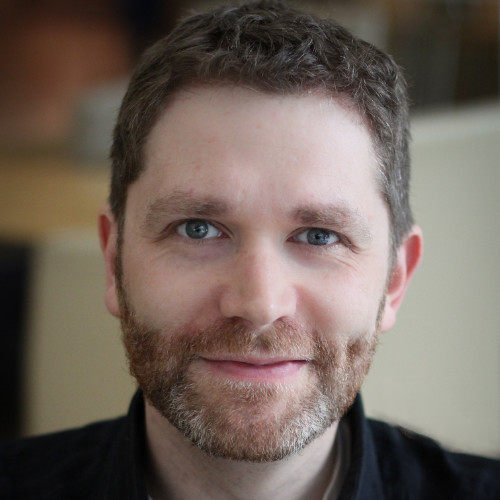
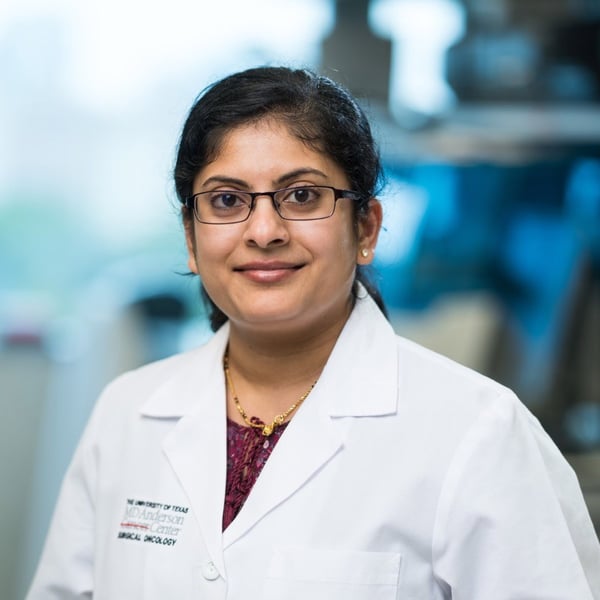
Multi-Omics & Applications Program Speakers
Who should attend
Omics Team
Translational Scientists
Bioinformaticians
Spatial biology specialists
Single-cell experts
Clinical genomics teams
Genomic biomarker researchers
Proteomics specialists
Technology providers

How it connects
Multi-Omics focuses on omics technologies and their applications, and on integrating molecular layers to find new signals and develop them into precision therapeutics. Biomarkers & CDx takes those signals toward validated tests, Computational Pathology adds the tissue view, and AI, Data & Analysis provides the methods to make sense of the data.
Frequently Asked Questions
How do we turn spatial and multi-omics data into clinical decisions?
What are the newest applications of spatial technology?
Where is the value in integrated single-cell and spatial analysis?
How can multi-omics become a core part of pharma R&D?
By moving from one-off studies to scalable, integrated workflows. Sessions cover scaling spatial technologies, tools for spatial samples, integrating platforms, and combining AI with organoid and foundation models, plus how spatial, single-cell and omics data can feed target validation and biomarker development.
When and where is the Multi-omics program at Precision Medicine East?
Spatial Multi-Omics 2026 Agenda at a Glance
DAY ONE
Track 2: Emerging Multi-Omics Platforms and Applications: Genomics & Transcriptomics
Track 3: Spatial Biology for Therapeutic Discovery & Development (Oncology & Immunology)
DAY TWO
Track 1: Emerging Multi-Omics Platforms and Applications: Proteomics, Epigenomics & MetabolomicsTrack 2: Spatial Biology for Therapeutic Discovery & Development