



Breaking Down Silos. Connecting Expertise. Accelerating Patient Impact.

Computational Pathology, AI & Precision Diagnostics Program at Precision Medicine East


, ,

The Computational Pathology, AI & Precision Diagnostics program covers digital pathology and AI, from building foundation models to putting them to work in pharma R&D. It is for pathologists, digital pathology leads, diagnostics companies and clinicians.

Session Themes

Foundation Models, LLMs & AI in Personalized Healthcare
How foundation models, large language models and AI combine multimodal data to support more accurate diagnosis, biomarker discovery and personalized treatment.

Computational Pathology in Pharma R&D
How computational pathology speeds up drug development through advanced tissue analysis, biomarker discovery, patient stratification, target identification and efficacy assessment.

Computational pathology in Boston

New to Boston in 2027, Computational Pathology at Precision Medicine East draws on some of America's longest-standing academic medical centers and biopharma institutions.

The focus is translational: clinical validation of AI-derived biomarkers, combining histopathology with molecular data, and bringing AI into clinical workflows, so computational insights become clinically meaningful tools.

Boston Skyline

The questions facing computational pathology in 2027

Pathology is where tissue, molecules and data meet.

Building on Boston's established spatial biology programme, the addition of computational pathology brings complementary expertise in tissue image analysis, connecting spatial molecular insights with tissue morphology to deepen our understanding of disease biology.

Foundation models are enabling new approaches for analysing whole-slide images, predicting molecular biomarkers and connecting tissue morphology with molecular and clinical data. The open question is demonstrating their reliability in practice: validation across institutions, consistent performance on real-world samples and effective integration into research and clinical workflows.

At Precision Medicine East, the program runs alongside Biomarkers & CDx; Multi-Omics Development & Applications; and AI, Data & Analysis, so pathologists, spatial biologists and data scientists can tackle those questions together.

Who should attend

Pathologists

Digital pathology leads  

Diagnostics companies 

Clinicians

AI and imaging teams

Computational pathology teams

Bioinformaticians

Pathology workflow providers

Comp Path Who Should Attend Image

Featured Speakers from Computational Pathology, AI & Precision Diagnostics US 2026
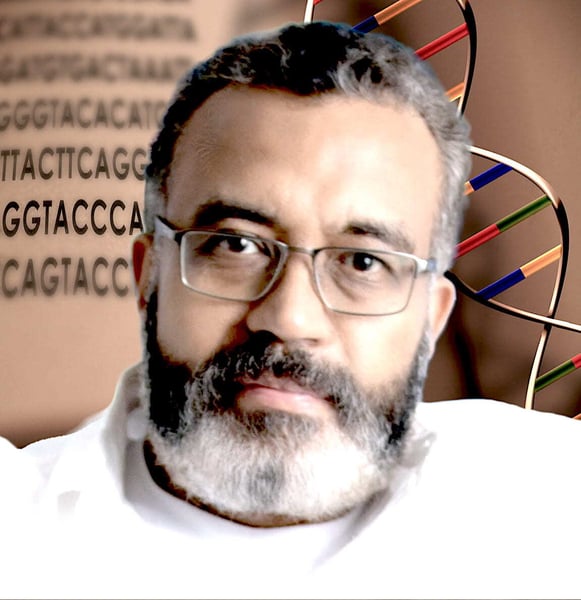
Ahmed Fadiel
Director, Computational Oncology Unit,
The University of Chicago Comprehensive Cancer Center
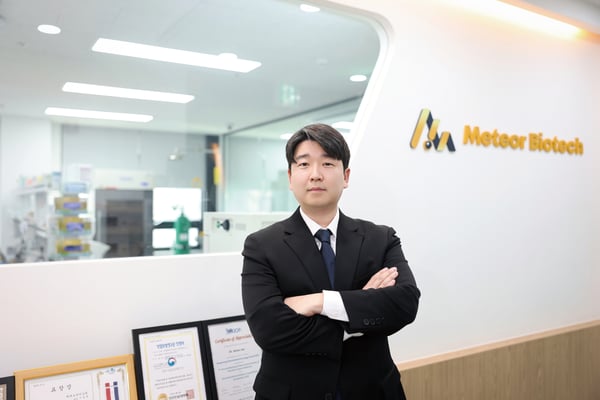
Amos Lee
Chief Executive Officer,
Meteor Biotech
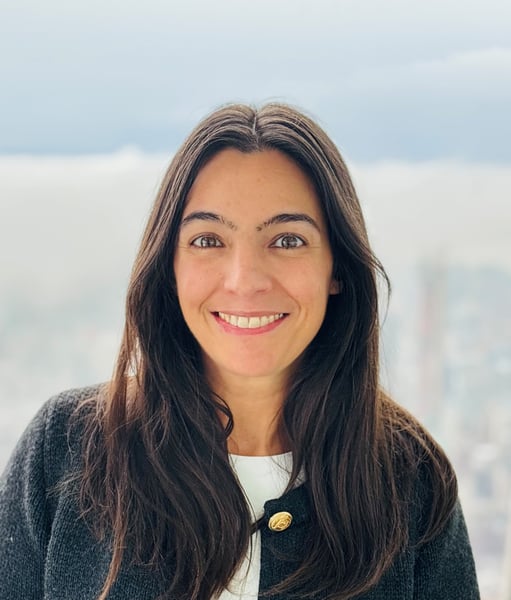
Carmen Ballesteros-Merino
Senior Principal Scientist,
Bristol Myers Squibb
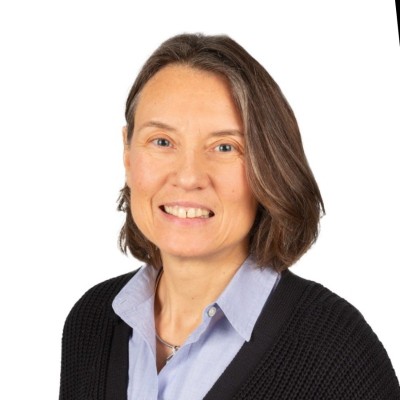
Catherine Tribouley
Director, Precision Medicine,
Abbvie
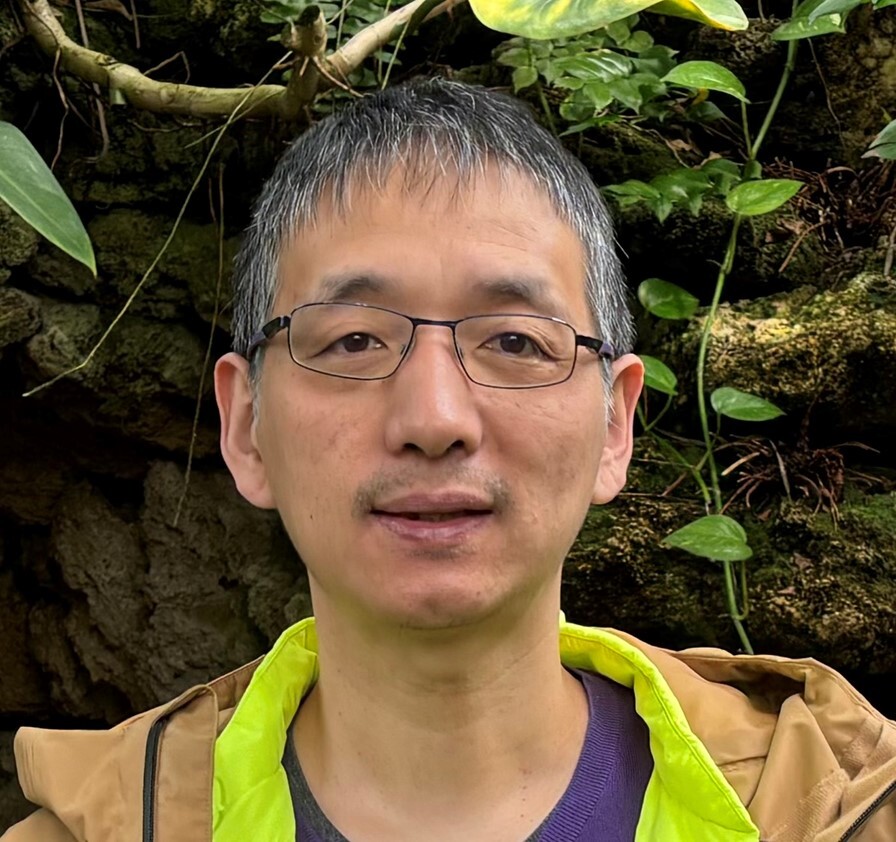
Changhong Song
Team Leader, OCEA: Office of Clinical Evidence and Analysis,
FDA
Cheng Cui
Senior Translational Regulatory Affairs Director,
AstraZeneca
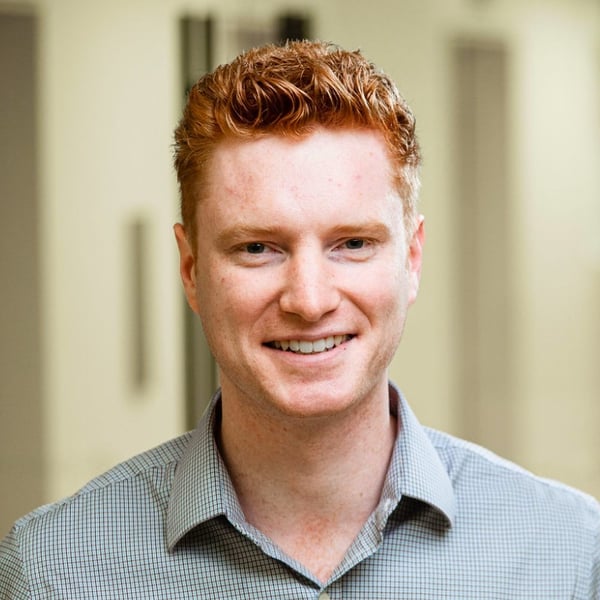
Coleman Stavish
Chief Technology Officer,
Proscia
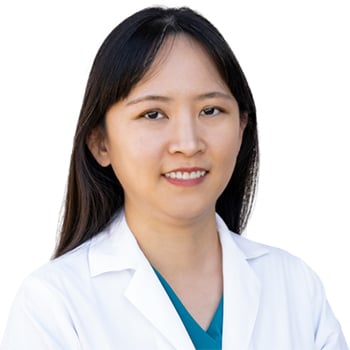
Evita Sadimin
Associate Professor, Pathology Informatics and Urological Pathology; Division Chief, Pathology Informatics and Data Science,
City of Hope National Medical Center
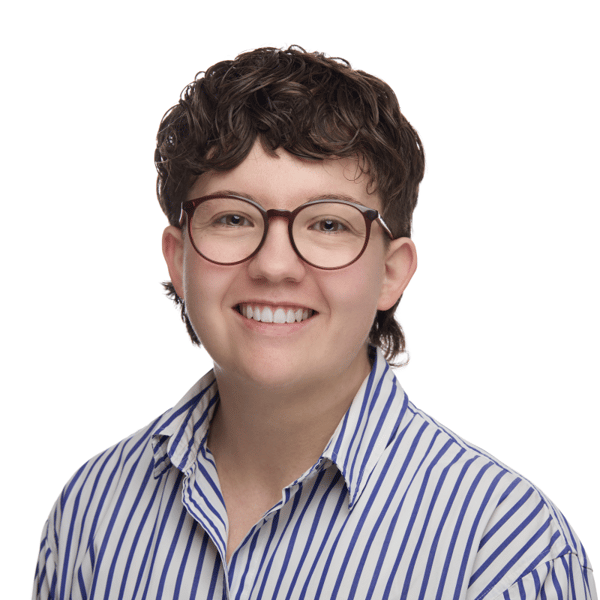
Georgia Cresswell
Research Services Business Development Manager,
Patholytix
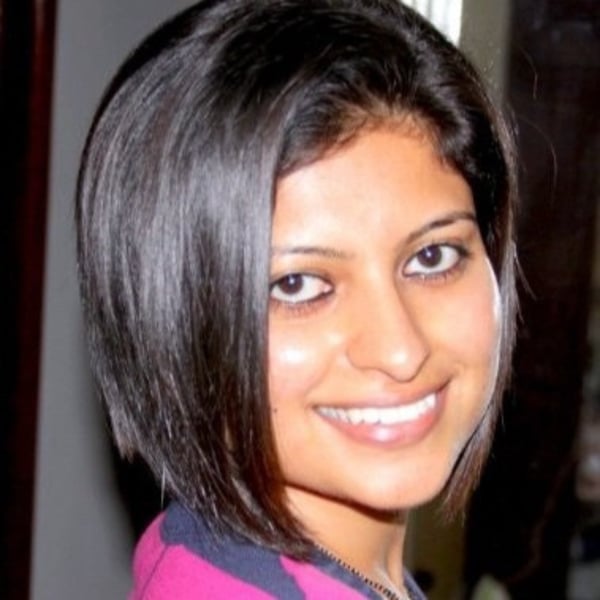
Guneet Walia
Senior Director, Data Science & Digital Health,
ex-Johnson & Johnson Innovative Medicine
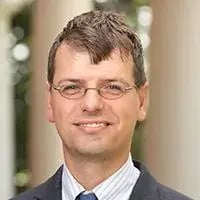
Gustavo Rohde
Mac Wade Professor of Engineering,
University of Virginia
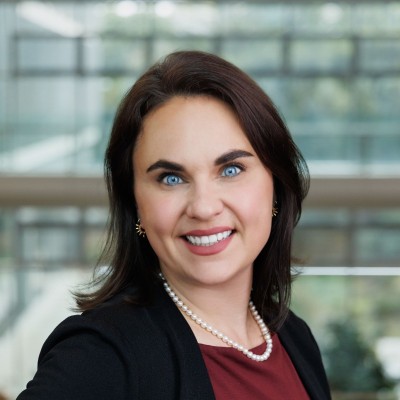
Jennifer Giltnane, MD, PhD
Executive Director (Distinguished Scientist) - Translational Pathology & Digital Pathology Strategy,
Merck
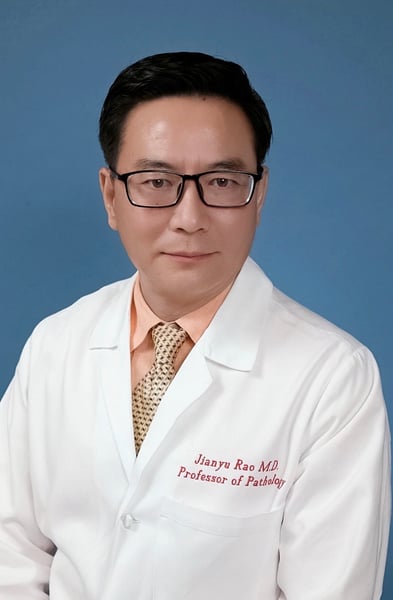
Jianyu Rao
Professor of Pathology and Epidemiology, Vice Chair, Diagnostic Technology Innovation,
University of California, Los Angeles
Julia Ross
Director of Product Management,
ArteraAI
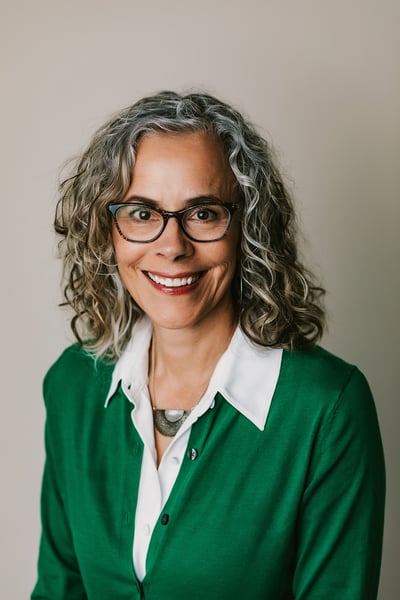
Karen McCullough
Vice President, Oncology Regulatory Strategy,
AstraZeneca
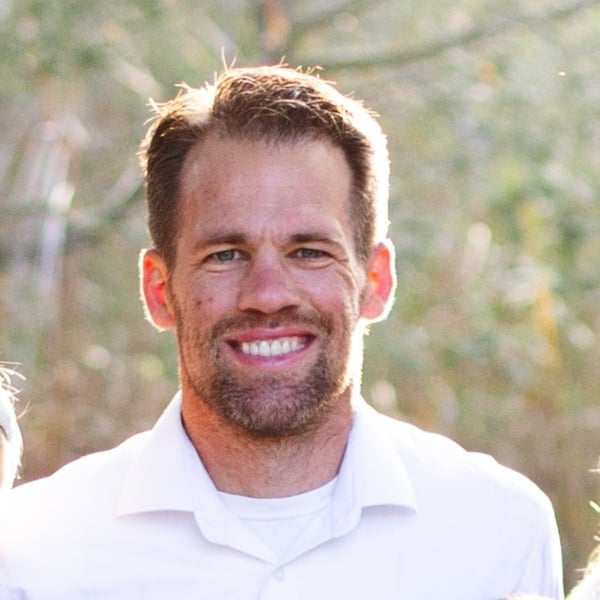
Kristopher Standish
Senior Director, Data Science, AI/Computer Vision,
Johnson & Johnson

Lana Garmire
Professor and Vice Chair of Research,
University of Alabama at Birmingham
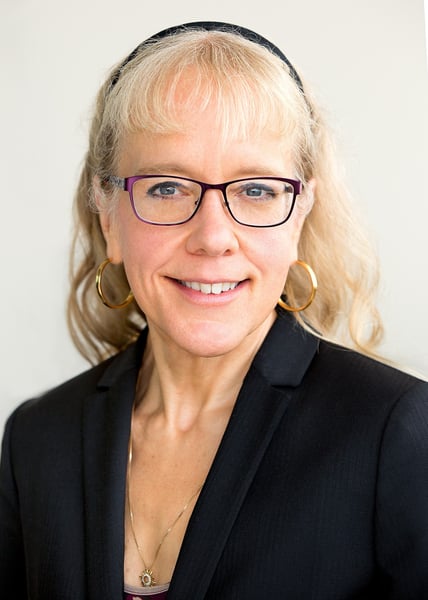
Lauri Diehl
Executive Director Pathobiology,
Gilead Sciences
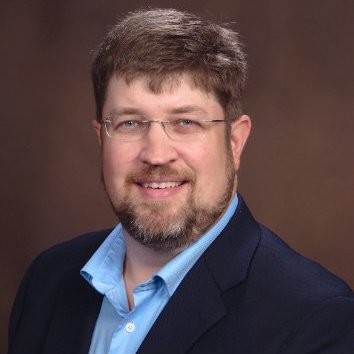
Mark Gustavson
Senior Director, Computational Pathology,
AstraZeneca
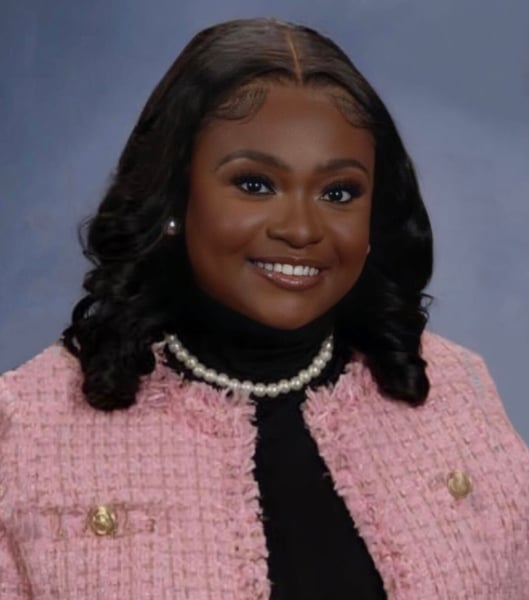
Merlinda-Loriane Sewavi
CEO,
Syntheia Labs
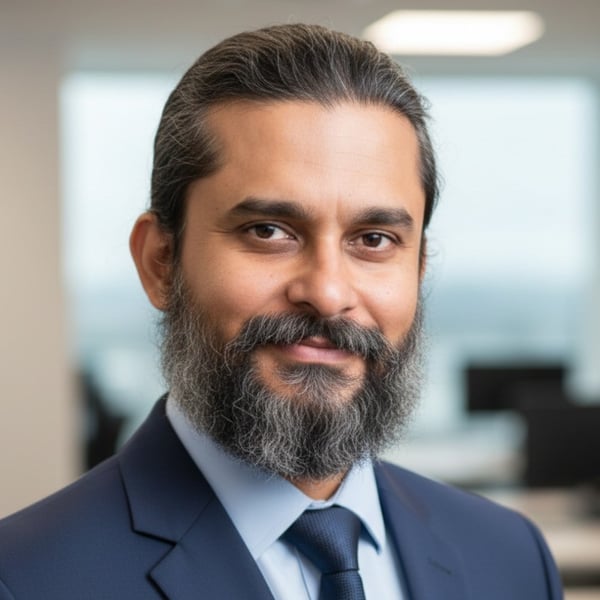
Prasun Mishra
Chief Executive Officer,
Longevica Therapeutics
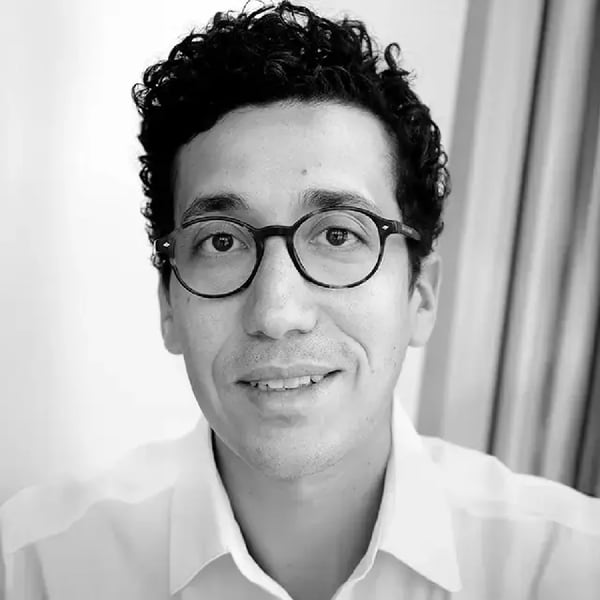
Razik Yousfi
SVP and GM of AI Products,
Tempus
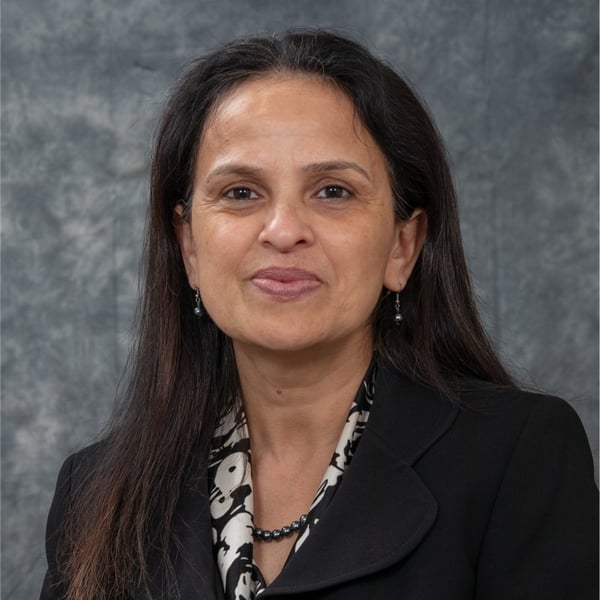
Reena Philip
Executive Director, Regulatory Liaison, Companion Diagnostics / In Vitro Diagnostics,
Merck
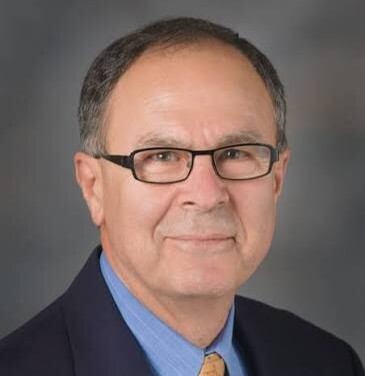
Samir M. Hanash
Professor, Clinical Cancer Prevention,
MD Anderson Cancer Center
Sandro José de Souza
Chief Scientific Officer & Professor of Bioinformatics ,
DNA GTX Group & Federal University of Rio Grande do Norte
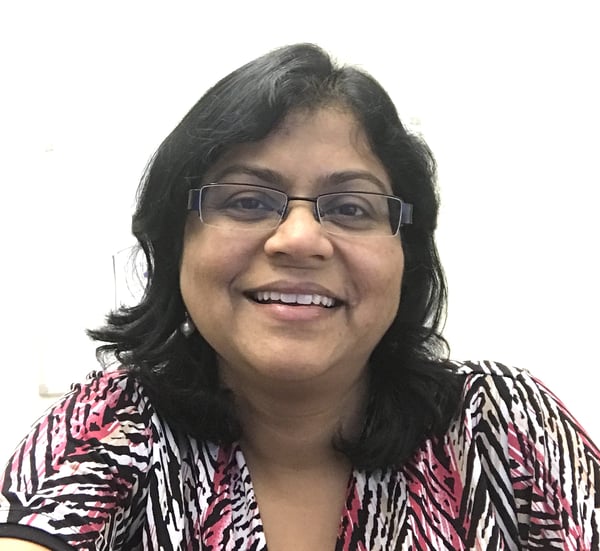
Soma Ghosh
Division Director, DMGP, Office of In Vitro Diagnostics ,
FDA
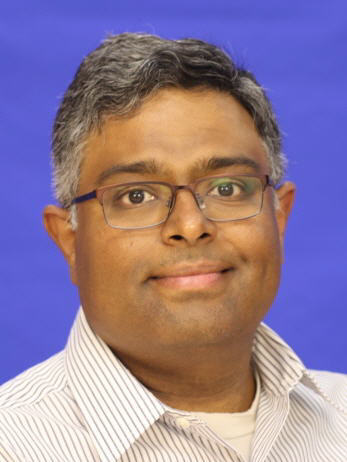
Sripad Ram
Director Digital Pathology and Image Analysis Group,
Pfizer Inc
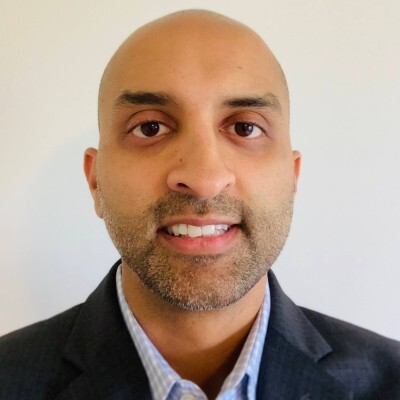
Sriram Sridhar
Senior Director Translational Research and Data Science,
Genmab
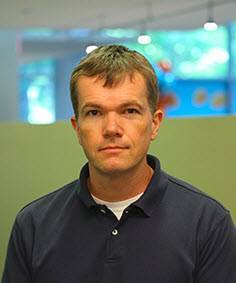
Stefan Hamann
Senior Principal Scientist,
Boehringer Ingelheim RCV GmbH & Co KG
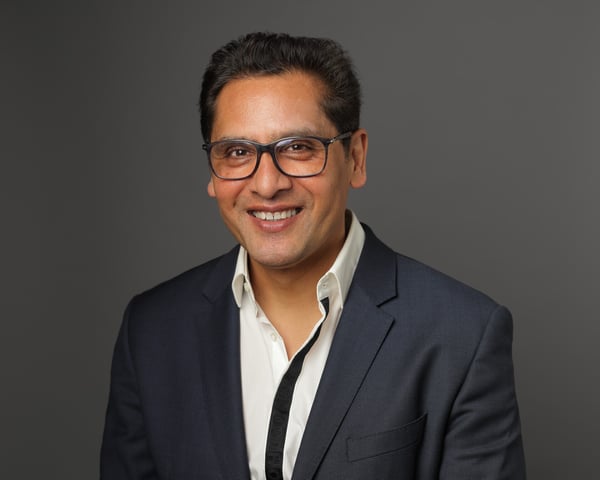
Subham Basu
Commercial Lead,
Nexomic
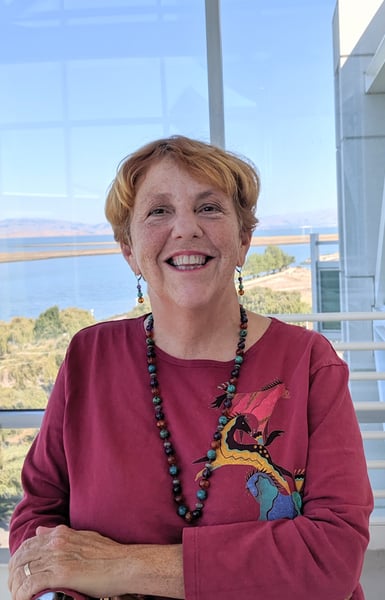
Suzanne Coberly
Senior Director, Research Pathology,
Bristol Myers Squibb

How it connects

Computational Pathology is the most specialized, tissue-centered program: it is built around what tissue images, foundation models and LLMs can reveal. The other programs take those insights into biomarker and therapy development. 

Computational Pathology, AI & Precision Diagnostics Program Speakers

Frequently Asked Questions

Where can AI-based pathology fit into large-scale R&D, and who signs it off?
Across preclinical discovery, translational research, biomarker discovery, patient stratification and clinical development. Adoption depends on showing scientific value, fitting tools into existing workflows and winning buy-in from pathology, research, data science and development teams. The Computational Pathology in Pharma R&D track brings industry and academic experts together on exactly this.
How are foundation models and LLMs changing personalized healthcare?
They create new ways to use clinical data, improve predictive pathology and speed up personalized treatment. The dedicated track looks at both the opportunities and the practical challenges of deploying them, from patient stratification and biomarker discovery to predicting safety and efficacy.
When will computational pathology reach the clinic, and who will take that step?
There's no single adoption date. Progress depends on demonstrating value, establishing reliable diagnostic approaches and embedding tools in clinical and pharma workflows, through collaboration between pathologists, technology specialists, pharma companies and clinical institutions. The program brings all of those perspectives together.
What do pathologists need from technology specialists?

Tools that address real research problems, integrate complex biological data and give results that can be interpreted in a scientific context. That takes close collaboration between pathology experts and technology teams, which the program's foundation model and computational pathology sessions are built to encourage.

When and where is the Computational Pathology program at Precision Medicine East?
March 23–24, 2027, at the Sheraton Boston Hotel. Session times will be on the agenda. 

Be part of the conversations shaping
the future of medicine.


, ,

Spatial Multi-Omics 2026 Agenda at a Glance

DAY ONE 

Track 2: Emerging Multi-Omics Platforms and Applications: Genomics & Transcriptomics 
Track 3: Spatial Biology for Therapeutic Discovery & Development (Oncology & Immunology) 

DAY TWO 

Track 1: Emerging Multi-Omics Platforms and Applications: Proteomics, Epigenomics & Metabolomics 
Track 2: Spatial Biology for Therapeutic Discovery & Development

Decision 1

Sentence describing Decision 1

Decision 2

Sentence describing Decision 2