






Precision Medicine East 2027

March 23 – 24, 2027
Sheraton Boston Hotel, MA
Sheraton Boston Hotel, MA









Elaine Joseph
Director, Precision Medicine,
AstraZeneca

Enrico Mossotto
Senior Director,
MeiraGTx

Giorgio Gaglia
Head of Systems Biology,
Sanofi US R&D

Jing He
Associate Director,
Novo Nordisk

Zora Modrusan
Senior Director of Genomics,
Genentech

Aarno Palotie
Research Director of the Human Genomics Program,
The University of Helsinki, Institute for Molecular Medicine Finland FIMM

Aaron Berlin
Chief Technology Officer,
Singular Genomics

Abeer Obaid
Senior Scientist,
Abbvie

Aditi Singh
Director of Bioinformatics,
Wayne State University

Ahmet Coskun
Professor of Biomedical Engineering,
Georgia Institute of Technology

Alex Tamburino
Director, Spatial & Single Cell Multiomics,
Merck & Co

Ali Ebrahimi
Associate Director,
Takeda

Alina Ainbinder
Principal Scientist,
Takeda

Amanda Dy
Reseacher,
Toronto Metropolitan University

Amit Mitra
Associate Professor,
Auburn University

Andrew Owens
Application Scientist,
Mission Bio

Anita Bansal
Associate Director, Lead Translational Bioinformatics,
UCB Pharma
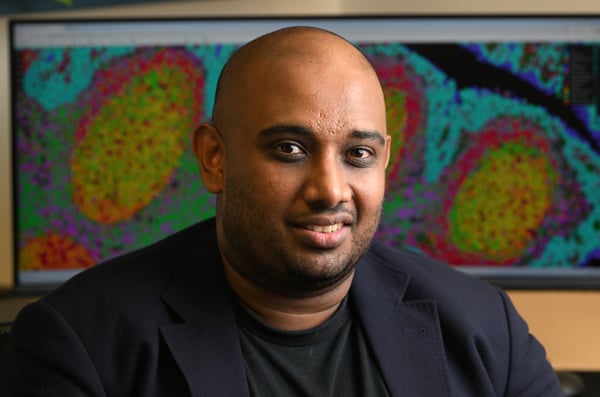
Arutha Kulasinghe
Associate Professor,
The University of Queensland

Ashot Harutyunyan
Academic Associate,
McGill University

Aziz Al'Khafaji
Director, Molecular R&D - Genomics Platform,
Broad Institute of MIT and Harvard

Banishree Saha
Associate Director, Global Biomarker and Assay Analytical Lead,
Takeda Pharmaceuticals

Bharat Thyagarajan
Associate Professor,
University of Minnesota

Carina Emery
Lead Product Manager,
Miltenyi Biotec

Carol Hu
Senior Scientist,
Merck Research Laboratories

Chandra Saravanan
Pathologist,
Novartis Pharma

Chanyoung Park
Research Scientist,
Stellaromics

Colles Price
Co-Founder & Chief Executive Officer,
TALOX

Daniel Carney
Sales Director,
Fovus

Daniel Jones
Staff Scientist,
Fred Hutchinson Cancer Research Center

David Gallegos
Senior Scientist,
Takeda

Di He
Senior Scientist,
Merck

Dr. Deepak Veeregowda
Chief Executive Officer,
QT Sense

Dulguun Amgalan
Staff Scientist,
Illumina AI Lab

Emre Arslan
Associate Director,
Takeda

Eugenia Lyashenko
Senior Principal Scientist, Lab Head,
Sanofi

Fei Chen
Principal Investigator & Assistant Professor,
Broad Institute

Fei Zou
Professor,
University of North Carolina

Fengbo Ren
Founder and CEO,
Fovus

Gabor Balazsi
Henry Laufer Professor,
Stony Brook University

Gervaise Henry
Vice President, Solutions Engineering,
Manifold AI

Gloria Pryhuber
Professor, Department of Pediatrics, Neonatology (SMD),
URMC

Greg Warner
Senior Field Applications Scientist,
Cell Signaling Technology

Gregory Mendez
Principal Scientist,
Sanofi

Gulpreet Kaur
Chief Businesss Officer,
Elucidate Bio

Hagai Marmor-Kollet
Investment Associate,
aMoon Fund

Hansueli Meyer
Senior Director, Site Leader and Head of Systems Integration Spatial Technologies,
Miltenyi Biotec

Heather Knight
Senior Scientist I,
Abbvie

Hua Li
Director of Computational Biology,
Stowers Institute for Medical Research

Ioannis Ragoussis
Professor,
McGill University

Irene Ghobrial
Professor of Medicine, Senior Vice President of Experimental Therapy, Lavine Family Chair for Preventative Cancer Therapy,
Dana-Farber Cancer Institute

Isabella Polic
Graduate Student,
The University of Texas MD Anderson Cancer Center

Iulian Pruteanu-Malinici
Senior Director Bioinformatics,
Flagship Pioneering/Pioneering Medicines

Ivan Lebedev
President,
Verdant Center for Spatial Biology

Jackson Brougher
Assistant Professor & Space Health Research Scientist,
Translational Research Institute For Space Health

Jan Schejbal
Senior Scientist II,
AbbVie

Jeff Byland
Senior Science & Technology Advisor,
10x Genomics

Jeff June
Chief Executive Officer,
Ischemia Care

Jennifer Frahm
Director, Field Application Scientist,
Standard BioTools Inc.

Jia-Ren Lin
Technical Director of Tissue Imaging,
Harvard Medical School

Jiang He
Vice President,
Vizgen

Jiwoon Park
Founder of the Spatial Atlas of Human Anatomy,
Weill Cornell Medicine

Joann Arce
Assistant Professor,
Boston Children's Hospital, Harvard Medical School

Jochen Lennerz
Chair,
EFLM Task Group on Integrated Diagnostics

Joseph Beechem
CSO & Sr. VP of Research & Development,
Bruker Spatial Biology

Kisha Sivanathan
Senior Scientist,
AstraZeneca

Leonard Lipovich
adjunct professor,
Kean University

Madhumala Sadanandappa
Scientist,
Dartmouth Health

Mahmud Hossain
Senior Scientist II,
Sanofi

Manisha Brahmachary
Associate Director,
Sanofi USA

Manoj Kandpal
Director of Research Bioinformatics,
The Rockefeller University

Maria Forero
Senior Advisor,
Accelmed

Nicolas Fernandez
Senior Computational Scientist,
Broad Institute of MIT and Harvard

Nir Ben Chetrit
Assistant Professor,
Weill Cornell Medicine

Pei Chen
Principal Scientist,
BMS

Qingqing Wang
Associate Director,
Regeneron

Rea Dabelic
Sr Staff Product Manager,
Illumina

Sahil Seth
Principal Scientist,
Bristol Myers Squibb

Samouil Farhi
Director, Spatial Technology Platform,
Broad Institute

Samuel Harrison
Technology and Application Science,
Miltenyi Biotec

Sara Hamon
Executive Director, Precision Medicine,
Regeneron Pharmaceuticals

Saum Ghodoussipour
Associate Professor,
Rutgers University

Shanye Yin
Assistant Professor,
Albert Einstein College of Medicine

Sharvari Gujja
Data Scientist, Abbvie,
Abbvie Inc.

Shoh Asano
Senior Principal Scientist,
Pfizer

Silvia Siso
Pathologist,
Abbvie
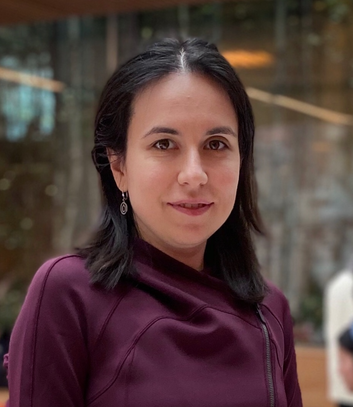
Simona Cristea
Head of Genomics and AI,
Dana-Farber Cancer Institute

Sindi Nexhipi
PostDoc,
DKFZ

Sophia George
Professor,
University of Miami

Soumya Negi
Senior Advisor,
Eli Lilly

Sourav Choudhury
Group Head, Distinguished Scientist,
Sanofi

Stephen Baylin
Head of the Cancer Genetics and Epigenetics Program,
Sidney Kimmel Comprehensive Cancer Center at Johns Hopkins

Steven Barthel
Assistant Professor of Dermatology,
Harvard Medical Scool, Mass General Brigham

Suhas Vasaikar
Associate Director,
Pfizer Ltd

Sunhwa Kim
Associate Scientific Director,
AbbVie

Terry Melim
Sr Research Analyst,
Abbvie

Tes Mersha
Professor,
Indiana University School of Medicine
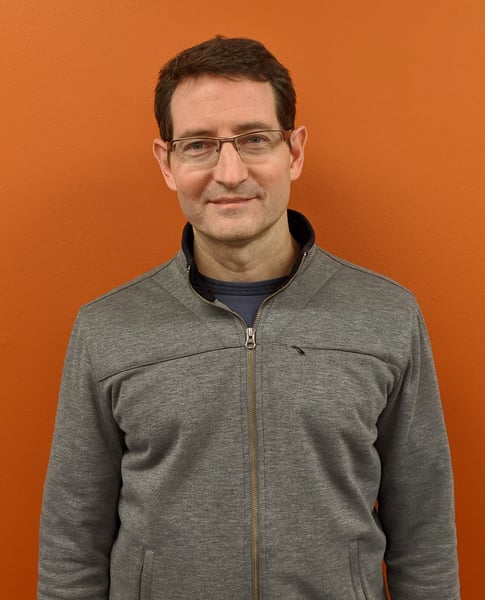
Tad Geroge
Sr VP Biology R&D,
RareCyte Inc

Tibby Duan
Senior STOmics Product Manager,
Complete Genomics

Tim Harris
Venture Partner,
SV Health Investors

Unsubscribe me
Chief Executive Officer,
AmberGen

Uttiya Basu
Professor,
Columbia University

Vinay Mohta
Chief Executive Officer & Co-Founder,
Manifold AI

Virginia Savova D
Strategic And Scientific Advisor,
Scailyte AG

Vitalay Fomin
CEO,
Numenos

William Henley
Co-Founder and VP of Research & Innovation,
Codetta Bio
%20Gao.jpg?length=600&name=Shou-Jiang%20(SJ)%20Gao.jpg)
Xian Wang
Research Project Manager,
University of Pittsburgh

Xuyu Qian
Assistant Professor, Department of Pediatrics, Division of Neurology,
Children’s Hospital of Philadelphia, Perelman School of Medicine, University of Pennsylvania

Yea Jin Kaeser-Woo
Senior Director,
Eli Lilly and Company

Yufei Huang
Professor,
University of Pittsburgh

Zongmei Gao
senior scientist ii,
abbvie
Our Esteemed Sponsors for NextGen Omics & Spatial Biology US 2025
Platinum Sponsors

10x Genomics
Platinum Sponsor
10x Genomics was founded on the vision that this century will bring advances in biomedicine and transform the way we understand and treat disease. We deliver powerful, reliable tools that fuel scientific discoveries and drive exponential progress to master biology to advance human health. Our end-to-end single cell and spatial solutions include instruments, consumables, and intuitive software, letting you unravel highly intricate biological systems, while bringing into focus the details that matter most.

Bruker Spatial Biology
Platinum Sponsor
Bruker Spatial Biology, a division of Bruker Corporation, provides advanced spatial molecular biology solutions, including instruments, assays, software, and services to support life sciences research. By integrating technologies from NanoString and Canopy Biosciences, Bruker offers an extensive portfolio designed to meet the diverse needs of global researchers exploring spatial biology.
The CosMx® Spatial Molecular Imager (SMI) enables high-plex detection and analysis of over 6,000 RNAs with single-cell resolution and precise cell segmentation, supported by the cloud-based AtoMx™ Spatial Informatics Platform. The GeoMx® Digital Spatial Profiler is a leading platform for whole-tissue exploration, providing whole transcriptomics and high-plex proteomic readouts. The CellScape™ Precise Spatial Proteomics platform allows for high-plex protein expression analysis at single-cell resolution, using versatile, open-sourced reagents. The nCounter® Analysis System enables rapid quantification of profiling of gene and miRNA expression with high sensitivity.
Together, Bruker Spatial Biology’s solutions are supported by a strong team of scientists, sales, and service associates, along with Canopy Multiomic Services for biopharmaceutical research, assay development, and clinical sample testing.
For more information, visit www.BrukerSpatialBiology.com.
Gold Sponsors

ariadne.ai
Gold Sponsor
ariadne.ai ag is your partner for biomedical image analysis. Our cloud-based, worry-free SPATIAL platform enables the analysis of multiplexed spatial proteomics, transcriptomics and multi-omics data, including precise stitching, registration, segmentation and statistical analyses of cellular neighborhoods. SPATIAL works with any data type, whether you have fluorescence or histopathological staining, 2d or 3d data, or complex cell types such as neurons. Our experienced team of annotators and software engineers will design and implement custom solutions to any image analysis challenge, no matter the tissue, device or assay.

Cell Signaling Technology
Gold Sponsor
CST® is a privately-owned, global company headquartered in Danvers, Mass., USA. Founded in 1999 and still led by research scientists. We are actively engaged in the development of products and technologies that facilitate signaling analysis and mechanistic cell biology and cancer research.
Miltenyi Biotec, Ltd.
Gold Sponsor
For over 30 years, Miltenyi Biotec has been a leader in the development of products that empower the advancement of biomedical research and enable cell and gene therapy. We provide innovative tools to help with your sample preparation, cell isolation, cell culture, and cell analysis needs. Our solutions are designed to support everything from basic research to translational research and clinical application for immunology, stem cell biology, neuroscience, and cancer.

Quantum-Si
Gold Sponsor
Quantum-Si, The Protein Sequencing Company™, is focused on revolutionizing the growing field of proteomics. The Company’s Platinum® Pro benchtop instrument enables Next-Generation Protein Sequencing™ that advances proteomic research, drug discovery, and diagnostics beyond what has been possible with existing proteomic tools. Detecting single amino acids through binding kinetics, the innovative Platinum® Pro benchtop sequencer is highly sensitive to protein variants, enabling deep interrogation of proteins to deliver breakthrough insights.

Singular Genomics
Gold Sponsor
Our recently launched G4X Spatial Sequencer, which is an upgrade to the G4 Sequencing Platform, is designed to offer high throughput in situ direct sequencing of RNA (Direct-Seq™), targeted transcriptomics, and proteomics profiling from formalin-fixed, paraffin-embedded (FFPE) tissues

Vizgen
Gold Sponsor
Vizgen is at the forefront of spatial biology and multi-omics innovation. Through its pioneering MERFISH technology and MERSCOPE® Platform for in situ single-cell spatial genomics and its high-fidelity InSituPlex® protein assays and AI-driven STARVUE™ spatial image analysis technology, Vizgen delivers unmatched tools that enable researchers to uncover deep insights into human biology and achieve breakthroughs in understanding mechanisms of complex diseases. Vizgen’s technology delivers high-confidence, quantitative data with exceptional accuracy, robustness, sensitivity and deep insights that power foundational and clinical research. Vizgen is headquartered in Cambridge, Massachusetts, and can be found online at www.vizgen.com and www.ultivue.com. Connect on social media Twitter, LinkedIn and Facebook.
Silver Sponsors

ACD, Bio-Techne
Silver Sponsor
ACD - a Bio-Techne brand, is a pioneer and leader in the advancement of spatial genomics and clinical applications by unlocking the power of RNA and developing cell- and tissue-based research and diagnostic tests for personalized medicine.
Based in Silicon Valley, ACD’s proprietary RNAscope™ technology, the first multiplex fluorescent and chromogenic in situ hybridization platform, enables detection and quantification of single RNA molecules in situ. Our portfolio includes, RNAscope, BaseScope™, miRNAscope™ and HiPlex™ v2. With over 50,000 probes and our Professional Assay Services, we enable rapid assessment of unique targets. Since launch in 2011, the technology boasts 10,000+ citations, with new peer reviewed publications daily.
Based on proprietary technology, ACD’s RNAscope Technology, the first multiplex fluorescent and chromogenic in situ hybridization platform enables detection and quantification of RNA in situ at single molecule sensitivity.

Ardigen S.A.
Silver Sponsor
Ardigen is a leading AI Contract Research Organisation (CRO) dedicated to increasing the success rate of drug discovery. Recognized among the top 5% of AI in drug discovery companies worldwide, Ardigen integrates expertise in biology, bioinformatics, machine learning, and software engineering to deliver advanced computational solutions exclusively tailored for the biotechnology and pharmaceutical sectors. Over the past 10 years, we have earned the trust of over 120 clients, including 15 major pharmaceutical companies, by providing exceptional in silico research and data engineering services.

Complete Genomics
Silver Sponsor
Complete Genomics is a pioneering life sciences company offering innovative, comprehensive sequencing solutions, including sample/library preparation, lab automation, sequencing, and data analysis. Our sequencing portfolio features a full range of sequencers designed to meet low, medium, and high throughput needs, all powered by our proprietary DNBSEQ technology. To date, over 9,700 publications have utilized DNBSEQ technology across a broad spectrum of applications.
As the exclusive distributor of STOmics products in North America, Complete Genomics provides access to Stereo-seq technology—the only spatial transcriptomics solution worldwide capable of exploring the entire transcriptome at true single-cell resolution.
To learn more, visit https://www.completegenomics.com

GENEWIZ from Azenta Life Sciences
Silver Sponsor
As a global leader in R&D genomics services, GENEWIZ from Azenta Life Sciences, leads the way in providing superior data quality with unparalleled technical support to enable researchers around the world to advance their scientific discoveries faster than ever before.
Our customers at top-tier pharmaceutical, biotechnology, and academic institutions, as well as cutting-edge start-ups, rely on our proprietary technologies for consistent, reliable, high-quality data, even on the most difficult projects. A full-service provider, we provides Sanger DNA sequencing, gene synthesis, molecular biology, high throughput/next generation sequencing, bioinformatics, and GLP regulatory services.

Hamilton
Silver Sponsor
Hamilton Company specializes in the development, manufacturing and customization of precision measurement devices, automated liquid handling workstations, and sample management systems. Hamilton's processes are optimized for quality and flexibility. Whether it's a custom needle with a quick delivery time frame, a special length pH sensor, or a comprehensive solution to fully automate your assay workflow, trust that Hamilton products will always meet your needs.
Hamilton Company has been a leading global manufacturer for more than 60 years, with headquarters in Reno, Nevada;Franklin, Massachusetts;Timișoara, Romania;Bonaduz, Switzerland;and subsidiary offices throughout the world.


Lunaphore Technologies SA, a Bio-Techne company
Silver Sponsor
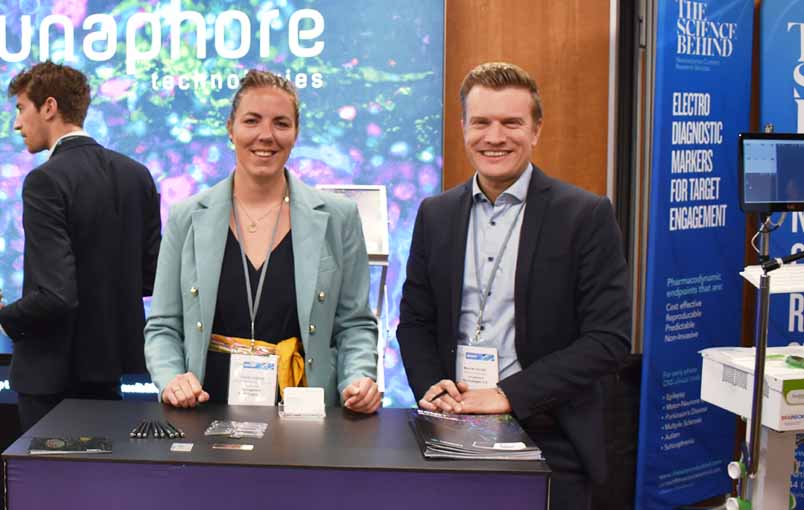
Lunaphore Technologies S.A. – a Bio-Techne brand, is a Swiss company born in 2014 with the vision of enabling spatial biology in every laboratory. Lunaphore provides solutions based on a game-changing chip technology that can extract spatial proteomic and transcriptomic data from tumors and other tissues, transforming any assay into multiplex spatial biology through a streamlined and easily integrated process. Lunaphore empowers researchers in immunology, immuno-oncology, and neuroscience to push the boundaries of scientific discovery and drug development. Lunaphore’s technology enables the identification of biomarker “signatures” with clinical relevance to support the development of diagnostic tools and streamline clinical trials, to ultimately improve patient outcomes. For further information on Lunaphore and its products, please visit https://lunaphore.com.

Navinci
Silver Sponsor
Navinci is a Swedish biotech company specializing in developing innovative solutions for studying protein interactions. With a focus and a strong legacy in developing in situ proximity ligation assay technology, Navinci has established itself as a center of excellence in the field and has a broad portfolio of products that help researchers study protein interactions in depth.

NeoGenomics Laboratories
Silver Sponsor
NeoGenomics is a premier cancer diagnostics company, specializing in cancer genetics testing and information services. We offer one of the most comprehensive oncology-focused testing menus across the cancer continuum, serving oncologists, pathologists, hospital systems, academic centers, and pharmaceutical firms with innovative diagnostic and predictive testing to help them diagnose and treat cancer. We partner with pharmaceutical clients from discovery to commercialization with broad oncology testing capabilities powered by in-house scientific expertise and dedicated project support teams. Our clients benefit from our state-of-the-art molecular technology, from whole exome sequencing, whole transcriptome sequencing, HLA typing, and the proprietary MultiOmyx™ high-order multiplexing methodology.

Olink
Silver Sponsor
Olink offers an unmatched high-multiplex technique to identify actionable biomarkers, with a strong focus on the human plasma proteome. Using minimal sample volume we provide quantifiable results with high-throughput, exceptional sensitivity and specificity, with coverage across a broad dynamic range. Our mission is to accelerate proteomics together with the scientific community across multiple disease areas to enable new discoveries and better understand complex real-time human biology. We are committed to develop our offering and are continuously expanding our protein coverage for a growing number of biological processes and pathways.
Olink is well-established in Europe (HQ Uppsala, Sweden) and the USA (HQ Boston, MA), with a rapidly developing presence across Asia. We also work with a growing number of core labs around the world offering analysis and support to an expanding global customer base.

Parse Biosciences
Silver Sponsor
Parse Biosciences is a Seattle-based company with the mission of accelerating progress in human health and scientific research. At the core of our company is our pioneering approach for single cell sequencing. Single cell sequencing has already enabled groundbreaking discoveries which have led to new understandings of cancer treatment, tissue repair, stem cell therapy, kidney and liver disease, brain development, and the immune system.

Sapient Bioanalytics
Silver Sponsor
Sapient is a leader in multi-omics discovery, providing bespoke services for proteomics, metabolomics, lipidomics data generation and delivering insights that enable biopharma sponsors to go beyond the genome to accelerate precision drug development.
Utilizing cutting-edge, high throughput mass spectrometry, we make nontargeted and targeted measurements to capture thousands of dynamic biomarkers – including proteins, metabolites, and lipids – per sample, across thousands of samples at a time. We pair this with advanced biocomputational frameworks enabling comprehensive biomarker-phenotype mapping and integrative analyses with other omics and real-world data.
Aided by our proprietary Human Biology Database — comprising data from tens of thousands of samples in which we can mine for and validate biomarkers and targets — we can support rapid drug target identification, biomarker discovery and validation, and translational insights across all stages of drug development, including clinical trials.

Scale Biosciences
Silver Sponsor
Scale Biosciences is at the forefront of a new era in single cell research, providing scientists with the tools they need to push the boundaries of biological discovery. Our innovative platforms combine accessibility, flexibility, and scalability, allowing researchers to design experiments that fit their unique scientific objectives without compromising on quality or results. By enabling the analysis of up to millions of cells and the multiplexing of hundreds of samples, Scale Bio empowers scientists to generate rich, comprehensive datasets that can unlock new insights into complex biological systems. We are dedicated to collaborating with the scientific community to drive innovation and accelerate breakthroughs in single cell-omics. Join Scale Bio on this transformative journey and help unleash the full potential of single cell research today.

Single Cell Discoveries
Silver Sponsor
Single Cell Discoveries is a Contract Research Organization (CRO) specializing in innovative single-cell sequencing technologies, multi-omic applications, and spatial transcriptomics. Single Cell Discoveries delivers high-impact insights to biopharmaceutical companies, healthcare systems, and academic research centers worldwide. Single Cell Discoveries' mission is to accelerate groundbreaking research by developing and providing state-of-the-art single-cell technologies as a service.
.jpg?length=600&name=a396bca6-7435-42de-8524-0ee4844b758e-2-5668375logo-standardbio-color-logo-blue-outline-blue-TM-(2).jpg)
Standard BioTools
Silver Sponsor
Standard BioTools™, previously known as Fluidigm®, is driven by a bold vision – Unleashing tools to accelerate breakthroughs in human health. Standard BioTools provides an established portfolio of essential, standardized technologies that empower customers to scale and accelerate their life sciences research. From interrogating cell function and cancer-immune cell interactions to confidently determining new biomarkers or integrity of samples, Standard BioTools promotes the development of breakthrough medicines faster and better through the delivery of consistent, reliable and repeatable results.
Bronze Sponsors

Aspect Analytics
Bronze Sponsor
Aspect Analytics develops enterprise software to analyze and integrate spatial omics data. Spatial technologies are steadily maturing into a key enabler in drug development, biomarker discovery, and life science research. With spatial omics datasets commonly generating tens to hundreds of gigabytes of complex data in a single experiment, data analysis is becoming a critical bottleneck in the adoption of this emerging technology. Aspect Analytics bridges the gap between algorithmic development in bioinformatics research and enterprise-grade software platforms to support key spatial omics-based applications. Our software can (i) extract maximal knowledge from spatial data, including co-registration with different modalities, (ii) scale up for high-throughput applications and (iii) provide integrated data management, traceability and more. Aspect Analytics enables breakthrough research and facilitates cross-disciplinary teamwork by bringing spatial multi-omics data into a single view, collaborative platform.

Atrandi Biosciences
Bronze Sponsor
Atrandi Biosciences is a pioneering life sciences tool company transforming single-cell analysis with Semi-Permeable Capsule (SPC) technology. SPCs redefine how single-cell research is done, enabling multi-step, high-throughput workflows while maintaining true single-cell resolution. Unlike conventional methods, SPCs allow researchers to perform multiomic assays seamlessly, unlocking deeper insights into biology. Founded by leading scientists and driven by a mission to simplify research and advance discovery, Atrandi is shaping the future of single-cell analysis and empowering scientists worldwide.

Beckman Coulter
Bronze Sponsor
We are a life sciences company that provides an extensive portfolio of solutions for workflow innovation, lab automation of routine tasks/complex methods, and software solutions to advance your research.
Our lab automation solutions and genomic reagents portfolio facilitate seamless processes for DNA/RNA clean-up, size selection, extraction, and sample preparation for NGS, RNA-seq, and single-cell transcriptomics. By integrating our advanced solutions into your lab, you can achieve high-quality, reproducible data, empowering your AI and machine learning models.

Becton Dickinson Biosciences
Bronze Sponsor
BD is a leading medical technology company that benefits countless lives worldwide. We advance health by improving the ways that discovery, diagnostics and delivery of care are conducted. With 45,000 employees at work in more than 50 countries, we work in close collaboration with customers and partners to develop innovative products and solutions that enhance outcomes, better manage healthcare delivery costs, increase efficiencies, improve healthcare safety, and expand access to health. Because we’ve been doing this for over 100 years, our portfolio, leadership and partnerships make a difference for global healthcare. For more information, please visit: www.bdbiosciences.com

CS Genetics
Bronze Sponsor
CS Genetics delivers simplicity in a world of complex, time-consuming and expensive single cell genomics workflows. Our nimble, experienced team understands that tomorrow’s discoveries require technology that is simple to adopt and easy to use with near-limitless scalability.
Our transformative new technology for single cell genomics replaces complex hardware and manual time-consuming workflows with a simple, instrument-free, solution-based, Kinetic Confinement assay that plugs seamlessly into any molecular biology laboratory. This simplicity also enables an affordable price point so researchers will no longer have to limit the scale of their studies.
.png?length=600&name=23c79081-69ce-4042-a188-0a0e10023652-2-5668375logo-Hawk-(RGB-Full-Colour).png)
Hawk Biosystems
Bronze Sponsor
HAWK Biosystems is an innovative biotechnology company based in Bilbao, Spain, and a spin-off from prestigious institutions such as Cancer Research UK (CRUK) and the Francis Crick Institute in London. Founded in 2018 by an exceptional team of scientists and business leaders, HAWK has rapidly positioned itself at the forefront of spatial biology, providing ground-breaking solutions for the analysis of protein functions in tissue.
At HAWK Biosystems, our mission is to develop advanced diagnostic systems that accelerate the progress of personalized medicine, focusing on critical diseases such as cancer. Our cutting-edge technology, QF-Pro®, is a revolutionary platform that enables precise, quantitative analysis of protein functions at a sub-pixel resolution. Unlike traditional techniques, QF-Pro® is capable of identifying protein-protein interactions and post-translational modifications within tissue samples at a resolution of less than 10 nanometers. This innovation provides clinicians and researchers with reproducible, robust, and unbiased data, which has demonstrated significant clinical value. For instance, QF-Pro® has been validated in a study to predict patient response to PD-1/PD-L1 inhibitors in lung cancer, demonstrating its potential to significantly improve treatment outcomes by potentially tripling response rates and doubling survival rates.
Leica Microsystems & Leica Biosystems
Bronze Sponsor
Leica Microsystems develops and manufactures microscopes and scientific instruments for
the analysis of microstructures and nanostructures. Widely recognized for optical precision
and innovative technology, the company is one of the market leaders in compound and stereo
microscopy, digital microscopy, confocal laser scanning and super-resolution microscopy.
Leica Biosystems (LeicaBiosystems.com) is a global leader in cancer diagnostics with the most comprehensive portfolio from biopsy to diagnosis. Our mission of “Advancing Cancer Diagnostics, Improving Lives” is at the heart of our corporate culture. Our easy-to-use and consistently reliable offerings help improve workflow efficiency and diagnostic confidence.

Levitasbio
Bronze Sponsor
LevitasBio is dedicated to advancing science and
human health by providing researchers with new
and powerful methods for sample preparation and
characterization. The LeviCell platform is a
first-in-class cell enrichment solution powered
by a proprietary, label-free, and gentle Levitation
Technology. Our unique solution generates
high-quality samples while preserving the cells’
native state, enabling researchers across multiple
scientific disciplines to uncover true biology.
Accelerate Scientific Discovery With the Power of
Levitation Technology

.png?length=600&name=3ebab810-7368-4d37-bc16-77d994699581-2-5668375logo-RareCyte_Logo_PMS7585-CoolGray11-(R).png)
RareCyte
Bronze Sponsor
RareCyte provides Precision Biology™ products and services for discovery, translational research and clinical diagnostics. The Orion™ spatial biology platform enables whole-slide highly multiplexed tissue analysis for multiple samples per day. Comprehensive liquid biopsy offerings enable CTC and other rare cell characterization and single cell retrieval for molecular analysis and CDx development.
.png?length=600&name=Zifo_Master%20Logo_Two%20colour_RGB%20(002).png)
Zifo Technologies
Bronze Sponsor
Zifo is a global specialist scientific and process informatics service provider working across research, development, manufacturing and clinical domains with expertise in over 90 partner technologies and platforms. We serve customers from Pharma/Biotech/CRO, Industrial chemicals and Food & Bev, to Consumer Goods and Oil and Gas. Our “Glocal” approach leverages remote delivery to ensure cost-effective delivery and solutions coupled with dedicated local support to ensure engagement, success and qualit
Network & Programme Sponsors

Aliri Bioanalysis
Network & Programme Sponsor
We provide a range of bioanalysis lab, spatial bioanalysis, and spatial biology solutions that will help you advance your molecule from discovery through clinical development and NDA approval, while being backed by a network of technical experts and seasoned scientists.
.svg)
BioLizard
Network & Programme Sponsor
At BioLizard, we “think data” and “speak biology”, partnering with our clients to transform lives. Our expert team combines deep biological knowledge with cutting-edge AI and bioinformatics to tackle complex data challenges in human and animal health. Through our AI-native Bio|Verse platform, we accelerate biomarker discovery and enable actionable insights for modern drug development. With a global presence, we deliver tailored solutions in data management, bioinformatics, and AI to drive your data-driven strategy to biotech, pharma and diagnostic companies. Let’s shape the future of life sciences together—connect with BioLizard today!
.png?length=600&name=77f962ea-48c4-4469-ac13-19f7332176c0-2-5668375logo-DLS-Logo-FullColor-noTag-(4).png)
Discovery Life Sciences
Network & Programme Sponsor
Discovery Life Sciences is a global leader in biospecimens and specialty lab services, enabling the discovery and development of groundbreaking therapeutics and diagnostics. With a robust portfolio of human biospecimens and cellular starting material, preclinical ADME-tox solutions, and cutting-edge specialty lab services, we provide our partners with the tools, data and expertise they need to succeed. From genomics and proteomics to cell biology and molecular pathology, our comprehensive service offerings support every phase of the scientific journey, from research through clinical trials. For more information, visit www.dls.com.
.png?length=600&name=708bd68b-02d3-4436-8882-e6181f86f6da-2-5668375logo-Horizontal-Logo-(White-Background).png)
Elucidate Biotechnologies
Network & Programme Sponsor
Elucidate Bio provides multi-modal spatial biology services, enabling same-tissue imaging of DNA, RNA, and protein with single-cell spatial resolution. Powered by technology licensed from Sizun Jiang at Harvard Medical School/BIDMC, we specialize in single-slide spatial proteomic, transcriptomic, and genomic data
generation and analysis. With rigorous quality control, we deliver high-quality data, detailed analysis, and actionable insights to advance biomarker discovery, therapeutic development, and precision medicine. Contact Elucidate Bio to explore innovative spatial pipelines tailored to your program needs.

Psomagen
Network & Programme Sponsor
Psomagen, Inc., formerly Macrogen U.S.A., is a North American integrative omics solutions and contract laboratory services provider. The company makes cutting-edge technology and data analysis accessible to the academic, pharma, biotech and clinical markets. With both CLIA-certified and CAP-accredited facilities, its team delivers the highest-quality multiomics data using best-in-class DNA, RNA, and protein analysis systems. In conjunction with its bioinformatics capabilities, Psomagen offers a path to insights that is both simple and affordable. Learn more at psomagen.com.

Scailyte
Network & Programme Sponsor
Scailyte is an ETH Zürich spin-off with a best-in-class artificial intelligence platform for the discovery of complex molecular and cellular patterns from single-cell data. Our solution provides unprecedented insight into the disease and patients’ biology and enables the discovery of new clinically-relevant biomarker signatures by uncovering human’s hidden “single-cell” secrets.
Scailyte’s proprietary best-in-class data analysis platform ScaiVision™ associates multimodal single-cell datasets (scRNA-seq, CITE-seq, CyTOF, TCR-/BCR-seq, etc.) with clinical endpoints, such as disease progression, severity, treatment response and toxicity response to identify ultra-sensitive biomarker signatures and cell functionality states. Our discoveries elucidate drug MoA and inform on the risk benefit ratio.
The performance and clinically-relevant applications of Scailyte’s platform ScaiVision have been demonstrated in various clinical projects in immunology and oncology.
.png?length=600&name=ccf7bc56-af8b-49fe-b50e-b8bdf467ba91-2-5668375logo-StellaromicsLogo-(7).png)
Stellaromics
Network & Programme Sponsor
Stellaromics is dedicated to pioneering breakthroughs in 3D spatial multi-omics. The company's mission is to empower researchers with cutting-edge tools that illuminate the complexities of biological systems, enabling groundbreaking discoveries that improve human health.
The Stellaromics Pyxa platform enables researchers to visualize and analyze the spatial organization of cells and molecules within thick tissue samples at an unprecedented resolution. These breakthroughs, based on the company's STARmap and RIBOmap technologies, greatly expand upon applications of traditional 2D methods by offering a true 3D perspective, providing researchers with a deeper understanding of tissue organization, cellular interactions, and disease mechanisms.

Via Scientific
Network & Programme Sponsor
Via Scientific: AI-Powered Acceleration for Multi-Omics & Spatial Biology
AI-Driven Bioinformatics Innovation: Via Foundry, Via Scientific’s AI-powered platform, accelerates multi-omics research by eliminating bioinformatics bottlenecks. It enables research teams to build custom analysis pipelines without coding, automating data processing so scientists can focus on discovery. Foundry acts as a “force multiplier” for biomedical research, dramatically reducing time to insights.
Unified Multi-Omics & Spatial Insights: Designed for multi-omics and spatial biology, Via Foundry integrates genomics, transcriptomics, proteomics, and spatial data into a single platform. This fusion reveals deep biological insights missed by siloed analyses. With advanced visualization tools, Foundry handles large, complex datasets—accelerating discovery and development.
Empowering Next-Gen Research Collaboration: Built by scientists for scientists, Via Foundry upholds rigorous standards while enabling seamless collaboration across teams and long-term studies. With flexible deployment in the cloud or on-premises, it is trusted across academia, biotech, pharma, and healthcare. Combining AI-driven technology with an intuitive design, Via Scientific empowers researchers to unlock insights faster, more reliably, and at scale.

Visiopharm
Network & Programme Sponsor
Visiopharm® is a leading provider of AI-driven precision pathology software for research and diagnostics. In research, it is a technology leader providing tools that help scientists, pathologists, and image analysis experts produce accurate data for all types of tissue-based research. In diagnostics, it is a leader within clinical applications, with no less than eight diagnostic algorithms cleared under IVDR for EU and UK customers. These applications provide diagnostic decision support and can be easily activated and integrated into existing lab workflows.
Founded in 2002, Visiopharm is privately owned and operates internationally with over 750 customer accounts in more than 40 countries. The company's headquarters are located in Denmark's Medicon Valley, with legal entities in Sweden, the UK, Germany, the Netherlands, and the United States, and local representation in France and China.

Washington University
Network & Programme Sponsor
The McDonnell Genome Institute integrates cutting-edge ‘omics technologies and over 30 years of expertise to support your needs as your trusted partner. Explore our comprehensive solutions, including NGS, gene editing, stem cell biology, proteomics, and high-content imaging — custom-tailored to advance your research.
Start-Ups


Our Sponsors for Precision Medicine East 2027
Silver Sponsors

Bronze Sponsors
Sponsors of NextGen Omics, Spatial & Data US 2026 included
10x Genomics
Gold Sponsor
10x Genomics was founded on the vision that this century will bring advances in biomedicine and transform the way we understand and treat disease. We deliver powerful, reliable tools that fuel scientific discoveries and drive exponential progress to master biology to advance human health. Our end-to-end single cell and spatial solutions include instruments, consumables, and intuitive software, letting you unravel highly intricate biological systems, while bringing into focus the details that matter most.
Aspect Analytics NV
Bronze Sponsor
Aspect Analytics provides software and services for analyzing spatial (multi)omics data, supporting teams in research, drug discovery and development to uncover novel insights within both existing and new datasets. Our Weave platform combines extensive data analysis and visualisation pipelines, cellular neighborhood analysis, advanced AI/ML capabilities, FAIR data management, and enterprise-grade scalability to transform spatial biology and multi-omics data into actionable insights.

Atrandi Biosciences
Bronze Sponsor
Atrandi Biosciences, founded in 2016, is a pioneering life sciences tool company transforming single-cell analysis with its patented Semi-Permeable Capsule (SPC) technology. This next-generation technology isolates tens of thousands of single cells within discrete, permeable compartments, allowing bulk reactions to proceed as usual while preserving single-cell resolution. SPCs have already unlocked previously inaccessible applications, such as high-throughput microbial and eukaryotic genomics, and are poised to enable true single-cell multiomics. Headquartered in Vilnius, Lithuania, Atrandi’s name, meaning “you discover” in Lithuanian, embodies the company’s mission to empower scientists to uncover the unknown and make groundbreaking discoveries.

Bio-Techne, ACD & Lunaphore
Bronze Sponsor
Bio-Techne’s leading spatial biology brands, ACD and Lunaphore, are transforming the future of research and precision medicine. From low-plex chromogenic to high-plex fluorescent assays, the scalable platforms and fully automated same-section multiomics workflows bring unmatched performance and flexibility to scientists. Powered by the gold-standard RNAscope™ technology & Lunaphore’s flagship end-to-end fully automated COMET™ product suite, Bio-Techne equip researchers with the right tools!

Biodesix
Silver Sponsor
Biodesix is a leading diagnostics solutions company specializing in assay development, validation, and clinical sample testing. We have a proven track record supporting biopharma research across diverse sample types and target molecules, with extensive expertise in characterizing circulating tumor DNA (ctDNA) and other genomic biomarkers. In addition to our industry-leading ddPCR™ and NGS testing platforms, Biodesix offers robust proteomic capabilities, including targeted and untargeted mass spectrometry and immunoassay-based approaches. These complementary genomic and proteomic services enable a multi-omic strategy for biomarker discovery, validation, and clinical trial support, helping our partners accelerate therapeutic development and improve patient outcomes.
Our services enable the world's leading biopharmaceutical, life sciences, and research institutions with scientific, technological, and operational capabilities that fuel the development of diagnostic tests, tools, and therapeutics.

BioLizard
Network & Programme Sponsor
BioLizard helps the life science industry to move from complex data to confident decisions, guided by clear, biology-driven insights. We partner with organizations of all sizes, from small pharmaceutical companies and startups to leading biotech and pharma companies, to extract meaningful insights from complex biomedical data. We assemble the right mix of biology, data science, engineering, and software to deliver insights that form the foundation from initial experiments to late-phase studies that come with their own scientific realities.
Bio|Verse®, our modular analytics platform, enables intuitive exploration, custom workflows, and scalable infrastructure built around your science. What sets us apart is how we pair this technology with expert collaboration and biology-driven thinking. Our teams work directly with yours to deliver clarity, speed, and better decisions. Bio|Verse® turns complex biology into insights you can apply. It brings together interactive dashboards, scalable pipelines, and FAIR-compliant infrastructure, all shaped around your scientific questions. The result is a platform that does more than process data. It helps teams understand the meaning of data.
Bruker Spatial Biology
Network & Programme Sponsor
Bruker Spatial Biology, a division of Bruker Corporation, provides best-in-class solutions for unique biology needs. CosMx® SMI enables high-fidelity spatial exploration of the single-cell whole transcriptome, with data analysis supported by AtoMx® SIP. Designed for regionally customized high-plex multiomics, GeoMx® DSP provides high-throughput spatial insights while the CellScape™ platform enables high-fidelity, differentially quantitative, robust spatial proteomics. The PaintScape™ platform unlocks high precision, multiplexed direct visualization of the 3D genome. And the nCounter® Analysis platform provides multiomics with simplicity and speed for deeper biological insights. Access to these cutting-edge technologies is provided by Canopy Multiomic Services. Learn more at www.BrukerSpatialBiology.com.

Cell Signaling Technology
Bronze Sponsor
Cell Signaling Technology is a privately-owned, global company headquartered in Danvers, Mass., USA. Founded in 1999 and still led by research scientists. We are actively engaged in the development of products and technologies that facilitate signaling analysis and mechanistic cell biology and cancer research.

Cephla
Network & Programme Sponsor
As a recent spinout from Stanford, Cephla offers scalable microscopy/imaging systems and solutions that give users the best of three worlds: access to latest technologies and application specific optimizations from bespoke setups, flexibility of high-end research microscopes, and throughput and robustness of high content screening systems. In addition, our open-source and python based software that gives users total control simplifies integrations and creations of complex workflows. Currently covering live cell imaging, organoid, cell painting, optical pooled screens, spatial omics and expansion microscopy, Cephla is excited about scaling users' data production capabilities and helping users with their lab in a loop implementations.

Codetta Bio
Diamond Sponsor
Codetta Bio™ is a leader in developing cutting-edge multi-omic biomarker measurement tools, empowering data-driven insights into the unique genetic, environmental, lifestyle, and clinical factors that shape individuals’ health and wellness.
At Codetta Bio, we are committed to driving innovation and creating positive change in the protein and nucleic acid fields. Our state-of-the-art tools revolutionize biomarker assays, offering scale and plex capabilities that rival traditional digital and quantitative PCR methods. Uniquely, Codetta’s technology enables the analysis of both proteins and nucleic acids on a single instrument, simplifying the process and reducing costs.
For more information, visit http://www.codettabio.com.
Complete Genomics
Bronze Sponsor
Complete Genomics is a pioneering life sciences company that provides novel, complete sequencing solutions, including sample/library preparation, lab automation, sequencing, and data analysis. The sequencing portfolio offers a comprehensive lineup of sequencers, ranging from low to high-throughput capacities, all powered by its proprietary DNBSEQ technology. Over 10,900 publications have been based on DNBSEQ technology across a wide range of applications.
Complete Genomics is the exclusive distributor for STOmics products in the US and Canada, featuring the revolutionary Stereo-seq technology. This powerful integration with DNBSEQ offers researchers comprehensive spatial transcriptomics capabilities, enabling detailed multi-omics investigations with unparalleled resolution and scale.
-(1)-f906c9.jpg?length=600&name=dfc3e38d-8cbe-417f-8611-dc24eb821cd9-2-5668375logo-Horizontal-Logo-(White-Background)-(1)-f906c9.jpg)
Elucidate Biotechnologies
Network & Programme Sponsor
Elucidate Bio decodes immune biology using integrated spatial proteomics, transcriptomics, and DNA profiling on the same slide. With AI-driven models and proprietary spatial scoring, we translate complex tumor microenvironments into actionable insight. We help patients and physicians better understand the biological drivers of their tumors to inform treatment decisions, and we help biopharma partners identify which patients are most likely to benefit from a given therapeutic strategy - optimizing trial design, stratification, and translational success.

Fovus
Network & Programme Sponsor
Fovus is the world’s first AI powered serverless high performance computing platform built for genomics, bioinformatics, computational chemistry, and AI driven discovery. It enables scientists and engineers to run HPC tools and workflows without managing clusters, pipelines, or cloud infrastructure.
Unlike traditional cloud HPC platforms that require deep operational expertise, Fovus uses AI driven orchestration to automatically select, scale, and optimize compute resources for both speed and cost. Teams can run Nextflow pipelines, large scale simulations, and AI workloads with a single command while maintaining reproducibility and control.
Fovus supports a wide range of scientific workloads including multi omics analysis, molecular dynamics, protein structure prediction, and compound screening. Benchmarking studies demonstrate up to 5x faster runtimes and 80% to 85% lower compute costs for tools such as Boltz, GROMACS, OpenMM, Amber, Vina, and MegaDock.


Hamilton
Network & Programme Sponsor
Hamilton is at the forefront of laboratory automation, offering state-of-the-art technologies that revolutionize next-generation sequencing (NGS) and other critical laboratory processes. Our innovative solutions are designed to enhance accuracy, efficiency, and throughput, empowering researchers to achieve groundbreaking results.

Illumina
Gold Sponsor
At Illumina, our mission is to improve human health by unlocking the power of the genome. Our sequencing by synthesis chemistry is used to generate high-accuracy DNA and RNA sequence data in studies around the globe. The innovative products that we provide for single cell and bulk sequencing are helping drive a multiomic understanding of cellular functions, combining transcriptomics, epigenetics, and proteomics. Multiomics profiling studies enable a more comprehensive understanding of development, cellular response, and disease, fueling the discovery of novel drug targets and biomarkers. The progress our customers have made and what lies ahead inspire us to push the boundaries of what is possible so we can create the next generation of genomics solutions.
Leica Microsystems
Network & Programme Sponsor
Leica Microsystems, a Danaher company, develops and manufactures fully integrated solutions for microscopic imaging and scientific instruments to analyze microstructures and nanostructures. The company empowers customers to unveil the invisible and build a better, healthier world. Widely recognized for their optical precision and innovative technology, it is one of the market leaders in compound and stereo microscopy, digital microscopy, confocal laser scanning microscopy, and surgical microscopes. Their portfolio also covers imaging workflow solutions including sample preparation and AI-enabled image analysis.

Manifold
Silver Sponsor
Manifold is the AI platform for life sciences, accelerating life-changing medicines to patients. Our products speed up workflows in areas from target identification and clinical development to market access and precision medicine in the clinic, while maintaining the governance life sciences requires. Global companies and premier research institutions use Manifold to operate faster and more effectively. Backed by leading investors including Reach Capital, TQ Ventures, Calibrate Ventures, SilverArc Capital, and Industry Ventures, Manifold serves tens of thousands of users across hundreds of organizations globally.
Metware Biotechnology
Network & Programme Sponsor
Metware Biotechnology Inc. (MetwareBio) is focused on developing and applying innovative multi-omics technologies to life science and health research. With over 40 mass spectrometers globally, MetwareBio offers one-stop proteomics, metabolomics, and lipidomics solutions to academic research, clinical studies, and biotech/pharmaceutical research and developments.
Miltenyi Biotec
Platinum Sponsor
For 35 years, Miltenyi Biotec has led in the development of products that empower the advancement of biomedical research and enable cell and gene therapy. We provide innovative tools for tissue dissociation, cell isolation, cell culture, and cell analysis, as well as advanced imaging platforms to add dimensional context with ultra-highplex spatial multiomics and 3D lightsheet microscopy. See what you can discover.

Mission Bio
Bronze Sponsor
Mission Bio is the single-cell multi-omics leader. The company’s Tapestri Platform is unique in its capabilities, offering an unparalleled level of granularity and precision that is critical for complex research areas such as cancer studies, pharmaceutical development, and advanced cell and gene therapies. Unlike traditional methods such as bulk sequencing, Tapestri provides a level of precision that opens the door for more tailored and effective treatment strategies. Researchers globally depend on Tapestri to identify rare cell populations, understand mechanisms of therapeutic resistance and response, and establish key quality metrics for next-generation medical treatments. With the Tapestri Platform, Mission Bio continued to set the standard in the field, contributing significantly to the progress of personalized medicine and targeted therapies. To learn more about Mission Bio, the Tapestri Platform, and how to partner with us to develop custom, fit-for-purpose assays unique designed specifically for your therapy pipeline, please visit missionbio.com.

Moleculent
Network & Programme Sponsor
At Moleculent, we develop tools to advance the understanding of cell-cell communication and the complex landscape of cell types within native tissue environments. Our high-plex interaction technology enables researchers to uncover detailed insights into the tumor microenvironment, immune responses, and mechanisms driving cancer progression. We aim to inspire new discoveries in cancer biology and contribute to a deeper understanding of the processes shaping disease outcomes.

n6
Silver Sponsor
STOP over- and under-amplifying your samples! n6 helps scientists obtain high-quality sequencing data with simpler, smarter workflows. Our platform, icon96™, powered by iconPCR™ technology, automates key prep steps so researchers can move faster, scale confidently, and focus on discovery—not troubleshooting.

Navinci
Silver Sponsor
Navinci is a Swedish biotech company specializing in developing innovative solutions for studying in situ protein expression and interactions. With a focus and a strong legacy in developing in situ proximity ligation assay technology, Navinci has established itself as a center of excellence in the field and has a broad portfolio of products that help researchers study protein interactions in depth.

NeoGenomics Laboratories
Silver Sponsor
NeoGenomics specializes in premier cancer solutions. We partner with pharmaceutical clients from discovery to commercialization with our broad oncology testing capabilities powered by in-house scientific expertise and dedicated project support teams. We are the trusted experts with over 20 years of experience helping navigate the increasingly complex cancer landscape.
Proteintech
Bronze Sponsor
Founded in 2001, Proteintech was established with the goal of developing an antibody for every human protein. Today, the company offers antibodies against approximately two-thirds of the human proteome and develops innovative research tools using recombinant technology to produce renewable antibodies, proteins, and nanobodies for a broad range of applications. With the largest in-house antibody portfolio and more than 400,000 publication citations, the company has built a strong reputation within the research community. Its products undergo rigorous validation to support consistent performance across experimental workflows. By prioritizing reliability, optimized experimental conditions, and data transparency, the company aims to support researchers with products they can trust.
-82b887.png?length=600&name=362eabe8-3e9b-4d14-ac48-b59e66f51b80-2-5668375logo-QTSenseHorizontal-(1)-82b887.png)
QT Sense
Network & Programme Sponsor
Modern cell biology measures outcomes with extraordinary precision, yet remains blind to the real-time, organelle-level events that initiate them. QT Sense manufactures quantum biomicroscopes that measure free-radical dynamics in live cells—capturing the first subcellular trigger, resolving true kinetics, and establishing causality. With proof points in cancer biology and metabolic biology, we are positioning as a foundational platform for mechanism-driven drug discovery and spatial biology.
RareCyte
Bronze Sponsor
RareCyte provides Precision Biology™ products and services for discovery, translational research and clinical diagnostics. The Orion™ spatial biology platform enables whole-slide highly multiplexed tissue analysis for multiple samples per day. Comprehensive liquid biopsy offerings enable CTC and other rare cell characterization and single cell retrieval for molecular analysis and CDx development.


Standard BioTools
Gold Sponsor
Standard BioTools delivers the leading omics solutions that empower life sciences researchers to discover unique biological insights not accessible by other technologies. Our high-content platforms in spatial and single-cell proteomics and genomics offer the highest levels of precision and unique scalability in the life sciences industry. These tools expand technological boundaries for more in-depth understanding with our best-in-class consistency, reliability and repeatability, trusted by translational and clinical researchers to drive cutting-edge programs. Our CyTOF™, Hyperion™ and Biomark™ product lines enable discovery across a variety of research areas and applications, generating deep, impactful data that rapidly accelerates breakthroughs.
Stellaromics
Silver Sponsor
Stellaromics is a privately held company focused on advancing 3D spatial multi-omics. Spun out of the laboratories of Karl Deisseroth (Stanford University) and Xiao Wang (MIT and Broad Institute), the company develops tools that enable researchers to study biological systems with greater spatial resolution and dimensional context, supporting discoveries that improve human health. Stellaromics is headquartered in Boston, Massachusetts, USA.

Vector Laboratories
Network & Programme Sponsor
Vector Laboratories is a reagents manufacturer and services provider, partnering with scientists to address today’s toughest biomedical challenges. Our product portfolio ranges from protein and glycan detection and visualization reagents to bioconjugation linker and dye technologies, all of which enable basic scientific discovery. Through custom products and services, including recombinant antibody engineering services, we help fuel our customers’ development of next-generation therapeutics. Vector Laboratories is building on 45+ years of expertise and an unparalleled reputation for a culture of service, proven products, and incomparable technical partnership. To learn more, visit the Vector Laboratories website.

Vizgen
Bronze Sponsor
Vizgen is at the forefront of spatial biology and multi-omics innovation. Through its pioneering MERFISH 2.0 technology and MERSCOPE Ultra® for in situ single-cell spatial genomics and its high-fidelity InSituPlex® protein assays and AI-driven STARVUE™ spatial image analysis technology, Vizgen delivers unmatched tools that enable researchers to uncover deep insights into human biology and achieve breakthroughs in understanding mechanisms of complex diseases, including neurodegenerative disorders and cancer.
MERFISH 2.0 technology and MERSCOPE Ultra® for in situ single-cell spatial genomics and its high-fidelity InSituPlex®