




Precision Medicine Europe 2027

30 November - 01 December 2027
Congress Centre Basel, Switzerland
Congress Centre Basel, Switzerland

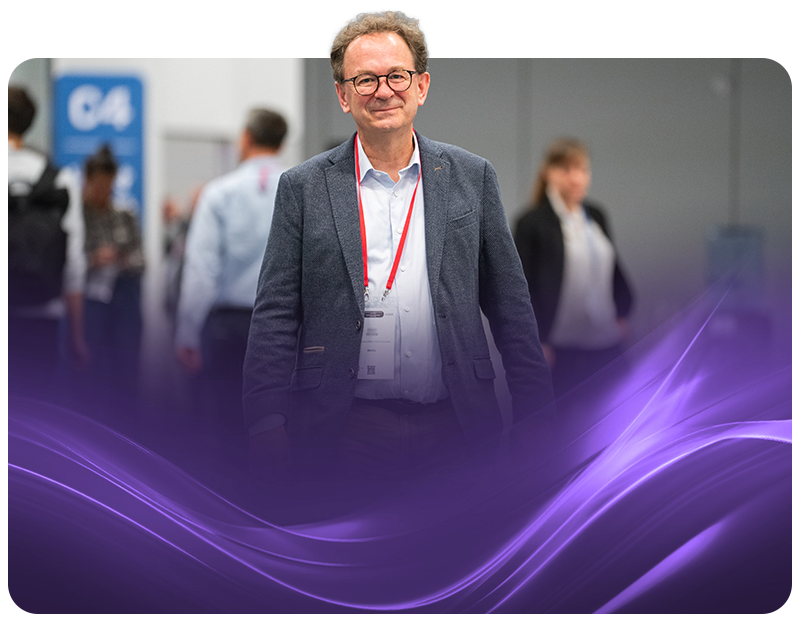
Featured Speakers from Multi-Omics in Single Cell & Spatial Analysis 2026
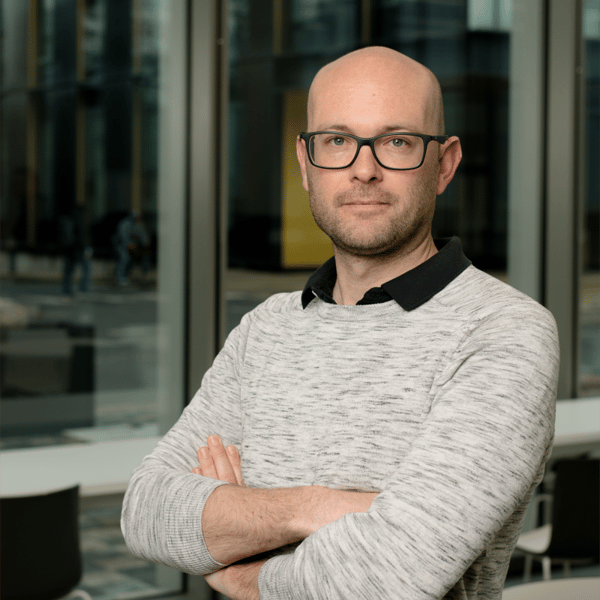
Adam Cribbs
Co-Founder & Chief Technology Officer,
Entelo Bio
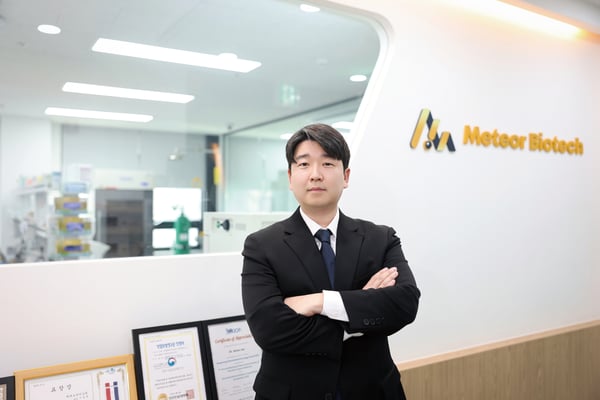
Amos Lee
Co-Founder & Chief Executive Officer,
Meteor Biotech
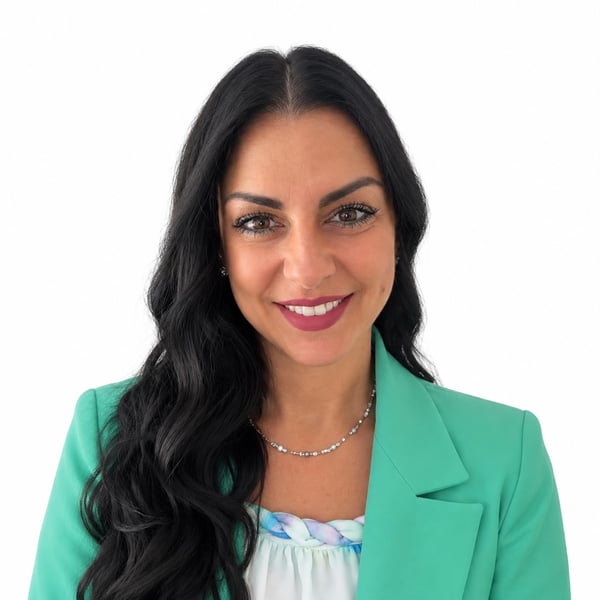
ANGELA VASATURO
VP scientific affairs,
Revolune
Anne Marieke Ezendam
Co-Founder & Chief Executive Officer,
SigniGene

Arianna Sabò
Head of Research & Discovery,
Quantro Therapeutics
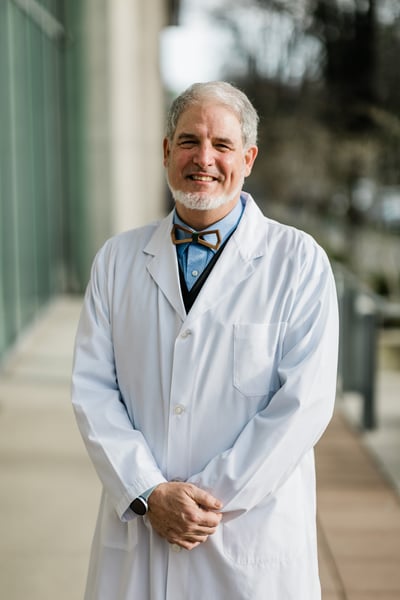
Calum MacAulay
Clinical Associate Professor, Department of Pathology and Laboratory Medicine,
BC Cancer Research Institute

Chris Mahony
Assistant Professor,
University of Glasgow
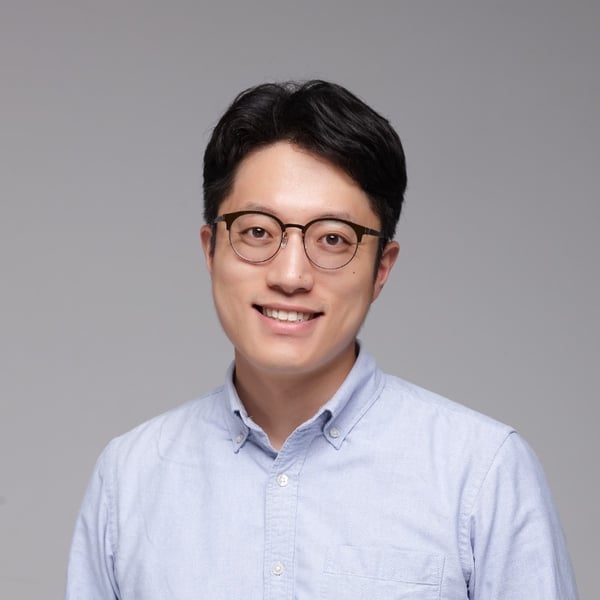
Daeseung Lee
Chief Executive Officer and Founder,
Portrai.io
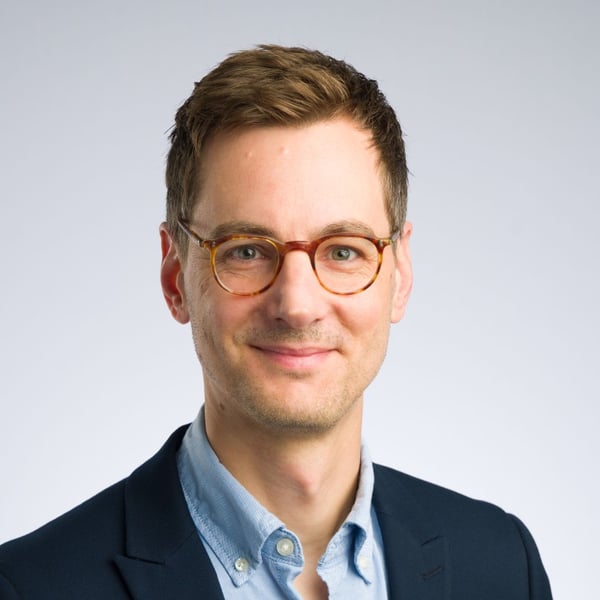
Dirk Paul
Head of Development,
Genomics
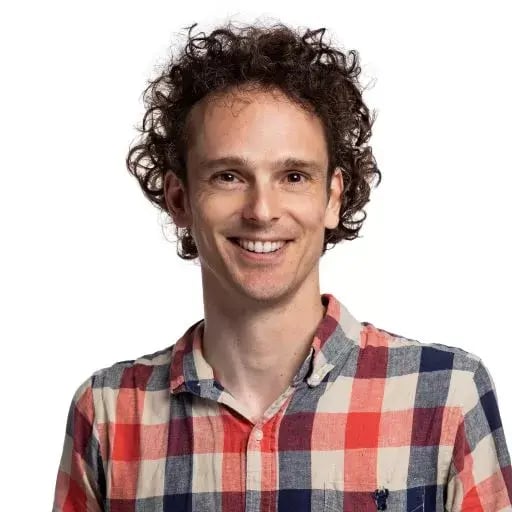
Dylan Mooijman
Chief Technology Officer,
Single Cell Discoveries

Edward Oakeley
Chief Technology Officer / Executive Director, AI & Data Science,
Oakeley Ideas
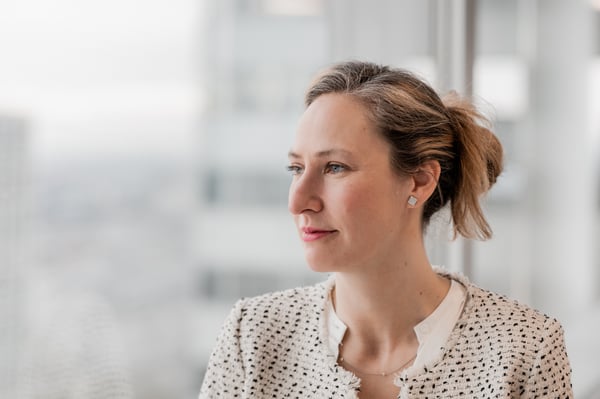
Eugenie Suter
Founding Partner,
European BrainTech Fund

Günter Schmidt
Vice President, Image Data Sciences,
AstraZeneca
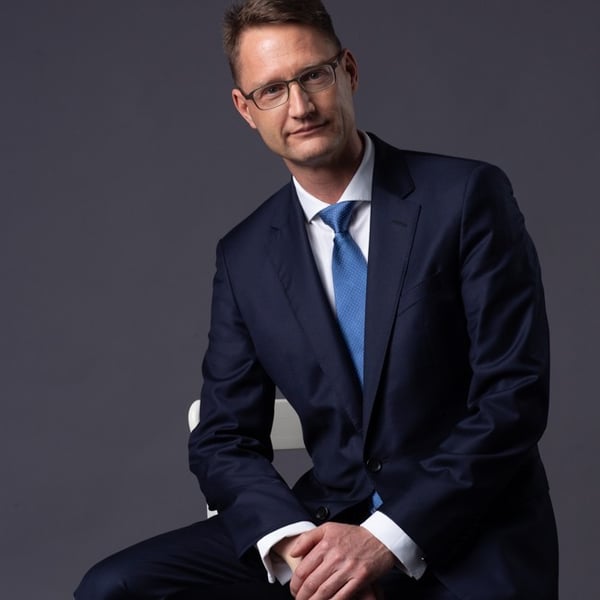
Jens Habermann
Director General of the Biobanking and Biomolecular Resources Research Infrastructure,
European Research Infrastructure Consortium
Joachim Schmid
Vice President, Multiomics Data Solutions,
Illumina
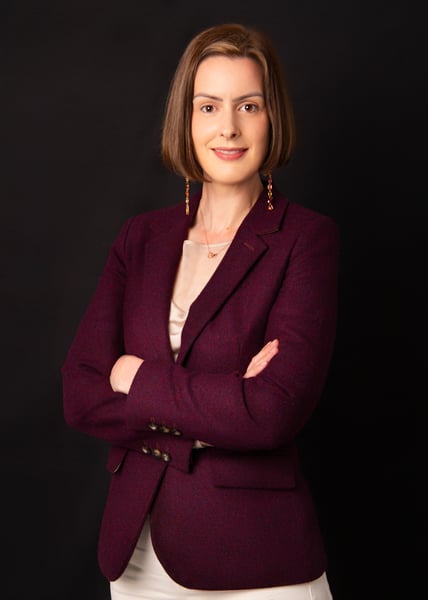
Joanne Yarker
Principal Scientist,
Quotient Therapeutics

Jörg Bachmann
Research Engineer,
SciLifeLab

Julia Foreman
DECIPHER Project Leader,
EMBL - EBI
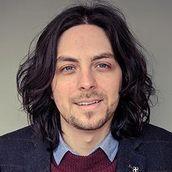
Kelly Hunter
CSO,
Propath UK
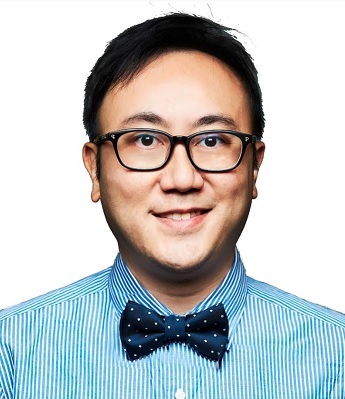
Ken Chow
Health Tech Counsel,
Flanders Investment & Trade
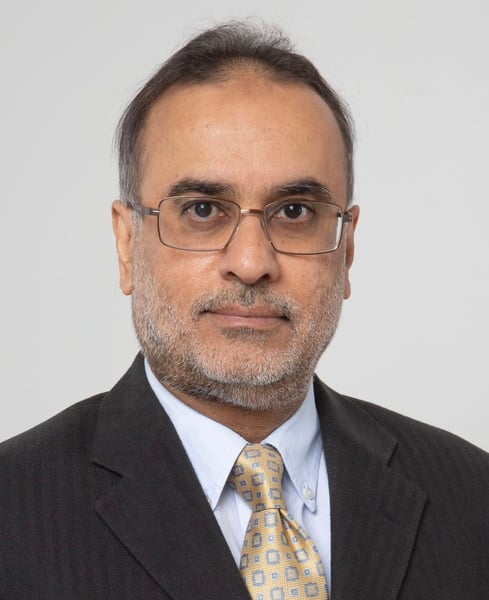
Khalid Saad Khabar Alqurashi
Principal Scientist,
King Faisal Specialist Hospital and Research Centre
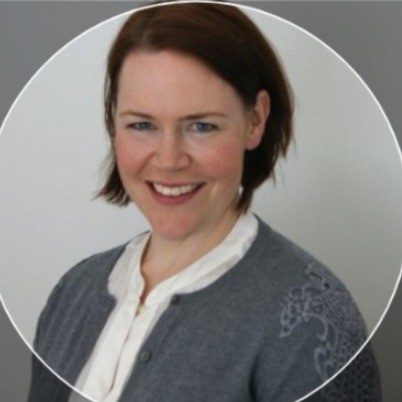
Kristin Hellman
Global Product Manager,
Olink, part of Thermo Fisher Scientific
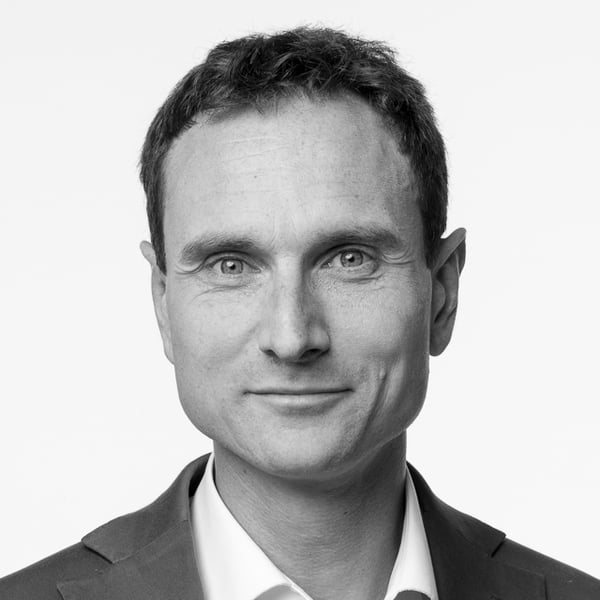
Manfred Claassen
Chief Technology Officer ,
Vicinitybio
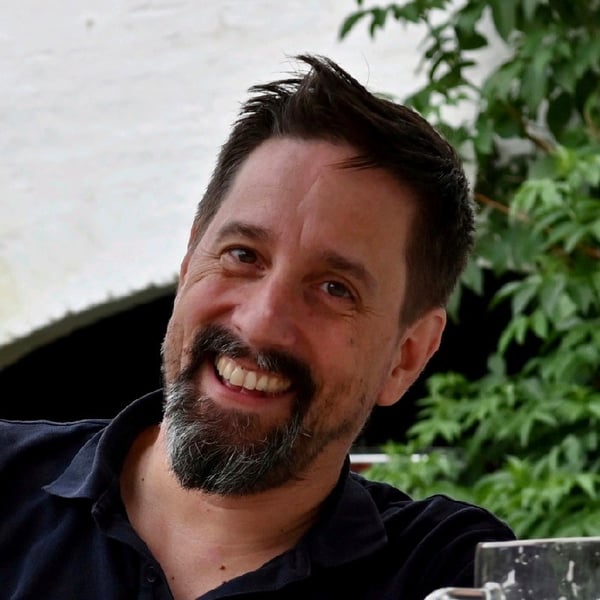
Marcus Rauchensteiner
Senior Field Application Scientist,
Twist Bioscience
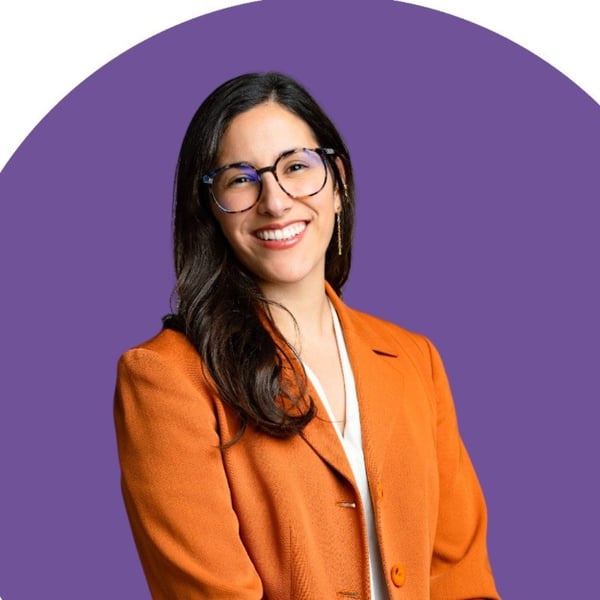
Maria Teresa Pérez Zaballos
Chief Executive Officer & Founder,
Endogene

Marisa Vanheusden
Senior Scientist,
Muna Therapeutics

Matthew Jackson-Wood
Principal Scientist,
Gilead
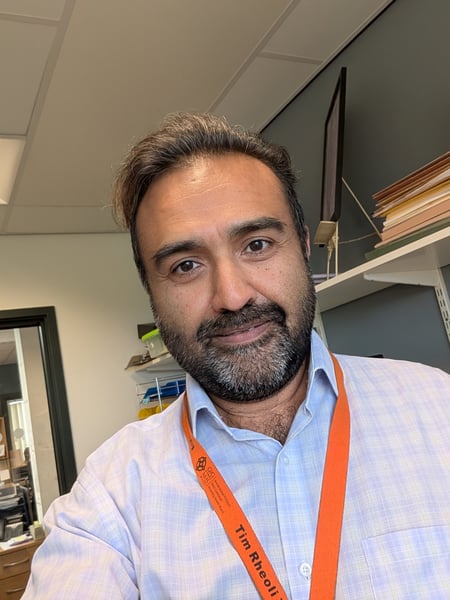
Muhammad Aslam
Consultant Pathologist,
Betsi Cadwaladr University Health Board
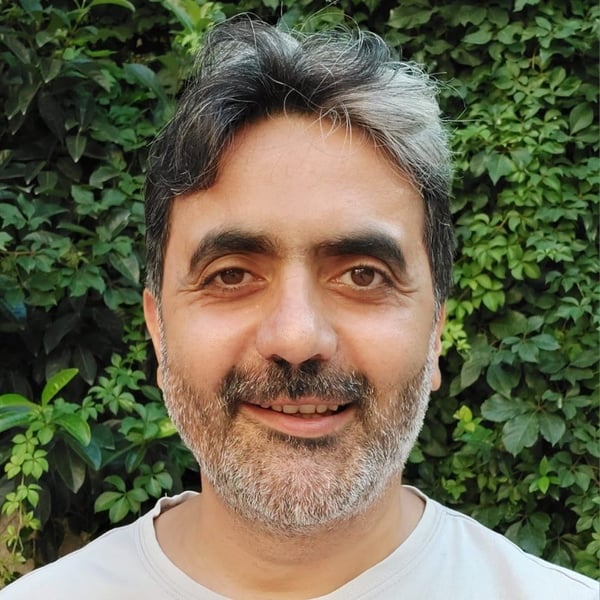
Muhammed Erkan Karabekmez
Associate Professor,
Istanbul Medeniyet University
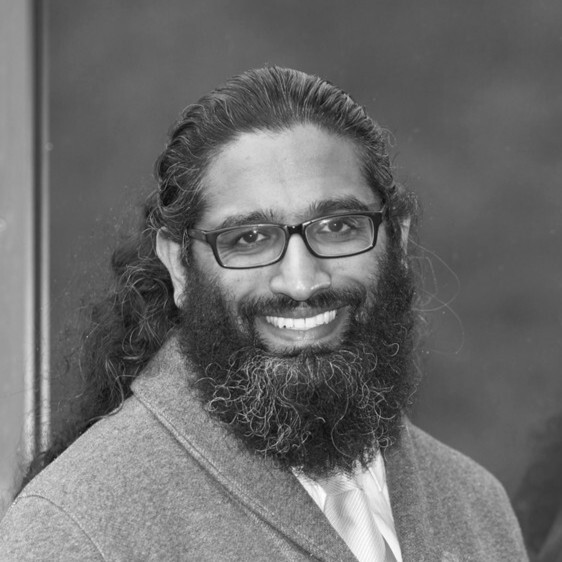
Naveed Ishaque
Group Leader,
Charite University Hospital

Olivia Nonn
Senior Researcher ,
Charite University Hospital

Olli Dufva
EMBO/MSCA Postdoctoral Fellow, Teichmann Lab, University of Cambridge,
Wellcome Sanger Institute
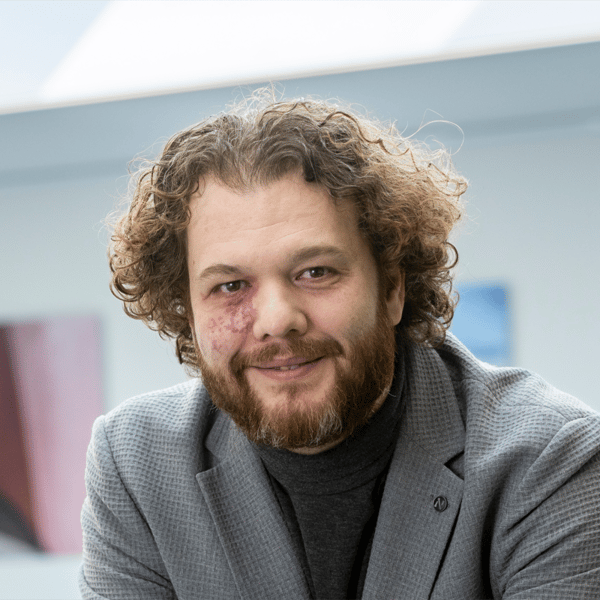
Özgün Gökce
Professor,
University of Munich
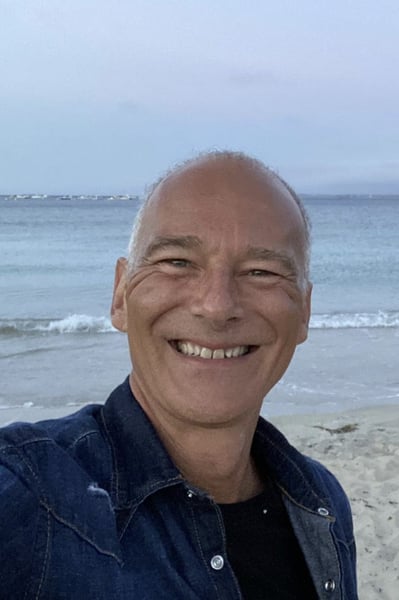
Patrick Descombes
Senior Expert Genomics,
Société des Produits Nestlé SA Nestlé Research Switzerland
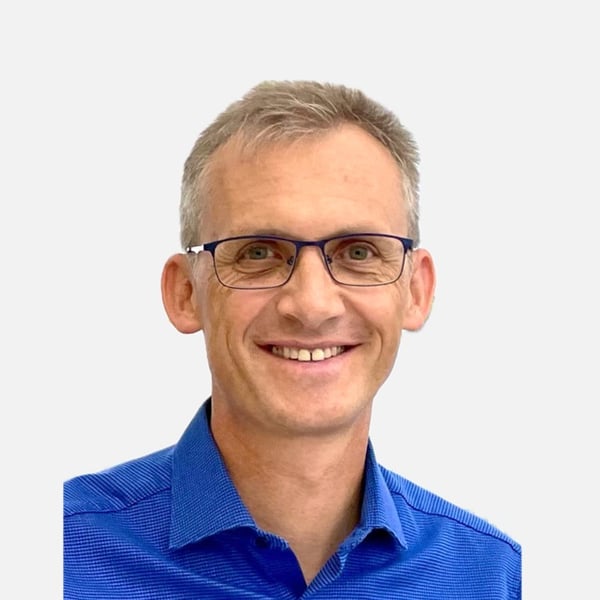
Philip Zimmermann
Chief Executive Officer,
Prevision Medicine AG
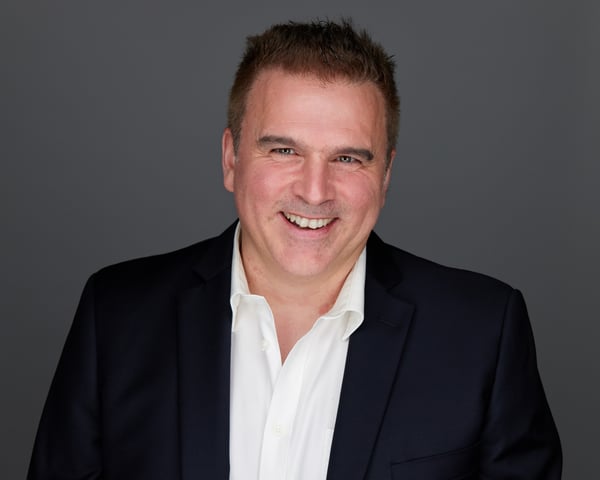
Pierre Farmer
Associate Director, Precision Medicine,
Novartis
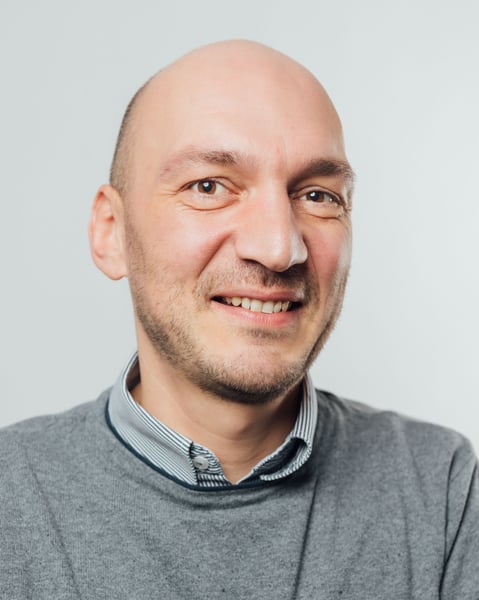
Pieter Mestdagh
Scientific Business Lead Genomics,
CellCarta
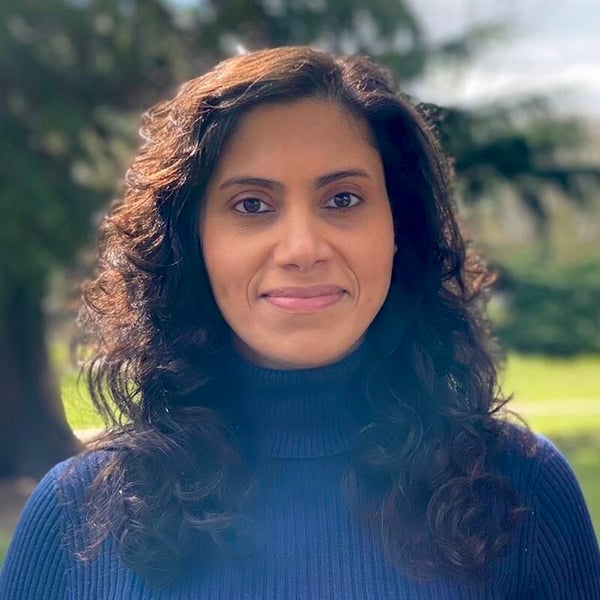
Sathya Muralidhar
Strategic Account Executive,
Aspect Analytics NV
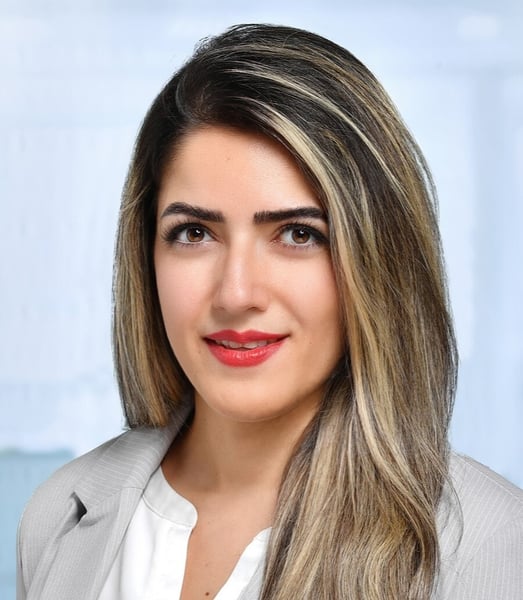
Sherry Derakhshani
Global Product Marketing & Applications Manager – Biopharma Solutions,
ZEISS Life Sciences Solutions
Sinéad Connolly
Life Science Application Scientist,
Cytosurge

Sven Nahnsen
Professor of Biomedical Data Science ,
University of Tuebingen
Tania Vu
Associate Professor,
Oregon Health and Science University

Tarja Laitinen
Senior Specialist,
University of Helsinki
Theodora Stewart
Associate Director Innovation & Business Development,
King's College London
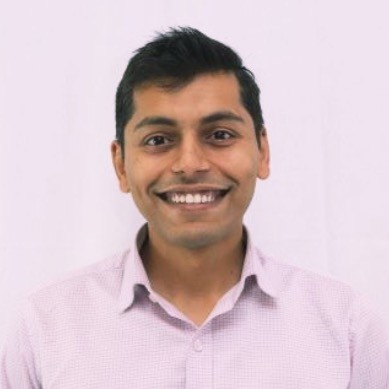
Tushar Shah
Business Development Consultant,
N6
Xingqi Chen
Associate Professor,
Uppsala University


