

Breaking Down Silos. Connecting Expertise. Accelerating Patient Impact.

Computational Pathology, AI & Precision Diagnostics Programme at Precision Medicine Europe

30 November - 01 December 2027
Congress Centre Basel, Basel, Switzerland

The Computational Pathology, AI & Precision Diagnostics programme covers digital pathology and AI, from building foundation models to putting them to work in pharma R&D. It is for pathologists, digital pathology leads, diagnostics companies and clinicians.

Session Themes

Foundation Models, LLMs & AI in Personalised Healthcare
How foundation models, large language models and AI combine multimodal data to support more accurate diagnosis, biomarker discovery and personalised treatment.

Computational Pathology in Pharma R&D
How computational pathology speeds up drug development through advanced tissue analysis, biomarker discovery, patient stratification, target identification and efficacy assessment.

Computational pathology in Basel

Building on Europe's pathology research and growing digital health ecosystem, Computational Pathology at Precision Medicine Europe spotlights AI-enabled diagnostics and the clinical translation of computational pathology. Academic institutions, pathology networks, biotech innovators and pharmaceutical companies explore how Europe is advancing robust, reproducible and clinically validated AI, opening up collaborative datasets and turning computational insights into real-world precision medicine.

Basel Skyline

The questions shaping computational pathology in 2027

Europe’s pathology community is at a turning point.

Digital adoption is moving at different speeds across countries, while AI models are getting more capable everywhere. Precision Medicine Europe in Basel brings the researchers developing these technologies together with those working to implement them in clinical practice.

Foundation models are enabling new approaches to analysing whole-slide images, predicting molecular biomarkers and linking tissue features with clinical outcomes. These advances are creating opportunities across pharmaceutical R&D, biomarker discovery and AI-assisted CDx development. The question is how to translate this potential into reliable applications, from drug development and clinical trials through to diagnostic validation and routine clinical practice.

At Precision Medicine Europe, the programme runs alongside Biomarkers & CDx; Multi-Omics Development & Applications; and AI, Data & Analysis, bringing together pathologists, biomarker specialists, and data scientists to tackle these challenges together.

Who should attend

Pathologists

Digital pathology leads  

Diagnostics companies 

Clinicians

AI and imaging teams

Computational pathology teams

Bioinformaticians

Pathology workflow providers

Comp Path Who Should Attend Image

Featured Speakers from Digital Pathology & AI 2026

Antonino Carbone
Chairman of the Department of Pathology,
Centro di Riferimento Oncologico di Aviano

Arijit Patra
Senior Principal Scientist,
Ucb
Daniel Truhn
Professor of AI in Medicine,
RWTH Aachen University

JM Bokhorst
AI Research,
IndicaLabs
Johan Lundin
Research Director,
Institute for Molecular Medicine Finland (FIMM), University of Helsinki
Julia Jabs
Head of Biomarker Lab Histology,
Merck Healthcare KGaA
Katrien Grünberg
Professor of Pathology and Head of Pathology Department,
Radboud UMC
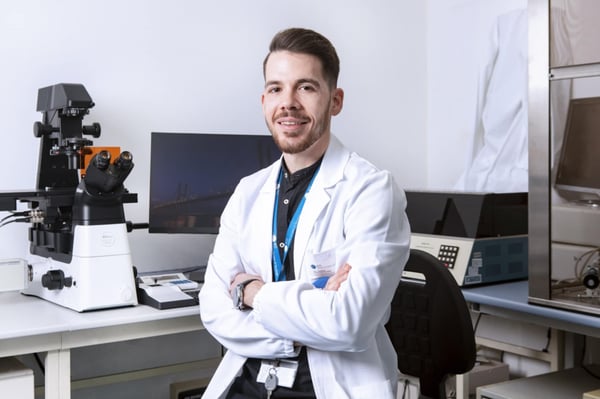
Konstantinos Venetis
Head of the R&D Team,
IEO Istituto Europeo di Oncologia
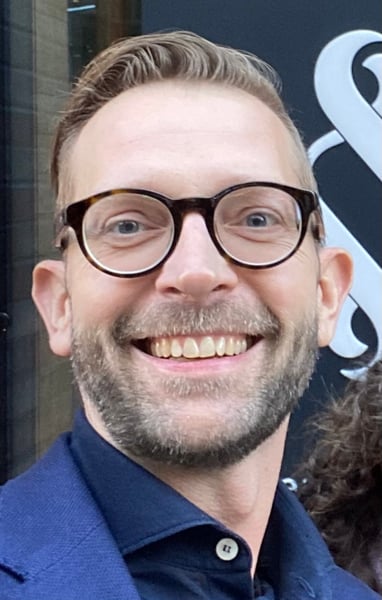
Konstanty Korski
Senior MD Pathologist,
Roche

Lorcan Sherry
Chief Scientific Officer,
OracleBio
Marco Tecilla
Scientific Area Lead Digital Pathology,
Roche
Mario Kreutzfeldt
Deputy Lab Manager,  Computational Pathology and Clinical Bioinformatics Laboratory,
Geneva University Hospitals (HUG)
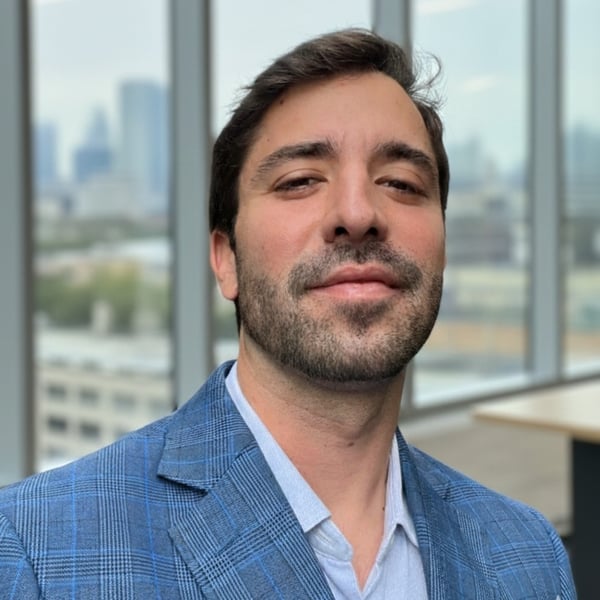
Martí Jimenez Mausbach
Associate Scientific Director,
Novo Nordisk
Nikolas Stathonikos
Principal Investigator AI Development & Implementation,
UMC Utrecht
Nina Linder
Professor,
Uppsala University
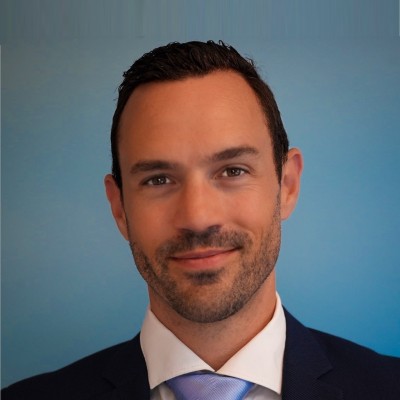
Paul Mesange
Senior. Director, Lab Operations - Global Anatomic Pathology,
Labcorp
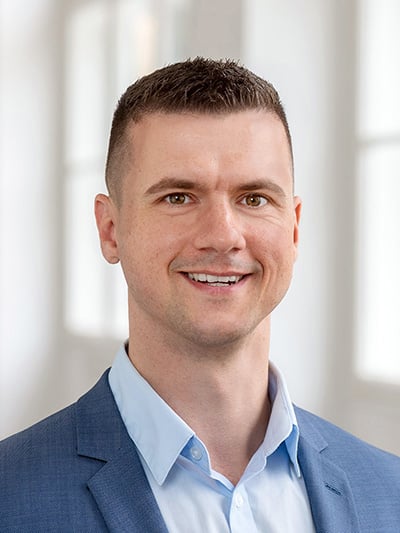
Peter Schüffler
Professor for Computational Pathology,
Technical University of Munich

Pierre Moulin
Chief Scientific Officer,
Deciphex Inc DBA Diagnexia US
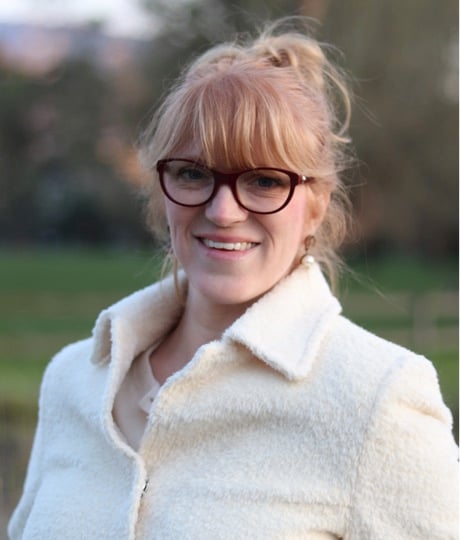
Sanda Ljubicic
Director, Scientific Engagement, Cardiometabolic,
Labcorp
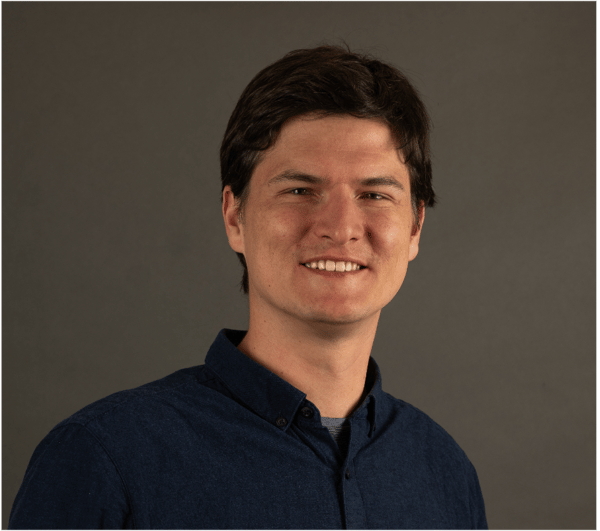
Tim Heinemann
Group Leader AI for Life Sciences ,
CSEM

Yixin Wang
Associate Director,
AstraZeneca

How it connects

Computational Pathology is the most specialized, tissue-centered programme: it is built around what tissue images, foundation models and LLMs can reveal. The other programmes take those insights into biomarker and therapy development. 

Frequently Asked Questions

Where can AI-based pathology fit into large-scale R&D, and who signs it off?
Across preclinical discovery, translational research, biomarker discovery, patient stratification and clinical development. Adoption depends on showing scientific value, fitting tools into existing workflows and winning buy-in from pathology, research, data science and development teams. The Computational Pathology in Pharma R&D track brings industry and academic experts together on exactly this.
How are foundation models and LLMs changing personalised healthcare?
They create new ways to use clinical data, improve predictive pathology and speed up personalised treatment. The dedicated track looks at both the opportunities and the practical challenges of deploying them, from patient stratification and biomarker discovery to predicting safety and efficacy.
When will computational pathology reach the clinic, and who will take that step?
There's no single adoption date. Progress depends on demonstrating value, establishing reliable diagnostic approaches and embedding tools in clinical and pharma workflows, through collaboration between pathologists, technology specialists, pharma companies and clinical institutions. The program brings all of those perspectives together.
What do pathologists need from technology specialists?

Tools that address real research problems, integrate complex biological data and give results that can be interpreted in a scientific context. That takes close collaboration between pathology experts and technology teams, which the program's foundation model and computational pathology sessions are built to encourage.

When and where is the Computational Pathology programme at Precision Medicine Europe?
30 November to 1 December 2027, at Congress Centre Basel

Be part of the conversations shaping
the future of medicine.

30 November - 01 December 2027
Congress Centre Basel, Basel, Switzerland

Spatial Multi-Omics 2026 Agenda at a Glance

DAY ONE 

Track 2: Emerging Multi-Omics Platforms and Applications: Genomics & Transcriptomics 
Track 3: Spatial Biology for Therapeutic Discovery & Development (Oncology & Immunology) 

DAY TWO 

Track 1: Emerging Multi-Omics Platforms and Applications: Proteomics, Epigenomics & Metabolomics 
Track 2: Spatial Biology for Therapeutic Discovery & Development

Decision 1

Sentence describing Decision 1

Decision 2

Sentence describing Decision 2