.svg)


Discovery & Development Europe 2027
Basel Messe Congress Centre, Switzerland
.png?width=500&height=200&name=Neuroscience%20Europe%202027%20Logo%20(Light).png "Neuroscience Europe 2027 Logo (Light)")
Accelerating Neuroscience Through Models, Biomarkers and Data-driven Discovery
Neuroscience Drug Development Europe is where neurobiology, immunology and translational science converge to decode brain disease and accelerate the path from mechanism to medicine. Over 1,000 senior scientists, translational leaders and technology innovators from pharma, biotech and academia come together to advance neurodegeneration and neuroinflammation research. Two days focused on biomarkers, target identification, iPSC models and data-driven approaches transforming neurological drug development.
What the Programme Covers
Neuroscience drug discovery from disease biology to translational validation and clinical development.
The programme is designed so that a neurobiologist, translational scientist, biomarker lead and computational researcher each find sessions directly relevant to their work. And then cross into adjacent areas for the sessions that connect neurodegeneration, neuroinflammation, advanced models and data-driven discovery.
Thought Leadership Insights
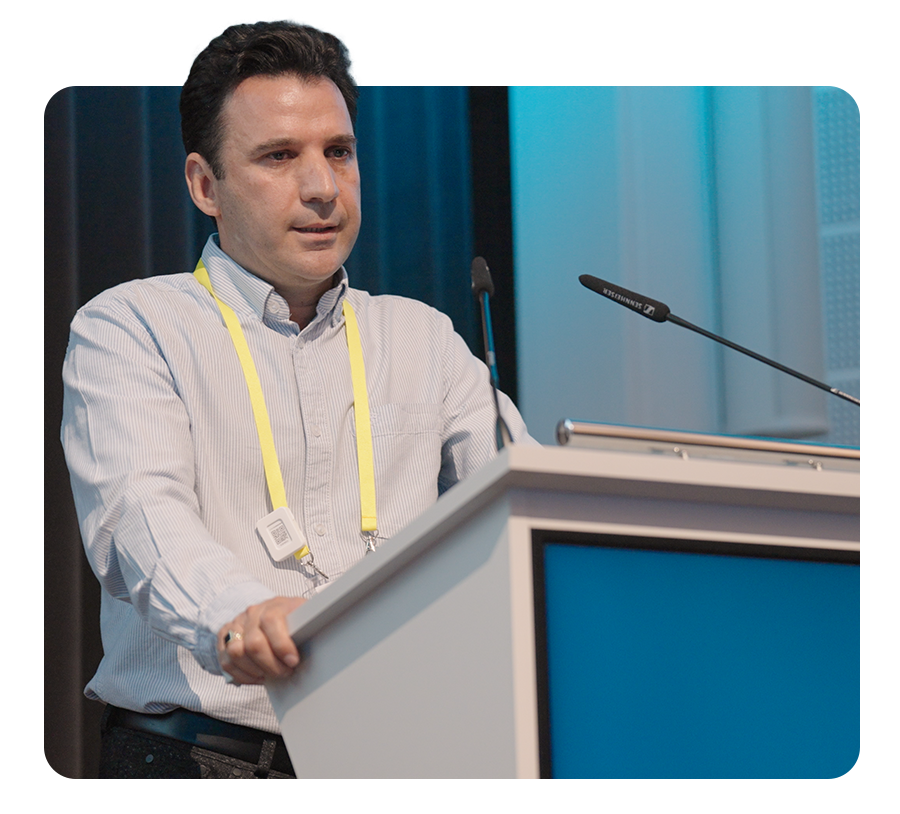
Join our CEO, Cerlin Roberts, as she sits down with leading industry voices to explore the ideas, innovations, and themes shaping the future of our industry.
What Was Covered in 2026
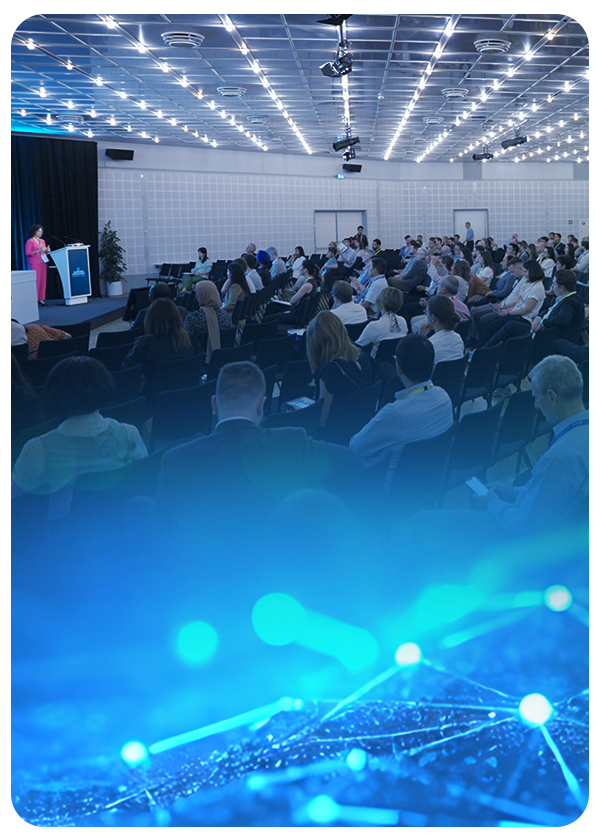
The programme reflects where neuroscience drug development is right now, not where it was five years ago.
A strong focus is placed on understanding the underlying biology of neurological diseases, from neurodegeneration and neuroinflammation through to the mechanisms driving Alzheimer’s, Parkinson’s and MS. Sessions explore how deeper mechanistic insight is reshaping target identification and validation.
Biomarkers form a second core pillar of the programme, spanning digital biomarkers, imaging, genetics and emerging translational tools. The emphasis is on how these signals are being used to stratify disease, improve clinical translation and guide decision-making earlier in development.
Neuroscience models are the third key theme, with human iPSC-derived systems, organoids and single-cell atlases increasingly central to how disease is studied and therapies are evaluated. These platforms are helping bridge the gap between preclinical understanding and clinical reality, enabling more predictive and human-relevant research.
Key Event Highlights
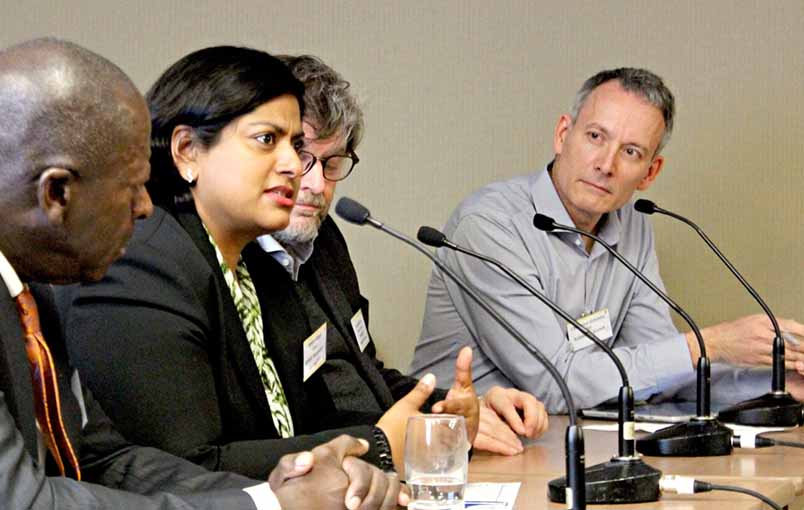
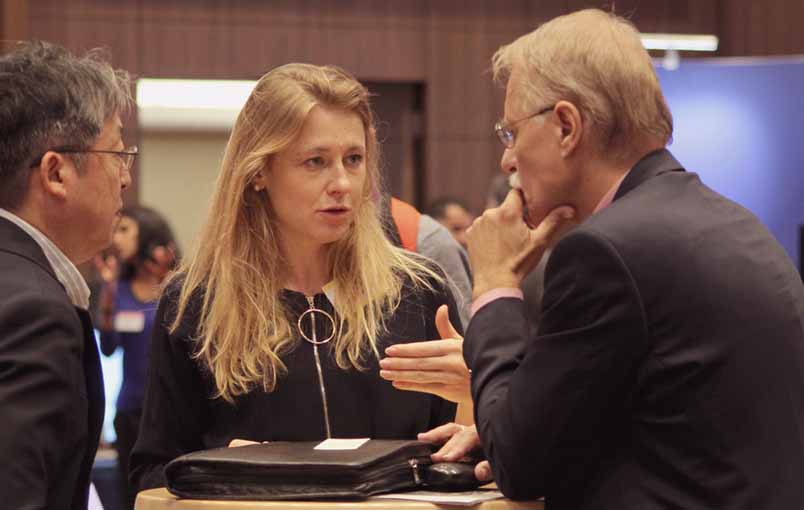
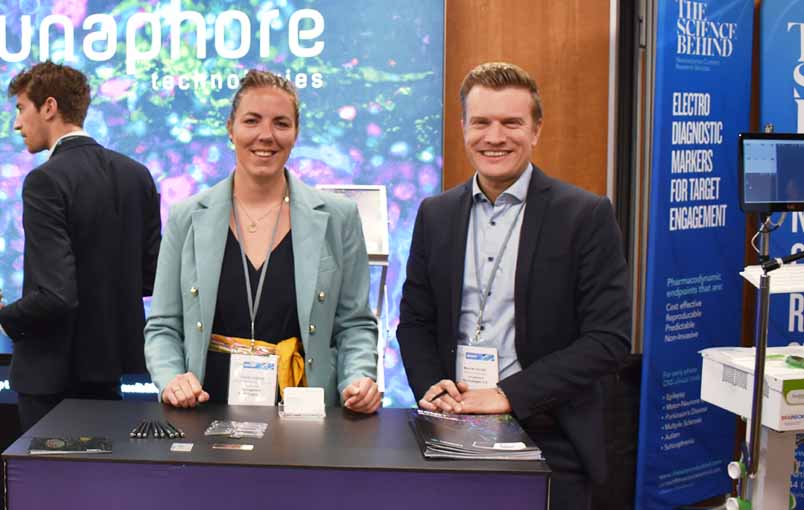
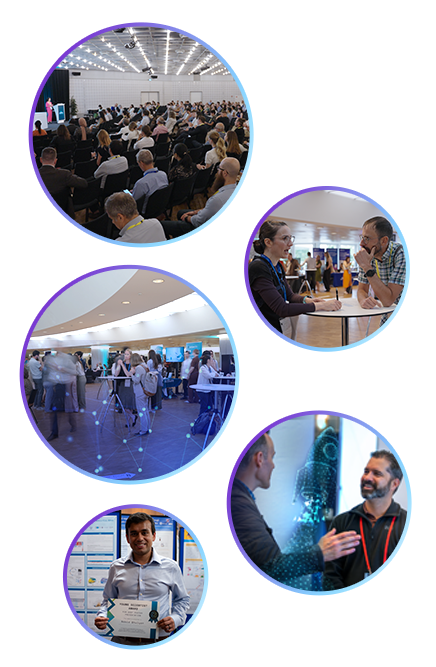
An unmissable journey awaits you: from a high-energy AI & Digitalisation Zone to celebrated keynote speakers and insightful roundtable discussions. Discover the moments that will transform your Neuroscience Drug Development experience.
Who is Speaking?
Four keynotes open the event across the Drug Discovery, Neuroscience and Automation tracks.
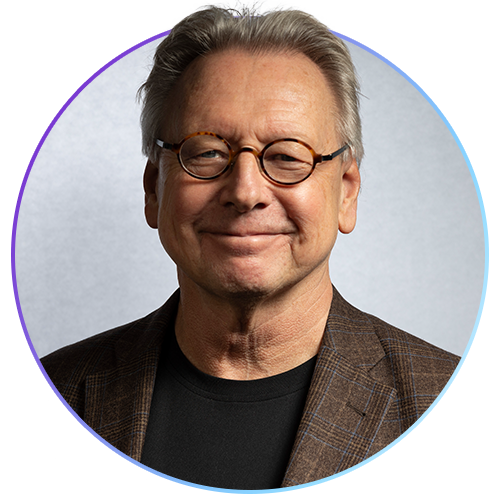
Paul Workman OBE FRS,
Harrap Professor of Pharmacology and Therapeutics at the Institute of Cancer Research, London — Adventures in Precision Medicine for Cancer: 25 Years After the Genome Sequence.
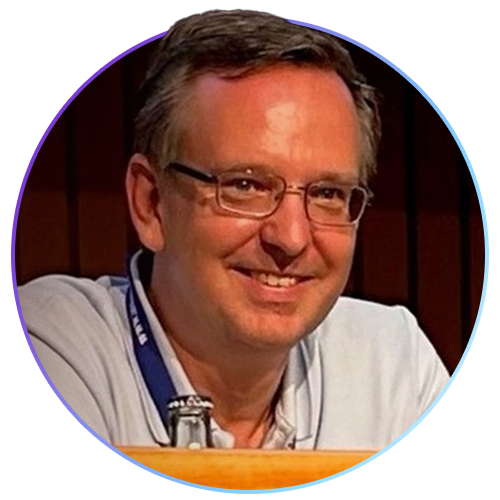
Ingo Hartung,
Executive Director and Head of Medicinal Chemistry and Drug Design at Merck Healthcare KGaA — Designing for Impact: Moving Beyond Inhibitors.
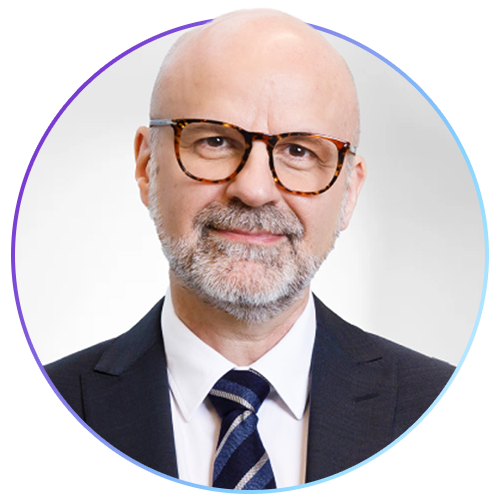
Rafal Kaminski,
Chief Scientific Officer of Angelini Pharma — Brain Health: A Call for Global Action and Unity.
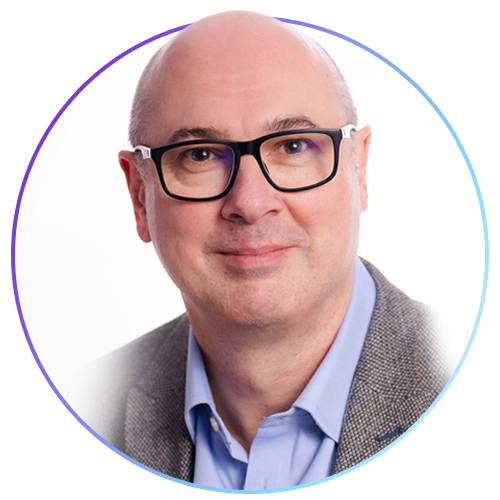
Dave Hallett,
Chief Scientific Officer of Recursion — The Automation and AI Landscape in 2026.
Confirmed speakers from AstraZeneca, GSK, Sanofi, Novartis, Roche, Bayer, AbbVie, Novo Nordisk, Boehringer Ingelheim, Amgen, Ipsen, Lundbeck, UCB, Servier and Angelini Pharma alongside leading academic institutions including the Institute of Cancer Research, ETH Zurich, Goethe University Frankfurt, the University of Oxford, Imperial College London and Kings College London.
ELRIG is the scientific partner for the Target Identification and Validation track and sponsors the Young Scientist Poster Awards across both days.
Three invite-only closed-door sessions run for senior leaders outside the main programme, on where smart capital is flowing in drug discovery, the real impact of AI on workflows, and the winning model for brain health innovation.
How it Works
The programme runs across six simultaneous tracks on each day, designed so attendees can follow a single scientific thread or move across tracks as the agenda demands.
400 pre-arranged one-to-one meetings are scheduled across both days during morning coffee, lunch and afternoon breaks. Each meeting is confirmed in advance, delegates select who they want to meet from a fully profiled list, and only confirmed acceptances appear in their schedule.
The AI and Digitialisation Zone in the exhibition hall runs live technology demonstrations and short tech talks throughout both days, with scheduled demos during lunch on Day 1 and Day 2. Confirmed Zone companies include Recursion, Iktos, the Structural Genomics Consortium, AI VIVO and Ignota Labs.
The Start-Up Zone on Day 1 gives emerging companies a ten-minute pitch slot on the Start-Up Stage, putting founders and early-stage platforms in front of the same audience as the major pharma and biotech speakers.
Day 1 closes with the Young Scientist Poster Award announcement by ELRIG, followed by wine tasting and dinner.
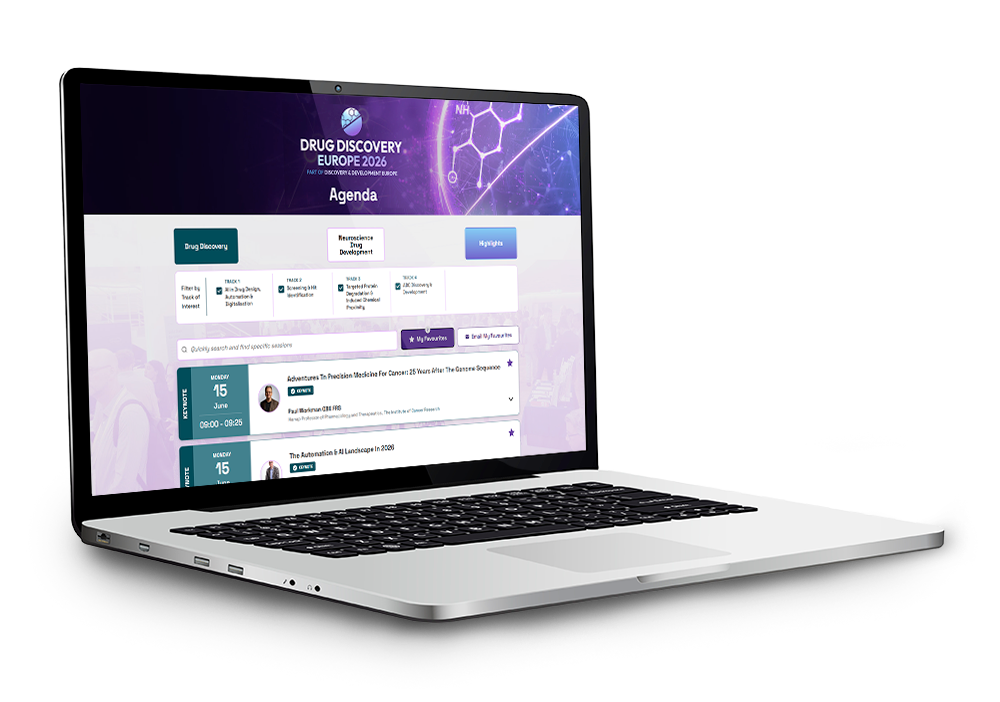
Discover Your Unmissable Schedule.
Discover everything our event has to offer by exploring the agenda page. There, you’ll find detailed information on every presentation, from inspiring keynote addresses to engaging panel discussions. You can also personalise your experience by saving your favourite sessions and building a tailored agenda that fits your interests and schedule, so you never miss the moments that matter most.