
Biomarkers, CDx & Precision Medicine US 2026
Gaylord Pacific Resort & Convention Center, San Diego, CA
A new pathway to patient impact.
Ten years in. The science no longer fits the system.
This is where it gets put back together.
23 - 24 September 2026 | San Diego, CA
Precision Medicine:
Redefining the Future of Healthcare
23 - 24 September 2026 | San Diego, CA
Biomarkers, CDx & Precision Medicine US 2026 brings together 600+ senior leaders from pharma, biotech, academia, regulatory and AI-driven platforms to tackle the questions defining the next decade of precision medicine.
-
How do biomarker discovery, multi-omics, AI pathology and CDx work as one decision chain, rather than four parallel ones?
-
What does the FDA actually expect from AI-derived biomarkers and computational pathology CDx in 2026?
-
How is foundation-model AI changing biomarker discovery, and which platforms are ready for clinical use?
-
How is the spatial transcriptomics "treasure trove" of archived samples now driving early detection and stratification?
-
Where is investment flowing in precision medicine, and what makes an omics company investible today?

Biomarkers, CDx & Precision Medicine US 2026
This is the tenth anniversary edition. San Diego. 23–24 September.
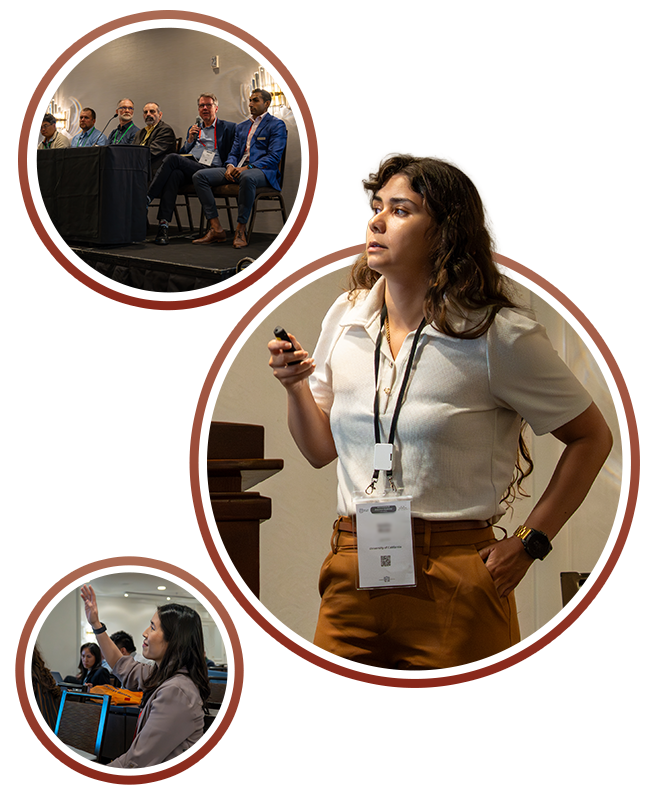
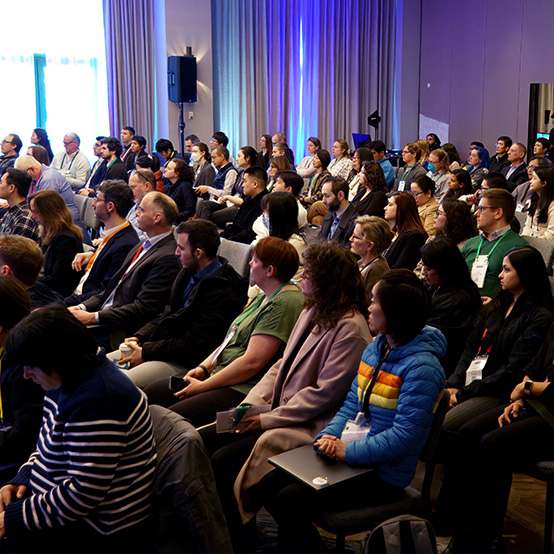
Over 600 senior scientists, R&D leaders, regulatory voices and technology innovators from pharma, biotech and AI-driven precision medicine platforms, across three co-located programmes and two full days of science, collaboration and clinical translation.
Biomarkers & Companion Diagnostics covers the earliest decisions in the chain. Biomarker discovery, validation, CDx development, regulatory pathways, liquid biopsy, patient stratification and oncology biomarkers.
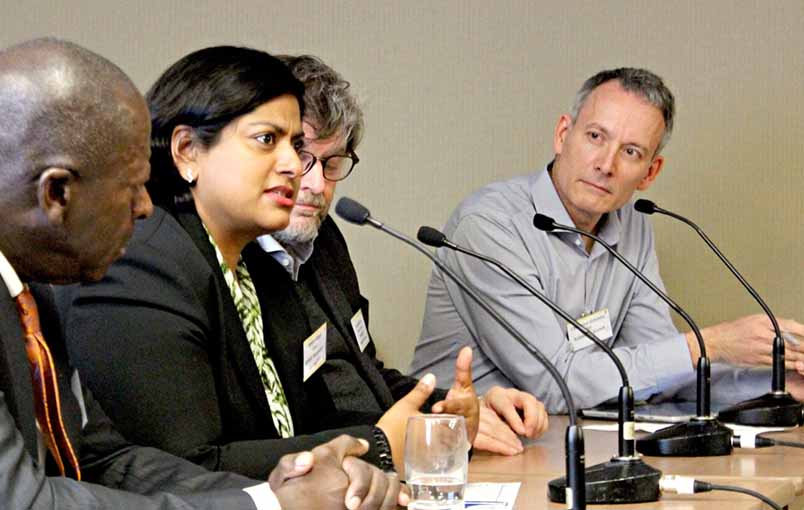
The Day 1 cross-programme regulatory panel brings Reena Philip (Merck), Karen McCullough (AstraZeneca) and two reserved FDA seats into one conversation on what the agency expects from AI-derived biomarkers and CDx in 2026.
Multi-Omics, Spatial & Data picks up the molecule with the methods that now define it. Spatial transcriptomics, multiplex imaging, single-cell spatial, multi-omic integration, tumour microenvironment, and the bioinformatics that makes it usable.
Computational Pathology, AI & Precision Diagnostics takes it through to deployment. Foundation models for biomarker discovery, AI in pathology workflows, computational biomarker analysis, and the regulatory journey for AI/ML-based CDx.
The Day 2 track keynote from Mark Gustavson of AstraZeneca on scaling computational pathology for the next generation of cancer therapies sits inside this programme.
Together they follow the full decision chain.
From signal. To biomarker. To clinical strategy. To patients.
Advancing Therapeutic Innovation Through Multi-Omics Research
NextGen Omics & Spatial Biology connects thought leaders, researchers, and experts with pharmaceutical & biotech representatives to discuss the latest innovations across the fields of multi-omics.
There are three dedicated programmes running across two full days, which together will explore multi-omics from technological development to therapeutic applications and analysis, making this a must-attend event for anyone working in clinical diagnostics, single cell & spatial biology.
Hear from past attendees of last year's Biologics 2024 conference
Explore the NextGen Omics & Spatial Biology US 2025 Programme

NextGen Biomed 2025 is supported by our
Scientific Programme Partner The Antibody Society
Explore the Biomarkers, CDx & Precision Medicine US Programme
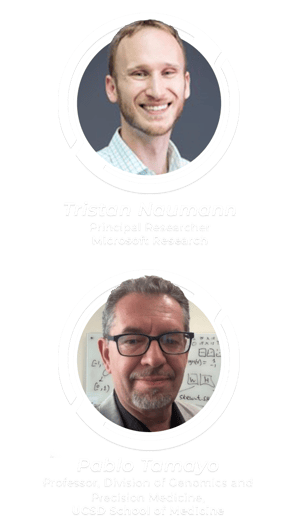
Two headline plenaries anchor the programme which cover two sides of the same industry shift; Hoifung Poon of Microsoft Research opens Day 1 on AI for accelerating medical discovery. Pablo Tamayo of UCSD opens Day 2 on the Celsus AI/ML Multi-Omics Framework.
Around them, a track keynote roster from the people actually running these programmes inside senior pharma R&D including;
Lauri Diehl (Gilead) on foundation models for biomarker discovery. Mark Gustavson (AstraZeneca) on scaling computational pathology. Sapna Yadavilli (GSK) on preclinical strategies for clinical translation. Andrea Ferreira-Gonzalez (Virginia Commonwealth) on multi-cancer early detection.
Five registration-required Collaboration Hubs run alongside: AI in precision medicine, research-to-clinic translation, US reimbursement, next-gen trials, and tech adoption. Two closed-door panels go further, on population genomics and the precision medicine investment landscape.
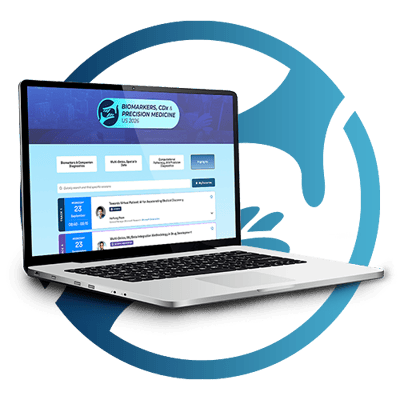
And the 1:1 meeting system, which is the part most delegates remember a year later is running throughout. You select who you want to meet so when you arrive in San Diego you have confirmed schedule that supports two days of intentional conversation, not two days of hoping to bump into the right person.
San Diego. 23–24 September.

Key Themes
Experts agree: the future of precision medicine lies in layering multi-omics with cutting-edge technologies.
Spatial transcriptomics unlocks a treasure trove of archived samples, accelerating drug discovery, early detection, and patient stratification. Advances in sensitivity and throughput are driving progress, while multiplex assays edge closer to clinical use as companion diagnostics. Targeted protein degradation is emerging as a powerful tool, offering precision with reduced toxicity. New single-cell analysis methods are revealing molecular insights in patient settings, bridging research and real-world impact.
The challenge now? Integrating these breakthroughs to truly deliver on the promise of precision medicine.
An unmissable journey awaits you: From celebrated keynote speakers and insightful fireside chats, to the brand new Awards Dinner. Discover the moments that will transform your Biomarkers & Precision Medicine experience.
Have a peek into the dynamic panels, engaging roundtables, and hands-on workshops happening in Boston - right now!
Spatial Multi-Omics For Target-To-Disease Linkage In Inflammatory Diseases
MARINA BLECK, Principal Scientist, Boehringer Ingelheim
Marina discussed the use of multi omics for faster Faster Target-to- Disease Link (T2DL) with increased confidence and how they can leverage Spatial Biology to enhance the ability to derive insight from human disease tissues. Finally the Importance of FFPE Tissue Quality for Spatial Biology was discussed with the use of QC scoring to determine which FFPE tissue gives the best spatial transcriptomics results.
Spatial Biology As A Discovery Pathway
EMRE ARSLAN, Takeda
Emre Arslan from Takeda gave a talk about the use of Spatial Biology as a discovery pathway. First of all providing an update on the current landscape for spatial technologies then analysing how spatial technologies can be used in clinical trial design - such as the ability to identify previously unknown cell types, interactions and microenvironments and providing an ideal foundation for training better AI models.
JASMINE PLUMMER, Director, St Jude Children's Research Hosptial
Jasmine Plummer's day 2 keynote focused on Single cell into spatial and beyond. "The reason we are in this room is because it’s cutting edge" which is why the single cell and spatial field growing exponentially.
Future directions for the technology include Low throughput, clinical trials, other organisms, more tissue types, epigenomics
JUN WANG, Associate Professor, Multiplex Biotechnology Laboratory, Department of Biomedical Engineering, Stony Brook University
"Simpler but more powerful than flow and imaging cytometry"
MIST Technology provides100 times more information than flow cytometry and currently the highest multiplexity is up to 500 markers/ cell.
Panel Application Of Single Cell Omics In Clinical Monitoring
PRIYA CHOCKALINGAM, Vice President, Head of Clinical BioAnalytics & Translational Sciences, Beam Therapeutics
Priya's talk focused on Genome Editing Technologies for Gene & Cell Therapy and how cell & gene therapies require a specialized regulatory approach compared to other modalities. Appropriate assessments should therefore be put in place in both nonclinical and clinical stages to address safety concerns.
Various methods to assess off-target editing effects have evolved in the last decade. However, limitations remain in balancing accuracy vs sensitivity of these new techniques.
The direct assessment of off-target effects in vivo and in patients is particularly challenging.
Novel single-cell technologies enable quantitation/co-occurrence of on-/off-target editing through patient time-course of treatment
Comparative Insights In Single Cell RNA-seq & Advances In Large-Scale Multimodal Profiling
ZORA MODRUSAN, Senior Director NGS, Genentech
Zora focused on both key insights and future directions of single cell RNA-Seq. scRNA-seq technologies were evaluated and the differences in performance across various metrics such as sensitivity, throughput and cost were compared across different systems.
The Overloading And unpacKing (OAK) method provides a reliable solution for large-scale molecular profiling that incorporates multiple data modalities.
Moving forward they will continue to evaluate the latest scRNA-seq kits to understand differences and guide optimal performance. Zora would also like to enhance OAK's capabilities by integrating additional modalities and applying the platform to a wide range of biological systems.
Key Event Highlights
An unmissable journey awaits you: from celebrated keynote speakers and insightful private roundtables, to an exclusive gala dinner. Discover the moments that will transform your NextGen Omics & Spatial experience.
The 10th Anniversary Edition
Biomarkers, CDx & Precision Medicine US has spent a decade convening the people defining the field. The 2026 edition is the largest yet. Three co-located programmes, six tracks per day, a regulatory line-up that includes two reserved FDA seats alongside Merck and AstraZeneca's senior regulatory voices, and a 40,000-strong global community feeding into it.
Building an omics, biomarker, AI pathology or precision diagnostics company? The Start-Up Zone gives early-stage teams a stage in front of the same 600+ senior pharma, biotech and academic audience the Diamond and Platinum sponsors are paying to reach. Find out how you can get infront of them.
Criteria:
The Start-Up Zone is designed for therapeutic start-ups, academic spin-outs, and early-stage technology/service providers.
To be eligible for inclusion, you must meet the following criteria:
• 0 – 5 years operating
• 0 – 30 employees
• Pre-Series A funding
Successful applicants will receive as part of their package:
• 2 full conference passes
• 10-minute pitch on the Start-Up Stage
• 1x1m space in Start-Up Zone: cocktail table provided, start-up to bring 1x pull-up banner
• Logo featured on website & event platform as a participating start-up
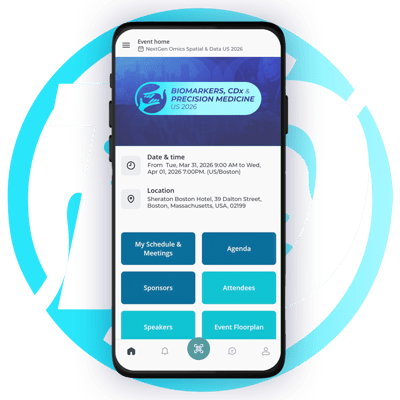
• Ability to arrange 1:1 meetings via to the congress app
Day 2 with a thought leadership session bringing senior pharma R&D leaders, biotech founders and BD heads into the room with VCs and investors discussing how to fund breakthrough science. It pairs with the closed-door Investment Landscape panel later in the day to create a full investor-themed track for those tracking the funding side of precision medicine.

Interdisciplinary learning and knowledge share is key to driving Precision Medicine. Our Collaboration Hub sessions will provide a platform to enable experts and innovators from diverse complimentary fields to foster collaboration, hear fresh perspectives, encourage innovation, break down silos and address specific challenges within the field.
Each invitation only focused session will last one hour and house a maximum of 15 diverse specialists alongside a high-level moderator to facilitate discussion.
Discussion Points: How to maximise the benefit of AI in precision medicine and explore challenges around managing risk, ethical considerations, regulatory compliance and integrating into existing systems.
Invited Specialists: AI specialists, data scientists, clinicians, regulatory officials, bioethicists, IT infrastructure experts.
Discussion Points: Identifying the barriers to translating research findings into clinical practice and exploring strategies to improve collaboration and align academic research with clinical needs, regulatory requirements and healthcare systems
Invited Specialists: Academic researchers, clinicians, healthcare administrators, technology/ knowledge transfer, regulatory officials, translational medicine expertsDiscussion Points: How to generate and package evidence that meets the needs of CMS, MolDX (Medicare’s molecular diagnostics program) and private payers; designing studies that demonstrate clinical utility and cost-effectiveness for biomarker, spatial and digital pathology-based tests to support coverage decisions.
Invited Specialists: Market access and HEOR experts, payer/insurer representatives, diagnostics and CDx leaders, clinical trialists, lab directors, health system finance and revenue cycle leaders.
Discussion Points: Modern trial designs that accelerate biomarker-driven therapies – Use of AI, endpoint selection, enrichment strategies, companion testing logistics, and operational feasibility
Invited Specialists: Clinicians, clinical ops leaders, medical directors, (bio) statisticians, CROs, site networks, patient recruitment leaders, regulatorsDiscussion Points: How to align stakeholders and design strategies to overcome the challenges in adopting precision medicine technologies, such as cost, accessibility, technology transfer and integration into clinical workflows.
Invited specialists: Technology developers, implementation specialists, knowledge/ technology transfer, healthcare administrators, clinicians, regulatory officials

Become a driving force in accelerating the next generation of multi-omics-based treatments. NextGen Omics & Spatial Biology US offers a unique platform to enhance your brand visibility and connect with thousands of pharma, biotech, & academic experts. Our branded event opportunities, immersive experiences, and content services enable you to engage, educate, & collaborate with the community shaping the future of genomic medicine today.
Interested in Sponsoring NextGen Biomed?
Become a driving force in accelerating the next generation of biologics and immunotherapy medicines to patients. NextGen Biomed offers a unique platform to enhance your brand visibility and connect with thousands of pharma, biotech, and R&D experts. Our branded event opportunities, immersive experiences, and content services enable you to engage, educate, and collaborate with the community shaping the future of biomedicine today.
Our Esteemed Sponsors for NextGen Omics & Spatial Biology US 2025
Platinum Sponsors

Gold Sponsors

Silver Sponsors
Bronze Sponsors
Network & Programme Sponsors
Start-Ups
Our Esteemed Sponsors for Biomarkers, CDx & Precision Medicine US 2026
Platinum Sponsors
Gold Sponsors

Silver Sponsors
Bronze Sponsors
Network & Programme Sponsors
Interested in Sponsoring Biomarkers, CDx & Precision Medicine US 2026?
Become a driving force in accelerating the next generation of personalized treatments. Biomarkers, CDx & Precision Medicine US 2026 offers a unique platform to enhance your brand visibility and connect with thousands of pharma, biotech, & academic experts. Our branded event opportunities, immersive experiences, and content services enable you to engage, educate, & collaborate with the community shaping the future of precision medicine today.
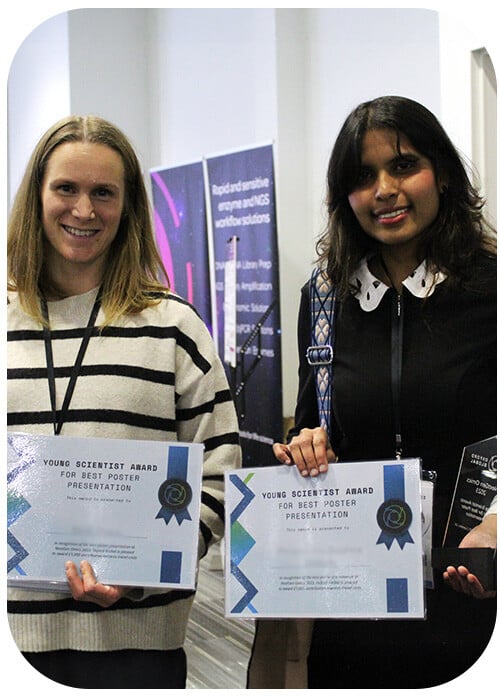
The NextGen Biomed Young Scientist Awards include the best poster presentation award and are intended to honour an outstanding individual performance for a scientific work by a PhD student, PostDoc or early career scientist.
Please submit your poster presentation by no later than 13th January 2025 in the below category:
- Protein/Antibody Engineering
- Bioanalysis & Characterisation
- Next Generation Biotherapeutics
- Peptides Chemistry & Therapeutics
- Oligonucleotides Chemistry & Therapeutics
- Sustainable Chemistry & Manufacturing
- Student (PhD), PostDoc or early career scientist under 35 years of age. Proof must be provided via an active student ID card or a copy of status
- Applicants must be the first AND presenting author of the submitted paper and register for the meeting by 13th January 2025
- ONLY ONE YSA submission per person will be accepted. If authors submit multiple abstracts for consideration for the YSA, only one abstract will be taken into consideration for the YSA
Applicants must follow the procedure as follows:
- Register and submit an abstract by 13th January 2025 using the registration link to the left on this page
- Once registered you will be provided with the online abstract submission form
- Prepare the poster or platform and present it (The poster presenter should be at the poster during all breaks.)
- The 3 winners with the highest scores will be announced at the Networking Drinks on the second day of the event
- The winners’ 10-minute oral presentations will take place during the networking drinks on day 2
The platform or poster presentation will be evaluated by senior scientists (consisting of our speaking and steering group committee for the NextGen Biomed series) on the basis of originality of the approach and quality of the work (e.g. appropriate methodology, interpretation of results, conclusiveness). All participants will receive the scoring and comments after the annual meeting via email.
The 3 winners receiving the highest scores will be announced at the Networking Drinks on the Day 2 and will be given a trophy as well as £1,000 contribution towards travel costs. Oxford Global will also provide winners with PLUS Pass – 12 months access to our content platform providing access to on-demand presentations, exclusive reports and highlights.

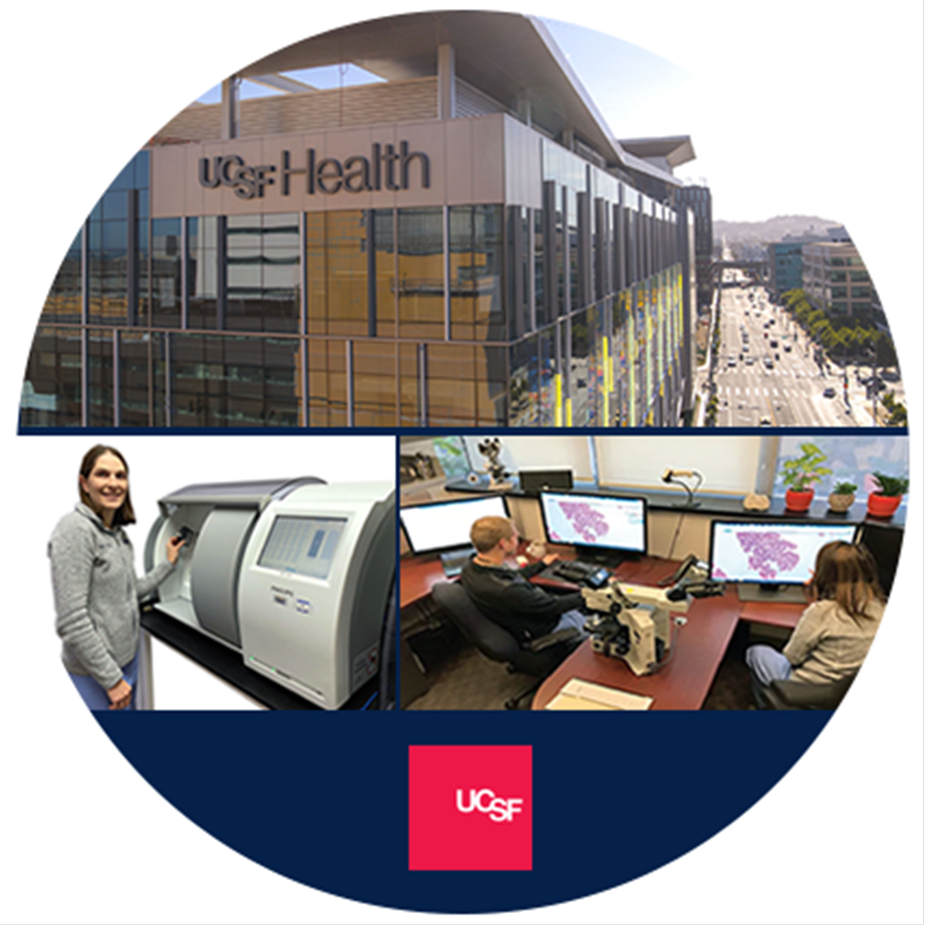
Join us for an exclusive behind-the-scenes tour of UCSF’s innovative Digital Pathology facilities on October 29th. This 40-minute experience includes a guided department walk-through, live digital workflow demonstration, a technical Q&A with IT experts as well as a user experience Q&A with UCSF pathologists. Two tour slots are available at 9:00 am and 10:30 am – reserve your place when registering for the event now! Only limited spaces are available.
By Air
Gaylord Pacific Resort & Convention Center is conveniently located approximately 10 -15 minutes from San Diego International Airport (SAN).
From the airport, guests can reach the resort by taxi, rideshare, or rental car. Follow signs to I-5 South, then take CA-54 East and exit at Bay Boulevard, following local signage to the Chula Vista Bayfront area.
For more information on airport services, visit San Diego International Airport website.
By Public Transport
San Diego’s public transit system provides convenient access to the resort.
From San Diego International Airport, take the San Diego Flyer shuttle or local bus to Santa Fe Depot, then transfer to the San Diego Trolley Blue Line heading toward San Ysidro.
Disembark at H Street Station. From there, the resort is a short taxi, rideshare, or approximately 15–20 minute walk along the bayfront.
Plan your trip using Metropolitan Transit System website or mobile app for real-time schedules.
By Bus
Several MTS bus routes serve the Chula Vista Bayfront area with stops near H Street and Bay Boulevard. From nearby bus stops, the resort is a short walk or rideshare trip.
Check the MTS website for the most up-to-date bus routes and schedules.
By Rail
Guests arriving via Amtrak or COASTER should disembark at Santa Fe Depot in downtown San Diego. From Santa Fe Depot, transfer to the Blue Line Trolley toward San Ysidro and exit at H Street Station.
From the station, continue by foot, taxi, or rideshare to the Gaylord Pacific Resort & Convention Center.
Be sure to review Amtrak and MTS schedules in advance to ensure a smooth journey.
By Car
Gaylord Pacific Resort & Convention Center is located along the Chula Vista Bayfront. For the most efficient route, we recommend using GPS or a navigation app for real-time directions and traffic updates.
When traveling during peak commute hours, allow additional time, as traffic can be heavier on I-5 and surrounding highways.
Tip: Check live traffic conditions before departure to help avoid delays.
Parking
On-site parking is available for resort and convention guests, including self-parking and valet options. Parking rates and availability may vary.
For the most current parking information, please visit the Gaylord Pacific Resort & Convention Center website prior to arrival.
We are closely monitoring the official guidance from health authorities, local governments, and the World Health Organization in order to support the health and well-being of our global community. The health and safety of our staff, customers and clients remains our number one priority.
As we continue to move forward with hosting our events in-person in 2026, we’ve added a series of Health & Safety guidelines and precautions in order to prepare for event safety. We carry out risk assessments for all our events to evaluate fundamental considerations and how to cover multiple risk scenarios.
Oxford Global has learned that third-party companies (recently EHotel Services, Business Travel Management/btravelmanagement and Exhibitors Hotel Reservations Services) are targeting conference attendees with a fraudulent hotel booking scheme.
Please note that none of these third-party companies are associated with Oxford Global in any way, nor have Oxford Global authorised them to use their names or trademarks on information they send out to attendees.
If you are contacted by a third-party company by phone or email using Oxford Global’s name or the name of Biomarkers, CDx & Precision Medicine US 2026 and offering accommodation services, we urge exhibitors and attendees to proceed with extreme caution before signing anything sent by these companies or entering into any conversation or replying to any emails sent from these third-party companies.


Unlock the Latest News and Insights
Sign-up for our regular LifeScienceXchange newsletter to keep up to date with all things Precision Medicine, direct to your inbox.