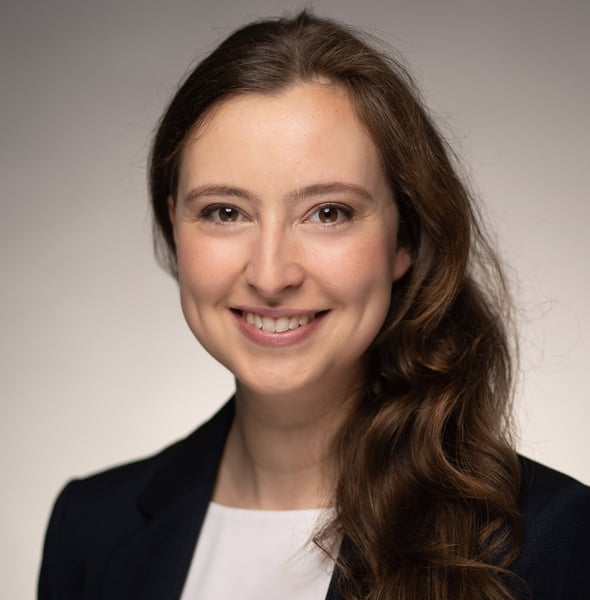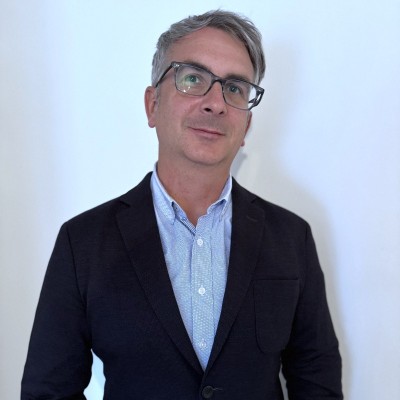

WINNERS
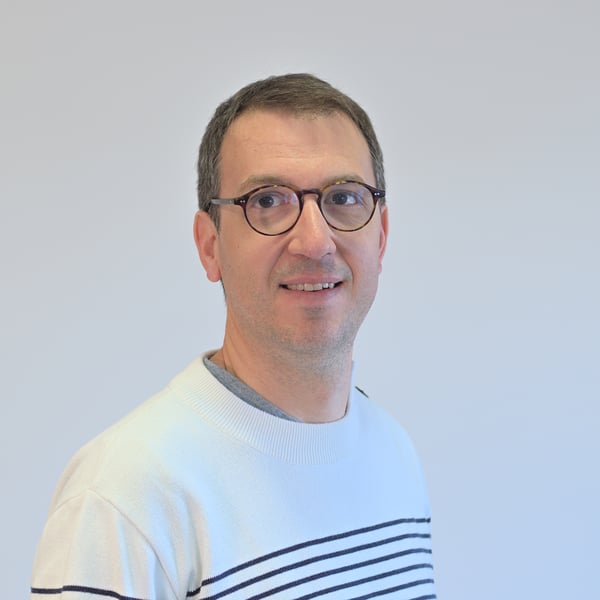
AI Innovation of the Year
Nexomic
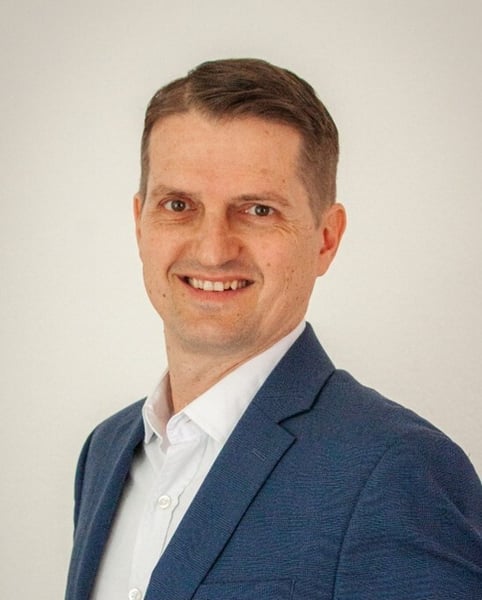
AI Innovation of the Year
Nexomic
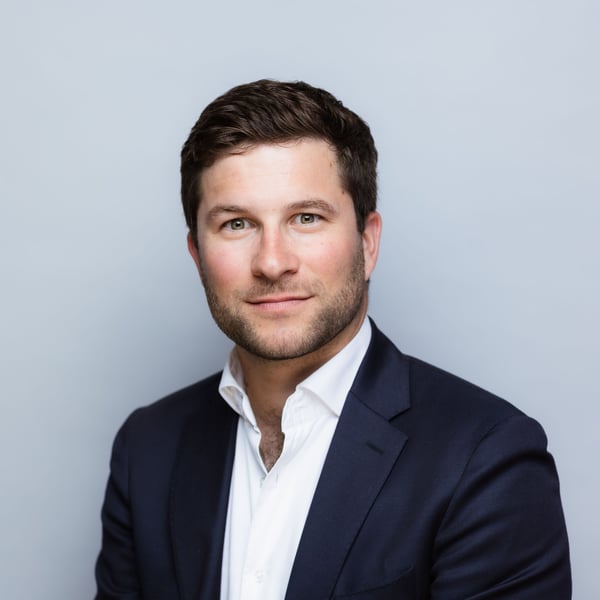
AI Innovation of the Year
Nexomic
AI Innovation of the Year
Nexomic
AI Innovation of the Year
Nexomic
AI Innovation of the Year
Nexomic
AI Innovation of the Year
Nexomic
AI Innovation of the Year
Nexomic
AI Innovation of the Year
Nexomic
AI Innovation of the Year
Nexomic
AI Innovation of the Year
Nexomic
AI Innovation of the Year
Nexomic
Explore the Biomarkers, CDx & Precision Medicine Programme
Twenty-One Years
Biomarkers, CDx & Precision Medicine Europe has spent twenty-one years convening the people defining the field in Europe. The 2026 edition is the most integrated yet.
Two co-located events. Four programmes. Seventeen content tracks. A regulatory line-up shaped around IVDR, the EU-specific regulatory framework reshaping biomarker and CDx development right now. A speaker roster of 110+ confirmed across senior pharma, regulatory, computational pathology, and academic leadership.
We asked key opinion leaders which breakthroughs will shape the future of precision medicine. The answer? A shift beyond genomics to multi-omics—integrating proteomics, metabolomics, and spatial biology to decode disease at every level. AI is transforming immunohistochemistry, sharpening biomarker design and pathology analysis. Multi-modal data and multiplexing are exposing hidden cancer circuitry, driving smarter target discovery. As AI-driven innovations navigate IVDR regulations, precision medicine is moving from promise to reality, bringing sharper diagnostics, better therapies, and truly individualized care.
An unmissable journey awaits you: From celebrated keynote speakers and insightful fireside chats, to the brand new Awards Dinner. Discover the moments that will transform your Biomarkers & Precision Medicine experience.
.png?width=378&height=125&name=Precision%20Medicine%20Awards%20Logo%20(Light).png)
The 2nd Annual Precision Medicine Awards celebrate excellence across the personalised medicine ecosystem, spotlighting the trailblazers driving progress in biomarkers, diagnostics, omics, and patient-centric care.
Key Event Highlights
An unmissable journey awaits you: from a high-energy AI & Data Zone to celebrated keynote speakers. Discover the moments that will transform your Biomarkers, CDx & Precision Medicine experience.

Make Every Session Count
Don't Just Attend. Experience Everything.
With multiple tracks covering the ideas and innovations defining the industry, there's more happening than ever before. Dig into the full agenda and build the conference experience that's right for you.
Building an omics, biomarker, AI pathology or precision diagnostics company? The Start-Up Zone gives early-stage teams a stage in front of the same 1,000+ senior pharma, biotech, academic and healthcare audience the Diamond and Platinum sponsors are paying to reach.
Criteria:
The Start-Up Zone is designed for therapeutic start-ups, academic spin-outs, and early-stage technology/service providers.
To be eligible for inclusion, you must meet the following criteria:
• 0 – 5 years operating
• 0 – 30 employees
• Pre-Series A funding
Successful applicants will receive as part of their package:
• 2 full conference passes
• 10-minute pitch on the Start-Up Stage
• 1x1m space in Start-Up Zone: cocktail table provided, start-up to bring 1x pull-up banner
• Logo featured on website & event platform as a participating start-up
• Ability to arrange 1:1 meetings via to the congress app

Building an omics, biomarker, AI pathology or precision diagnostics company? The Start-Up Zone gives early-stage teams a stage in front of the same 1,000+ senior pharma, biotech, academic and healthcare audience the Diamond and Platinum sponsors are paying to reach.
Criteria:
The Start-Up Zone is designed for therapeutic start-ups, academic spin-outs, and early-stage technology/service providers.
To be eligible for inclusion, you must meet the following criteria:
• 0 – 5 years operating
• 0 – 30 employees
• Pre-Series A funding
Successful applicants will receive as part of their package:
• 2 full conference passes
• 10-minute pitch on the Start-Up Stage
• 1x1m space in Start-Up Zone: cocktail table provided, start-up to bring 1x pull-up banner
• Logo featured on website & event platform as a participating start-up
• Ability to arrange 1:1 meetings via to the congress app

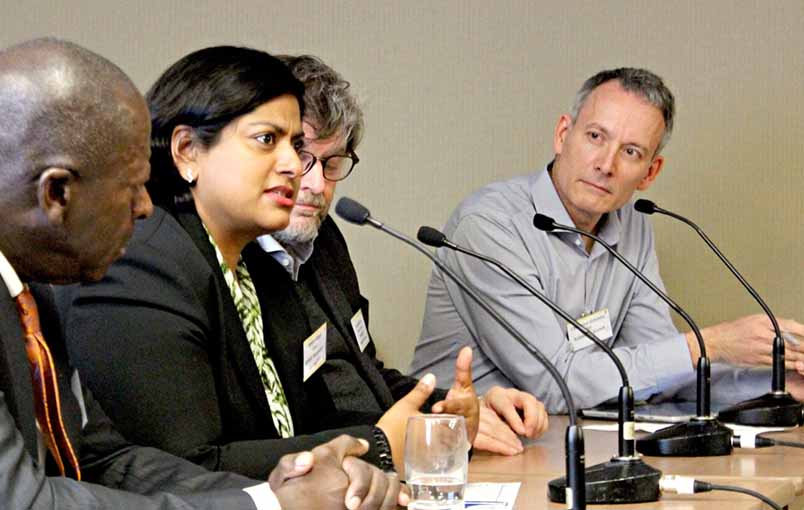
Have a peek into the dynamic panels, engaging roundtables, and hands-on workshops happening in Boston - right now!
Spatial Multi-Omics For Target-To-Disease Linkage In Inflammatory Diseases
MARINA BLECK, Principal Scientist, Boehringer Ingelheim
Marina discussed the use of multi omics for faster Faster Target-to- Disease Link (T2DL) with increased confidence and how they can leverage Spatial Biology to enhance the ability to derive insight from human disease tissues. Finally the Importance of FFPE Tissue Quality for Spatial Biology was discussed with the use of QC scoring to determine which FFPE tissue gives the best spatial transcriptomics results.
Spatial Biology As A Discovery Pathway
EMRE ARSLAN, Takeda
Emre Arslan from Takeda gave a talk about the use of Spatial Biology as a discovery pathway. First of all providing an update on the current landscape for spatial technologies then analysing how spatial technologies can be used in clinical trial design - such as the ability to identify previously unknown cell types, interactions and microenvironments and providing an ideal foundation for training better AI models.
JASMINE PLUMMER, Director, St Jude Children's Research Hosptial
Jasmine Plummer's day 2 keynote focused on Single cell into spatial and beyond. "The reason we are in this room is because it’s cutting edge" which is why the single cell and spatial field growing exponentially.
Future directions for the technology include Low throughput, clinical trials, other organisms, more tissue types, epigenomics
JUN WANG, Associate Professor, Multiplex Biotechnology Laboratory, Department of Biomedical Engineering, Stony Brook University
"Simpler but more powerful than flow and imaging cytometry"
MIST Technology provides100 times more information than flow cytometry and currently the highest multiplexity is up to 500 markers/ cell.
Panel Application Of Single Cell Omics In Clinical Monitoring
PRIYA CHOCKALINGAM, Vice President, Head of Clinical BioAnalytics & Translational Sciences, Beam Therapeutics
Priya's talk focused on Genome Editing Technologies for Gene & Cell Therapy and how cell & gene therapies require a specialized regulatory approach compared to other modalities. Appropriate assessments should therefore be put in place in both nonclinical and clinical stages to address safety concerns.
Various methods to assess off-target editing effects have evolved in the last decade. However, limitations remain in balancing accuracy vs sensitivity of these new techniques.
The direct assessment of off-target effects in vivo and in patients is particularly challenging.
Novel single-cell technologies enable quantitation/co-occurrence of on-/off-target editing through patient time-course of treatment
Comparative Insights In Single Cell RNA-seq & Advances In Large-Scale Multimodal Profiling
ZORA MODRUSAN, Senior Director NGS, Genentech
Zora focused on both key insights and future directions of single cell RNA-Seq. scRNA-seq technologies were evaluated and the differences in performance across various metrics such as sensitivity, throughput and cost were compared across different systems.
The Overloading And unpacKing (OAK) method provides a reliable solution for large-scale molecular profiling that incorporates multiple data modalities.
Moving forward they will continue to evaluate the latest scRNA-seq kits to understand differences and guide optimal performance. Zora would also like to enhance OAK's capabilities by integrating additional modalities and applying the platform to a wide range of biological systems.
Our Sponsors for Biomarkers, CDx & Precision Medicine 2026
Diamond Sponsor

Platinum Sponsors
Silver Sponsors

Bronze Sponsors

Network & Programme Sponsors
Training Partner

Powering Go-To-Market For Life Science Teams
Succession helps founders and sales teams close more deals with biotech and pharma. We partner with our clients to run modern lead generation campaigns, up-skill their team through personalized sales training, and build AI workflows using cutting edge tools and technology.
Interested in Sponsoring Biomarkers, CDx & Precision Medicine 2026?
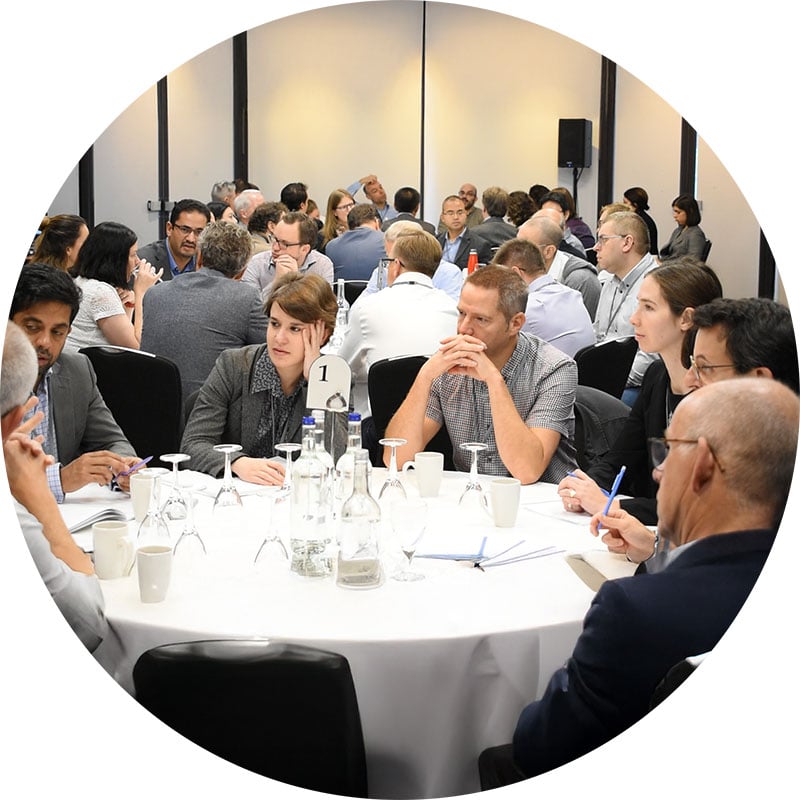
Interdisciplinary learning and knowledge share is key to driving Precision Medicine. Our Collaboration Hub sessions will provide a platform to enable experts and innovators from diverse complimentary fields to foster collaboration, hear fresh perspectives, encourage innovation, break down silos and address specific challenges within the field.
Each invitation only focused session will last 50 mins and house a maximum of 15 diverse specialists alongside a high-level moderator to facilitate discussion.
Moderated by:
Discussion Points: How to maximize the benefit of AI in precision medicine and explore challenges around managing risk, ethical considerations, regulatory compliance and integrating into existing systems
Invited Specialists: AI specialists, data scientists, clinicians, regulatory officials, bioethicists, IT infrastructure experts
Moderated by:
Discussion Points: Identifying the barriers to translating research findings into clinical practice and exploring strategies to improve collaboration and align academic research with clinical needs, regulatory requirements and healthcare systems
Invited Specialists: Academic researchers, clinicians, healthcare administrators, technology/ knowledge transfer, regulatory officials, translational medicine experts.Discussion Points: Identifying the best course to integrate proteomic technology into clinical trials and validation efforts. Using proteomics as a tool to maximise translational research
Invited Specialists: Technology developers, academic researchers, clinicians, healthcare administrators, technology/ knowledge transfer, regulatory officials, translational medicine experts
Moderated by:
Discussion Points: Designing and sustain multi-centre networks that support, spatial biology, single cell, genomic data & precision medicine programmes; practical approaches to harmonising workflows across sites and sharing multi-modal data (omics, imaging and clinical) to generate robust, generalisable evidence
Invited Specialists: Consortium directors, academic PIs, pharma translational leads, lab and biobank directors, bioinformaticians/data architects, digital pathology and spatial biology leads, hospital IT/informatics representatives

Unlock the Latest News and Insights
Sign-up for our regular LifeScienceXchange newsletter to keep up to date with all things Precision Medicine, direct to your inbox.

Unlock the Latest News and Insights
Sign-up for our regular LifeScienceXchange newsletter to keep up to date with all things Precision Medicine, direct to your inbox.
By Rail
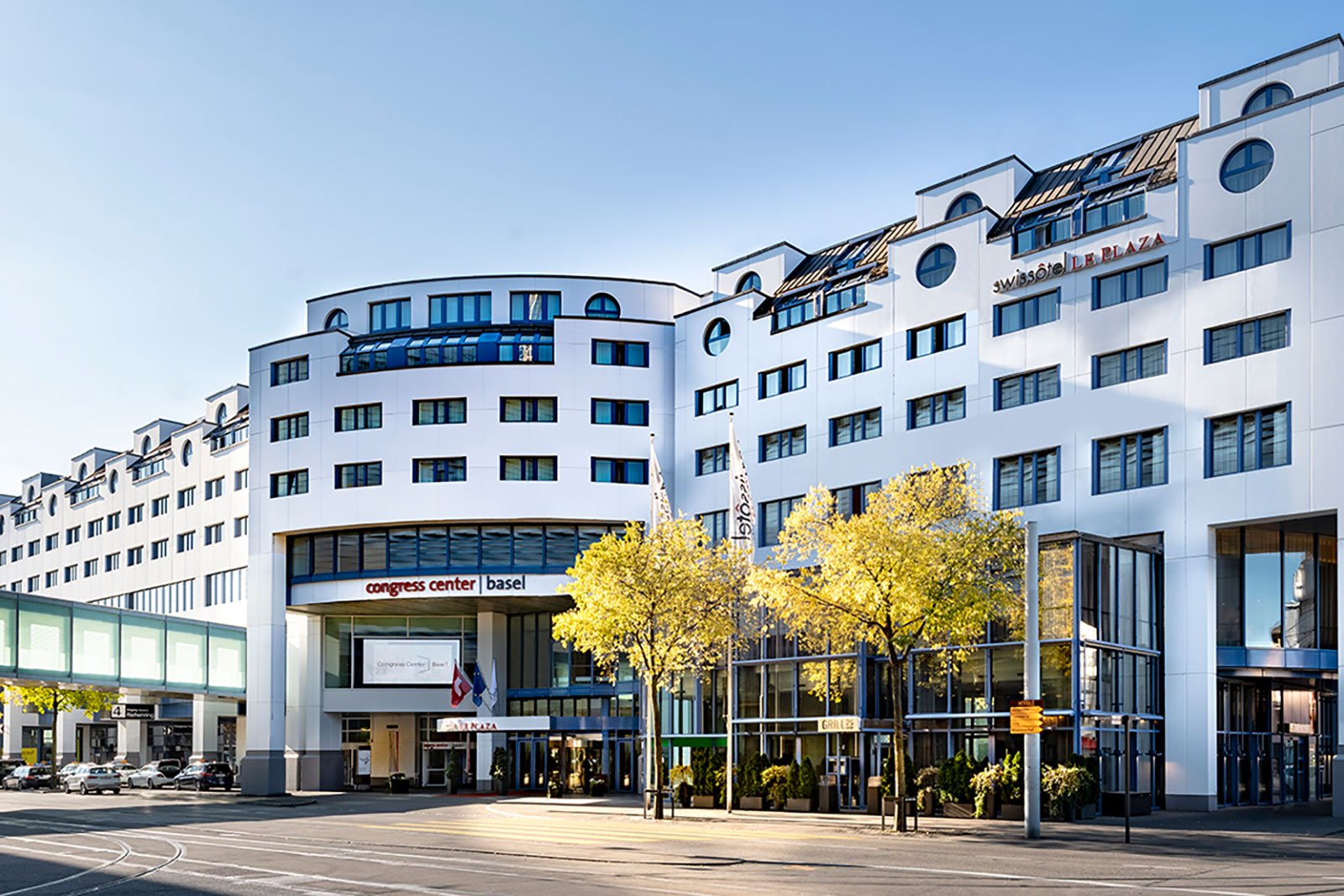
Basel is an international rail hub with direct ICE, IC and EC connections to Germany, Austria, Italy, France and the Benelux countries. Messe Basel can be reached in five to ten minutes from the three railway stations in Basel: SBB (Switzerland), SNCF (France) (Frankreich) and DB (Badischer Bahnhof, Germany)
By Tram
From the SBB/SNCF railway station, it’s a ten-minute journey on the No. 1 or 2 Tram to the “Messeplatz/Exhibition Square” stop where Messe Basel and the Congress Center are located. From Badischer Bahnhof railway station, “Messeplatz/Exhibition Square” is the second stop on the No. 2 or 6 tram.
By Air
EuroAirport Basel-Mulhouse-Freiburg is 15 minutes by car from Messe Basel. Basel municipal transport’s No. 50 bus additionally provides a straightforward connection from the airport to the SBB/SNCF railway station. From there, tram No. 1 or 2 will take you directly to Messeplatz/Exhibition Square. From Zurich Airport a direct rail connection will bring you to the SBB/SNCF railway station in Basel in less than an hour. For further information including a map and full directions, please visit: https://www.messe-basel.com/en/about-us/getting-to-messe-basel/
By Car
Basel is located at the point where the Swiss, German and French motorway networks all meet. The exhibition and congress site has its own direct link to the A2 motorway. The “Messe” exit will take you straight to the Messe Basel car park with its 1,200 parking spaces.
We are closely monitoring the official guidance from health authorities, local governments, and the World Health Organization in order to support the health and well-being of our global community. The health and safety of our staff, customers and clients remains our number one priority.
As we continue to move forward with hosting our events in-person in 2026, we’ve added a series of Health & Safety guidelines and precautions in order to prepare for event safety. We carry out risk assessments for all our events to evaluate fundamental considerations and how to cover multiple risk scenarios.
Oxford Global has learned that third-party companies (recently EHotel Services, Business Travel Management/btravelmanagement and Exhibitors Hotel Reservations Services) are targeting conference attendees with a fraudulent hotel booking scheme.
Please note that none of these third-party companies are associated with Oxford Global in any way, nor have Oxford Global authorised them to use their names or trademarks on information they send out to attendees.
If you are contacted by a third-party company by phone or email using Oxford Global’s name or the name of Biomarkers, CDx & Precision Medicine 2026 and offering accommodation services, we urge exhibitors and attendees to proceed with extreme caution before signing anything sent by these companies or entering into any conversation or replying to any emails sent from these third-party companies.

.png?width=400&height=105&name=BIOMCDxPREMED%20LOGO%20(Light%20Contrast).png)