




Innovative Contamination Control in Cell Therapy: Enabling Integrity and Efficiency
Effective contamination control is essential for maintaining the integrity and quality of cell therapy manufacturing. This presentation will discuss the use of upstream solutions such as automated closed systems for isolation and activation, and larger bioprocess containers. It will also cover the application of analytical assays for sterility testing, mycoplasma detection, and environmental monitoring. These measures aim to reduce contamination and improve overall operational effectiveness. An integrated approach combining these solutions can enhance contamination control, boost process efficiency, and ensure the production of high-quality cell therapy products.
Learning Objectives:
- Learn about the role of automated closed systems and large bioprocess containers in preserving the integrity of cell therapy products.
- Discover the benefits of rapid analytical assays for reliable and accurate contamination detection.
- Consider how an integrated approach can enhance overall process efficiency and ensure high-quality outcomes.
Speaker Biographies
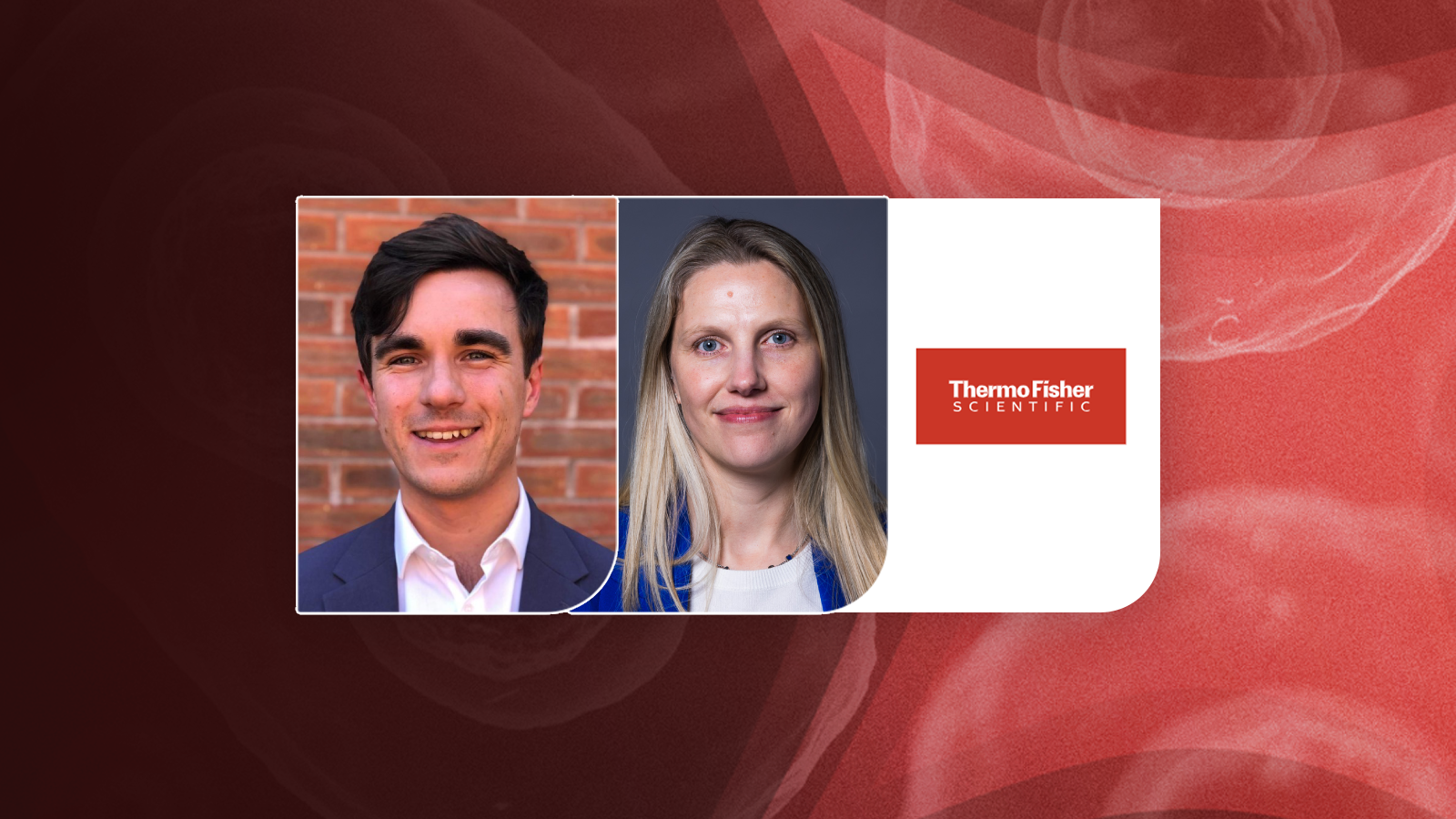
George Prout, Senior Field Application Scientist at Thermo Fisher Scientific covering Cell Culture and Cell Therapy.
His role involves technical support with customers wanting to drive higher output of their systems and actively looks for collaborations with fellow scientists in disciplines such as protein production, plasmid production, vaccines, cultured meat, microbial processes, gene therapy and cell therapy from research, to process development and scale-up. George has 8 years of experience in Gene Therapy prior to joining Thermo Fisher Scientific, with a focus on manufacturing, process development and project management.
Suzy Brown, Senior Field Application Scientist for Pharma Analytics at Thermo Fisher Scientific.
With nine years at Thermo Fisher, she leads training and implementation for the Pharma Analytics portfolio and serves as the MycoSEQ subject matter expert for the EMEA region. Suzy holds a PhD in Developmental Biology and a Bachelor’s degree in Cell Biology from the University of Manchester, where she used molecular, proteomic and next-generation sequencing approaches to identify genes involved in pattern formation using Dictyostelium discoideum. Before joining Thermo Fisher, she worked in the biopharmaceutical industry as an Analytical Development Scientist at Allergan Biologics, gaining hands-on expertise in qPCR, Sanger sequencing and impurity testing.
Related Events
For more on this topic, you may be interested in our upcoming NextGen Biomed 2026Catch up on other NextGen Biomed resources on our Resources page